

 Travel Essentials
 Travel Essentials

Explore Belgium's premier national parks: Hoge Kempen's heathlands, High Fens' bogs, Zwin's bird haven, and emerging parks like Bosland and Scheldevallei offer diverse ecosystems and adventures.
 Travel Essentials
Belgium, often celebrated for its historic cities and culinary delights, harbors a surprisingly wild side through its expanding network of national parks and nature reserves. These protected areas showcase diverse ecosystems, from elevated peat bogs and expansive heathlands to coastal wetlands and river valleys. As of 2025, Belgium boasts six official national parks, with recent additions in both Flanders and Wallonia enhancing conservation efforts and outdoor recreation opportunities. This guide delves into the standout destinations, highlighting their unique features, wildlife, and visitor experiences to inspire your next nature adventure.
Belgium’s national parks system has evolved rapidly. The inaugural park, Hoge Kempen, opened in 2006 in Limburg province, marking Flanders’ first major protected area. Wallonia followed with designations in 2022, while 2023 saw three new parks in Flanders: Bosland, Brabantse Wouden, and Scheldevallei. These sites, spanning forests, marshes, and rivers, protect over 7000 species in some cases and offer hundreds of kilometers of trails. Despite the country’s small size, these parks provide accessible gateways to unspoiled nature, often within an hour’s drive from Brussels or Antwerp.
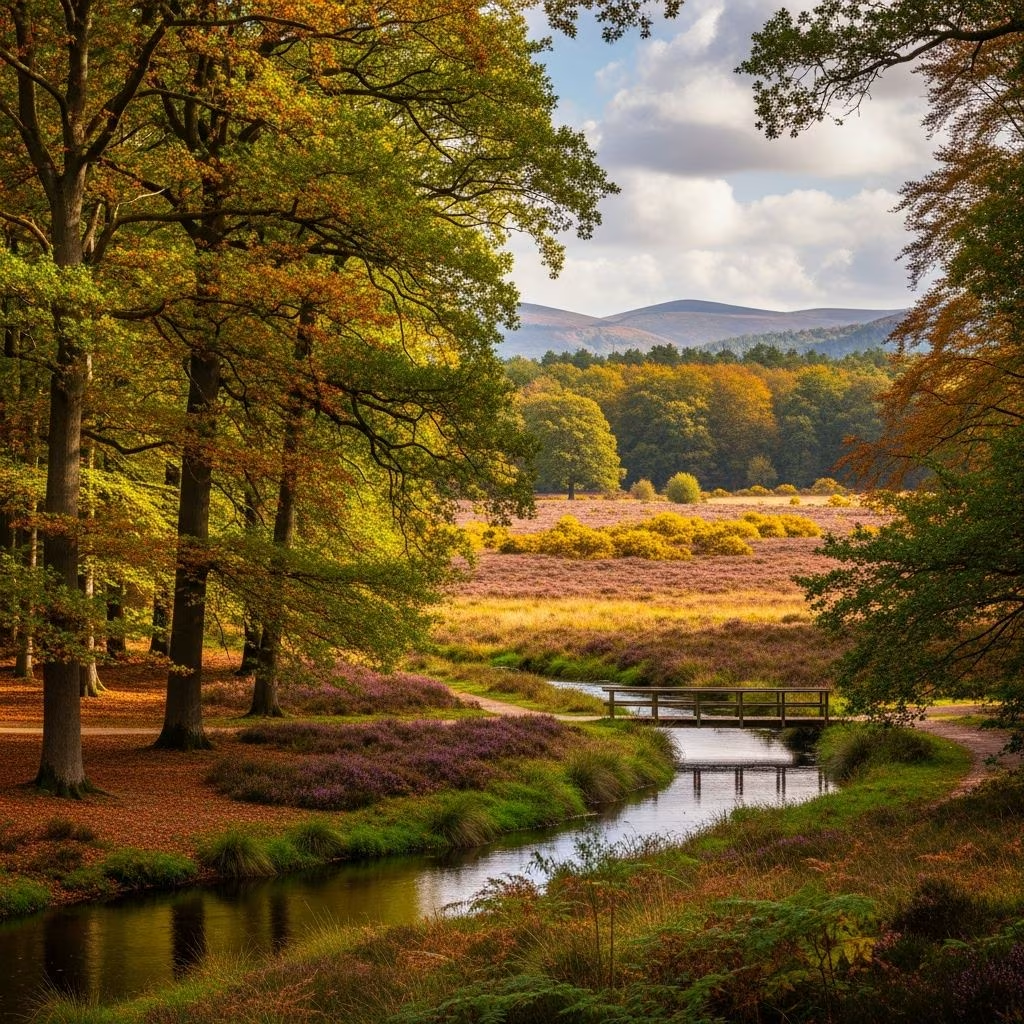
Encompassing 12,000 hectares across six municipalities in Limburg, **Hoge Kempen National Park** stands as Belgium’s largest and oldest national park. This mosaic of purple heathlands, pine forests, sparkling lakes, and sandy patches creates a picturesque backdrop for immersion in nature. Though flat like much of Belgium, its golden-lit landscapes and fresh pine scents captivate hikers.
The park hosts exceptional biodiversity, with over 7000 plant and animal species, including rare orchids, butterflies, and the elusive European nightjar bird. Over 80 signposted trails total 220 km, ranging from easy lakeside strolls to challenging forest loops. Visitors can explore via bike paths or guided tours that reveal hidden marshes.
In Wallonia’s Ardennes, the **Parc Naturel Hautes Fagnes** (High Fens) forms part of a cross-border nature park with Germany, covering 72,000 hectares across 12 municipalities. Home to Belgium’s highest peak, Signal de Botrange at 694 meters, this elevated plateau features rare peat bogs teeming with carnivorous sundews and star-shaped bog asphodel flowers.
Since 1971, the reserve has safeguarded unique alpine-like flora amid misty valleys. Trails like the Circuit des Tourbières (8 km) wind through boardwalks over fragile wetlands, offering glimpses of roe deer and black grouse. Winter transforms it into a cross-country skiing haven.
| Feature | Details |
|---|---|
| Size | 72,000 ha (Belgium side) |
| Highest Point | Signal de Botrange (694m) |
| Unique Flora | Sundew, bog asphodel |
| Trail Length | Multiple loops up to 15 km |
On the Dutch border in West Flanders, the **Zwin Nature Reserve** spans 150 hectares of mudflats, salt marshes, and scrub, earning its nickname as Europe’s “international bird airport”. Established in 1952 as Flanders’ first protected site, it attracts over 350 bird species, from spoonbills to avocets.
Seasonal migrations peak in spring and autumn, with observation towers providing prime views. A 6 km dike trail connects to the Netherlands, blending sea breezes with dune wildflowers. The visitor center offers interactive exhibits on tidal ecosystems.
Designated in 2023, **Bosland National Park** claims the title of Flanders’ largest forested expanse at 6,500 hectares across Hechtel-Eksel, Lommel, and Pelt. Towering pines and oak woodlands shelter red squirrels, deer, and woodpeckers amid cycling routes and adventure playgrounds.
With 300 km of paths, it’s a cyclist’s paradise, including the 100-km Boslandpad loop. Themed routes explore fairy tales or geology, making it ideal for families.
Stretching from Ghent to Antwerp, **Scheldevallei National Park** (2023) protects 2023 km² of floodplains, marshes, and the Scheldt River’s tidal zones. This dynamic landscape supports otters, beavers, and wading birds in willow groves and wet grasslands.
Kayaking and canoeing reveal hidden creeks, while elevated paths offer flood-prone vistas. It’s a vital corridor for migratory fish and amphibians.
Established in 2022, **Parc National de la Vallée de la Semois** winds through steep valleys and ancient forests in the Ardennes. Kayaking the meandering river, hiking to viewpoints like Rocroi, and spotting kingfishers define visits here.
Also from 2022, this park safeguards limestone cliffs, orchards, and the Sambre-Meuse confluence. Rock climbing, fossil hunting, and village trails blend nature with cultural heritage.
Flanders’ 2023 addition, **Brabantse Wouden National Park** features rolling woodlands and meadows near Brussels, perfect for day trips with diverse trails.
Belgium’s parks are free to enter, with most facilities (visitor centers, restrooms) operational year-round. Public transport serves Hoge Kempen and Zwin well; cars are best for remote Ardennes sites. Pack layers for variable weather, insect repellent for bogs, and binoculars for wildlife. Sustainable practices like staying on paths protect these fragile habitats.
| Park | Region | Size (ha) | Key Attraction |
|---|---|---|---|
| Hoge Kempen | Flanders | 12,000 | Heathlands & trails |
| High Fens | Wallonia | 72,000 | Peat bogs & peak |
| Zwin | Flanders | 150 | Birdwatching |
| Bosland | Flanders | 6,500 | Forests & cycling |
| Scheldevallei | Flanders | ~2,000 | Tidal wetlands |
Hoge Kempen National Park, at 12,000 hectares, holds this distinction as Flanders’ expansive heathland reserve.
Six as of 2025: Hoge Kempen (2006), plus five newer ones from 2022-2023 in Wallonia and Flanders.
Yes, entry is generally free, though some activities like guided tours may have fees.
Zwin Nature Reserve, with over 350 species in its coastal wetlands.
Camping is limited; check official sites for designated areas, especially in Hoge Kempen and Bosland.
