

 Travel Essentials
 Travel Essentials

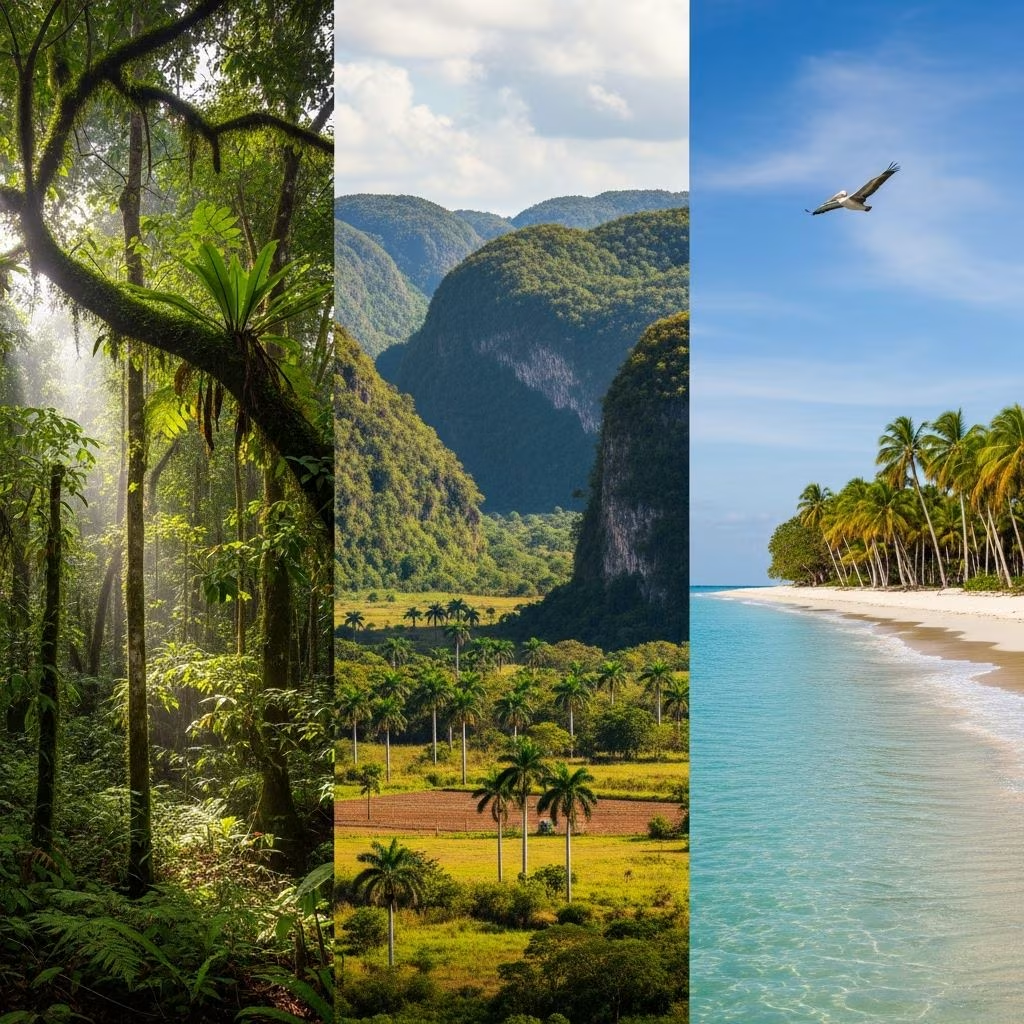
Explore the best national parks in Cuba, featuring unique ecosystems, wildlife hotspots, and adventure opportunities across the island's diverse landscapes.
 Travel Essentials
Cuba boasts a remarkable collection of national parks that showcase the island’s extraordinary natural diversity, from towering mountains and lush valleys to expansive wetlands and pristine marine environments. These protected areas, many designated as UNESCO World Heritage Sites or Biosphere Reserves, offer unparalleled opportunities for hiking, birdwatching, diving, and wildlife observation. Spanning over 6,000 square kilometers, Cuba’s national parks protect endemic species, unique geological formations, and rich cultural histories intertwined with the landscape.
These parks represent the pinnacle of Cuba’s commitment to conservation, safeguarding habitats for rare flora and fauna amid the Caribbean’s most biodiverse regions. Visitors can expect uncrowded trails, crystal-clear waters, and encounters with species like the Cuban trogon and solenodon. Accessibility varies, with some parks reachable by guided tours from Havana or Santiago de Cuba, while others require permits and local expertise. Sustainable tourism practices are encouraged to preserve these gems for future generations.
In western Cuba’s Pinar del Río province, Viñales National Park captivates with its dramatic mogotes—towering limestone karst formations rising from fertile plains. This UNESCO World Heritage Site blends agriculture and nature, where traditional tobacco farming thrives alongside forested hills. Explore by horseback, hike through mogote caves, or cycle amid palm-dotted vistas. The park supports over 100 bird species and unique microclimates fostering orchids and ferns.
Stay in casas particulares within the valley for an authentic experience, immersing in local farm life while accessing park trails.
Southeast of Havana in Matanzas province, Ciénaga de Zapata National Park spans over 600,000 hectares, encompassing the vast Zapata Swamp—a UNESCO Biosphere Reserve and Ramsar wetland. This maze of mangroves, lagoons, and canals teems with over 170 bird species, including flamingos and the endemic Zapata rail. Pristine coastlines feature coral reefs ideal for diving near the historic Bay of Pigs.
Adventurers kayak through Las Salinas salt flats or snorkel amid tropical fish. The park’s size demands guided excursions to spot manatees, American crocodiles, and rare orchids.
| Feature | Details |
|---|---|
| Size | ~2,100 sq km |
| Bird Species | 175+ |
| Endangered Fauna | Crocodiles, manatees |
| Access | Boat tours from Playa Larga |
At Cuba’s northwestern tip, Guanahacabibes National Park covers 400 sq km of UNESCO Biosphere Reserve, featuring silica-sand beaches, lagoons, and coral reefs. Home to 172 bird species (11 endemic) and nesting grounds for four sea turtle species, it’s a diver’s paradise with healthy reefs and underwater caves. Hike the 19km Sendero María la Gorda trail or observe turtles at night.
Straddling Santiago de Cuba and Granma provinces, Turquino National Park—also known as Parque Nacional Sierra Maestra—encompasses Cuba’s highest peak, Pico Turquino (1,975m). Dense cloud forests, Cuban pine, and moist woodlands host the Cuban trogon and ferns. Historically significant as Fidel Castro’s revolutionary hideout, it offers multi-day treks to the summit via the Santo Domingo trailhead.
Permits are required; expect steep ascents through coffee plantations and revolutionary sites like La Plata Command Post.
In eastern Guantánamo and Holguín provinces, Alejandro de Humboldt National Park is Cuba’s most biodiverse, a UNESCO World Heritage Site within the Cuchillas del Toa Biosphere Reserve. Its complex geology—rivers, mountains, and rainforests—shelters 70% of Cuba’s endemic plants and animals, including the world’s smallest frog. Trails like Balcón de Iberia wind through untouched forests near Baracoa.
Guided hikes reveal waterfalls and prehistoric petroglyphs; marine areas protect reefs and canyons.
Named for the yacht that brought Castro’s revolutionaries in 1956, this Granma province park features karst cliffs, caves, and rock terraces—a UNESCO site with high endemism. Valle del Río Honco showcases bizarre formations; biodiversity includes unique snails and ferns. Boat tours access coastal caves.
In Sancti Spíritus, this 175 sq km park in the Escambray Mountains protects rivers, canyons, and 37 waterfalls like Salto del Caburní. Spot the Cuban trogon amid coffee groves overlooking Trinidad.
South of Cienfuegos, this 2,170 sq km park of 600+ cayos offers world-class diving and fishing in protected waters, home to sharks, rays, and corals.
Off Villa Clara, these northern islets host 658 marine species for snorkeling in near-virgin reefs.
Cuba’s parks require preparation: obtain permits via Ecotur agency, hire local guides, and pack insect repellent, sturdy boots, and water. Public transport is limited; rent cars or join tours from Havana. Respect no-trace principles—many areas lack facilities.
| Park | Region | Top Activity | UNESCO Status |
|---|---|---|---|
| Viñales | West | Hiking/Cycling | World Heritage |
| Zapata | Central | Birding/Kayaking | Biosphere/Ramsar |
| Guanahacabibes | West | Diving/Turtles | Biosphere |
| Turquino | East | Mountaineering | None |
| Humboldt | East | Forest Trails | World Heritage |
Cuba invests in park management through institutions like the National Center for Protected Areas, combating invasive species and climate impacts. Tourism funds protection, but hurricanes pose threats—post-2016 recovery highlighted resilience. Endemic species like the Cuban crocodile rely on these efforts.
Turquino offers the most challenging summit treks, while Viñales provides scenic valley walks.
Yes, especially for Turquino and Humboldt; arrange via Infotur or guides.
Dry season (Dec-Apr) in Zapata for migrations.
Prime spots: Guanahacabibes, Jardines de la Reina, Zapata reefs.
Limited; designated sites in Viñales and Turquino with guides.
