

 Travel Essentials
 Travel Essentials

Explore authentic experiences in Los Angeles and Orange County beyond mainstream attractions, from historic neighborhoods to world-class museums and local culinary treasures.
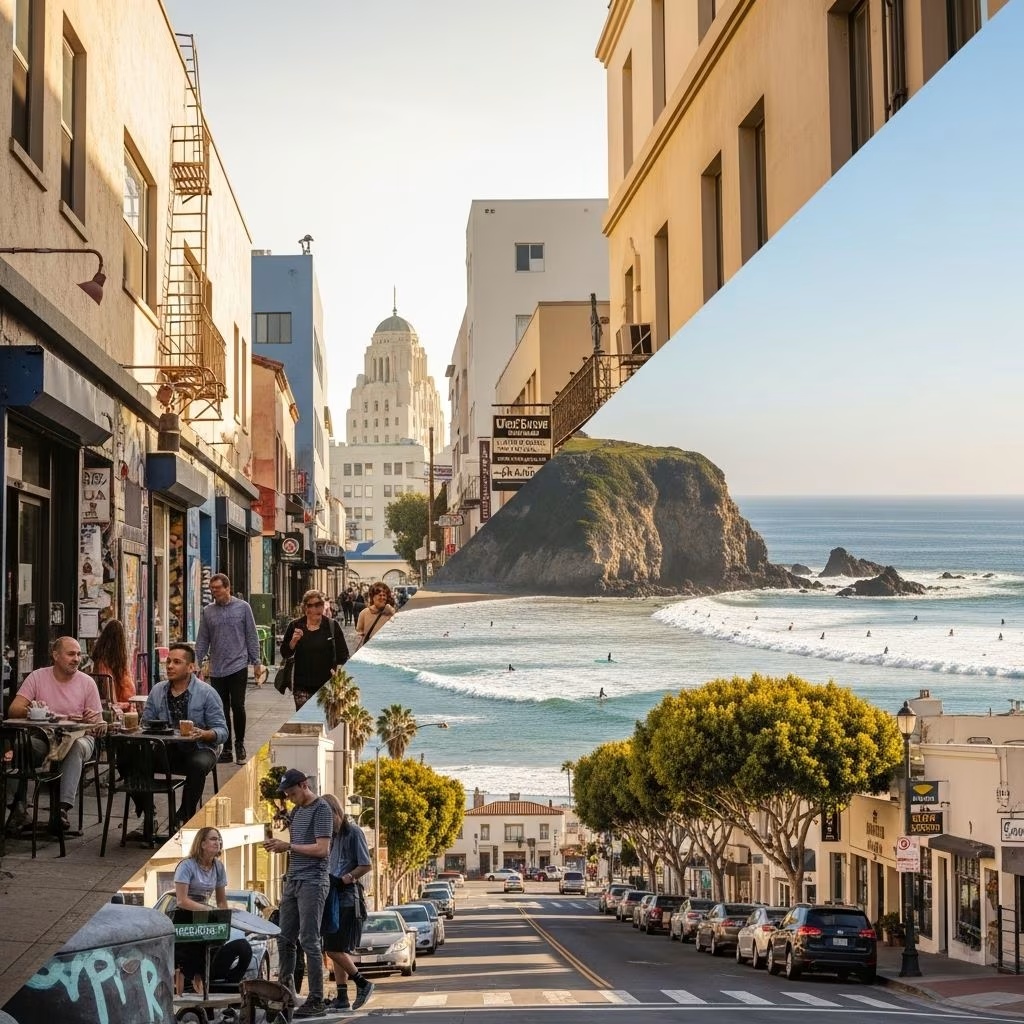 Travel Essentials
Southern California’s expansive metropolitan regions offer far more than their famous landmarks suggest. While tourists flock to predictable destinations, genuine travelers seek the neighborhoods, establishments, and cultural institutions that reveal a region’s true character. This comprehensive guide navigates through Greater Los Angeles and Orange County to uncover experiences that reflect the authentic spirit of these dynamic communities—places where architectural history meets contemporary creativity, where culinary traditions thrive in modest storefronts, and where art flourishes in unexpected settings.
Begin your journey in the western reaches of Los Angeles, where historic waterways and vibrant street culture converge. The morning presents an ideal opportunity to explore the Venice canals, a network of charming waterways that inspired the area’s original developers in the early twentieth century. These peaceful passages, lined with residential architecture ranging from modest cottages to contemporary homes, offer a serene contrast to the bustling boardwalk just blocks away.
The Venice Boardwalk itself rewards exploration by bicycle, revealing layers of street art that document the neighborhood’s cultural evolution. Murals and tags create an ever-changing gallery, with talented artists constantly contributing to this outdoor canvas. Rent a bike and dedicate several hours to leisurely pedaling along the coast and through adjacent neighborhoods.
Before concluding your first day, venture inland to Culver City, a historically significant entertainment district that developed as an alternative to Hollywood’s dominance. The Museum of Jurassic Technology represents the area’s commitment to unconventional cultural experiences. This institution defies conventional categorization, presenting eclectic exhibitions that challenge visitors’ assumptions about museum design and educational purpose. Whether you find the collections bewildering or enlightening, the experience itself becomes memorable. Evening accommodations should prioritize proximity to downtown, where early twentieth-century architecture provides both aesthetic interest and convenient access to subsequent days’ activities.
Downtown Los Angeles underwent significant revitalization in recent decades, transforming historic districts into vibrant cultural centers. Begin your exploration at the Bradbury Building, an architectural masterpiece from 1893 featuring an ornate interior courtyard with cast-iron railings, skylights, and vintage elevators. The building’s appearance in numerous films, including the science fiction classic *Blade Runner*, has introduced it to international audiences, yet locals still appreciate its original functionality.
Pershing Square, a historic plaza surrounded by distinctive mid-century skyscrapers, provides an excellent gathering point for observing urban life and considering the evolution of public spaces. The surrounding architectural styles document different eras of downtown development, from art deco to modernist design.
Transit via public bus or metro provides authentic local experience while traveling to Olvera Street, the historical epicenter of Los Angeles’ founding. This pedestrian corridor preserves the city’s Mexican heritage through architecture, restaurants, and cultural institutions. El Pueblo de Los Angeles and the Avila Adobe—the city’s oldest surviving structure—offer glimpses into nineteenth-century life and development patterns.
Legendary dining establishments dot downtown’s landscape. Philippe the Original, established in 1908, maintains its reputation for exceptional French dip sandwiches served in a no-frills setting that prioritizes quality over ambiance. The modest dining room, crowded with standing patrons during lunch hours, reflects generations of loyal customers.
The Last Bookstore occupies a sprawling downtown location, housing an impressive collection of used books and vinyl records within a surreal architectural space that defies typical bookstore conventions. Browsing here becomes an adventure as much as a shopping experience. Grand Central Market, renovated while maintaining its historic character, combines fresh produce vendors with contemporary food stalls, offering opportunities to sample regional ingredients and prepared dishes.
Conclude your evening at Clifton’s Republic, a recently restored establishment originally built during the Depression era. This ornate restaurant and cocktail bar embraces theatrical design, with multiple dining levels, elaborate décor, and meticulously crafted beverages. The overall aesthetic experience creates an evening you will remember distinctly.
The Griffith Observatory, perched in the hills overlooking downtown, provides panoramic city views alongside astronomical exhibits. Free admission during operating hours (typically Tuesday through Sunday) makes this an accessible experience for all budgets. The hike to the observatory offers cardiovascular benefits while revealing changing perspectives of the urban landscape below.
After descending from the observatory, redirect your attention to Los Feliz, a neighborhood development that emerged in the early twentieth century and maintains considerable artistic character. The Frank Lloyd Wright-designed Hollyhock House, now a UNESCO World Heritage Site, exemplifies the architect’s distinctive residential approach. Barnsdall Art Park, the larger property containing this house, hosts municipal galleries, theater productions, and educational programs, making it simultaneously an architectural landmark and active cultural venue.
Alternatively, venture toward Museum Row, an area concentrated with major cultural institutions. The Los Angeles County Museum of Art (LACMA), the largest art museum in the western United States, maintains collections spanning diverse cultures and historical periods. The institution’s famous street-level Urban Light installation provides an accessible art experience regardless of museum admission. The nearby La Brea Tar Pits preserve geological history through naturally occurring tar deposits that have captured and preserved fossils for tens of thousands of years, creating a unique scientific and educational resource within an urban setting.
Travel south to Exposition Park, a carefully planned green space containing multiple museums, sports facilities, and horticultural displays. The seven-acre rose garden provides serene settings among hundreds of cultivated varieties. Several major museums occupy the park grounds, including institutions focused on African American history, scientific education, and natural history.
The California Science Center attracts families and adult learners alike, presenting interactive exhibits exploring technology, space exploration, and environmental systems. Simultaneously operating in the same park, the California African American Museum documents and celebrates the contributions, experiences, and cultural expressions of African Americans throughout history.
Sports enthusiasts may time their visit to attend a Los Angeles Football Club match at BMO Stadium, experiencing contemporary soccer culture in an energetic stadium environment. Post-game or standalone dining at Roscoe’s Chicken and Waffles on Manchester Avenue provides quintessential soul food in a casual establishment beloved by local patrons.
The Watts Towers Arts Center represents a remarkable example of community-scale artistic achievement. Simon Rodia’s original spires—constructed from recycled materials over decades—stand as monuments to individual artistic vision. The expanded facility now includes galleries, performance spaces, and community programming, transforming the site into an active cultural center.
Modest neighborhood establishments like Clemen’s Kitchen, located within walking distance, serve traditional regional cuisine prepared with careful attention to ingredient quality and recipe authenticity. The Dominguez Rancho Adobe Museum, one of California’s oldest surviving structures, documents the region’s land grant and ranching heritage.
Transition your focus to Orange County’s coastal areas, beginning in Laguna Beach, a community that balances resort luxury with artistic sensibility. The Montage resort occupies thirty oceanfront acres, combining accommodation with dining, spa facilities, and beach access. The property’s artistic programming and curator-selected collections integrate cultural experiences throughout the guest experience.
The adjacent beach provides swimming, sunbathing, and water sports opportunities. Kayaking to Seal Rock allows close observation of protected marine mammals in their natural habitat. Thousand Steps Beach, slightly farther south, attracts skimboarding enthusiasts who practice this specialized board sport in shallow water.
| Day | Primary Region | Key Attractions | Recommended Meals |
|---|---|---|---|
| 1 | Western LA | Venice Canals, Boardwalk, Museum of Jurassic Technology | Peruvian ceviche in Downtown |
| 2 | Downtown LA | Bradbury Building, Olvera Street, El Pueblo | Philippe French Dip, Yang Chow |
| 3 | Hillside Communities | Griffith Observatory, Barnsdall Art Park, LACMA | Local Los Feliz cafes |
| 4 | South Central | Exposition Park, Watts Towers, museums | Roscoe’s Chicken and Waffles, Clemen’s Kitchen |
| 5+ | Orange County Coast | Laguna Beach, Montage resort, marine activities | Coastal dining experiences |
Downtown Los Angeles provides strategic positioning for accessing multiple neighborhoods during a seven-day visit. Historic hotels occupying repurposed architecture offer affordable options with character advantages over generic chain properties. Design-forward accommodations in renovated early twentieth-century structures provide both comfort and contextual experience.
Subsequent nights in Orange County coastal communities offer different experiences, positioning you for beach-focused activities and access to additional cultural institutions. Choose accommodation based on whether you prioritize walkability to specific attractions or prefer automobile-based transit patterns.
Public transit systems throughout Los Angeles and Orange County provide economical alternatives to automobile rental, though regional distances make car travel necessary for certain destinations. Metro bus and rail connections link downtown to various neighborhoods, reducing parking expenses and navigation challenges. Plan your route strategically to maximize transit efficiency while allowing adequate time for spontaneous discoveries.
Southern California’s temperate climate enables year-round exploration, though summer months bring increased tourism and higher accommodation prices. Spring and fall seasons offer comfortable weather with fewer crowds. Weekday visits to major attractions reduce congestion compared to weekend experiences. Museum operating hours vary seasonally, making advance verification essential for planning purposes.
Spring and fall provide excellent weather conditions with moderate tourist populations. Weekday visits to museums and attractions generally offer more comfortable experiences than weekend visits.
Downtown Los Angeles offers relatively walkable distances between attractions. Many museums provide accessibility accommodations. Certain neighborhood areas require more extensive walking and may present mobility challenges.
Popular restaurants benefit from advance reservations, particularly during peak dining hours. Many established institutions maintain first-come-first-served policies but expect occasional wait times.
Public transit systems connect major neighborhoods and attractions. Bicycle rentals provide alternative mobility, particularly for waterfront areas and neighborhoods with dedicated bike infrastructure.
Southern California’s genuine character emerges not from famous attractions but from neighborhoods, establishments, and institutions reflecting authentic community values and creative expression. This seven-day itinerary prioritizes those experiences, moving beyond mainstream tourism toward interactions with local culture, history, and artistic communities. The most memorable travel experiences often occur in unexpected places where commercial interests yield to authentic community character—exactly the type of journey this guide facilitates.
