

 Travel Essentials
 Travel Essentials

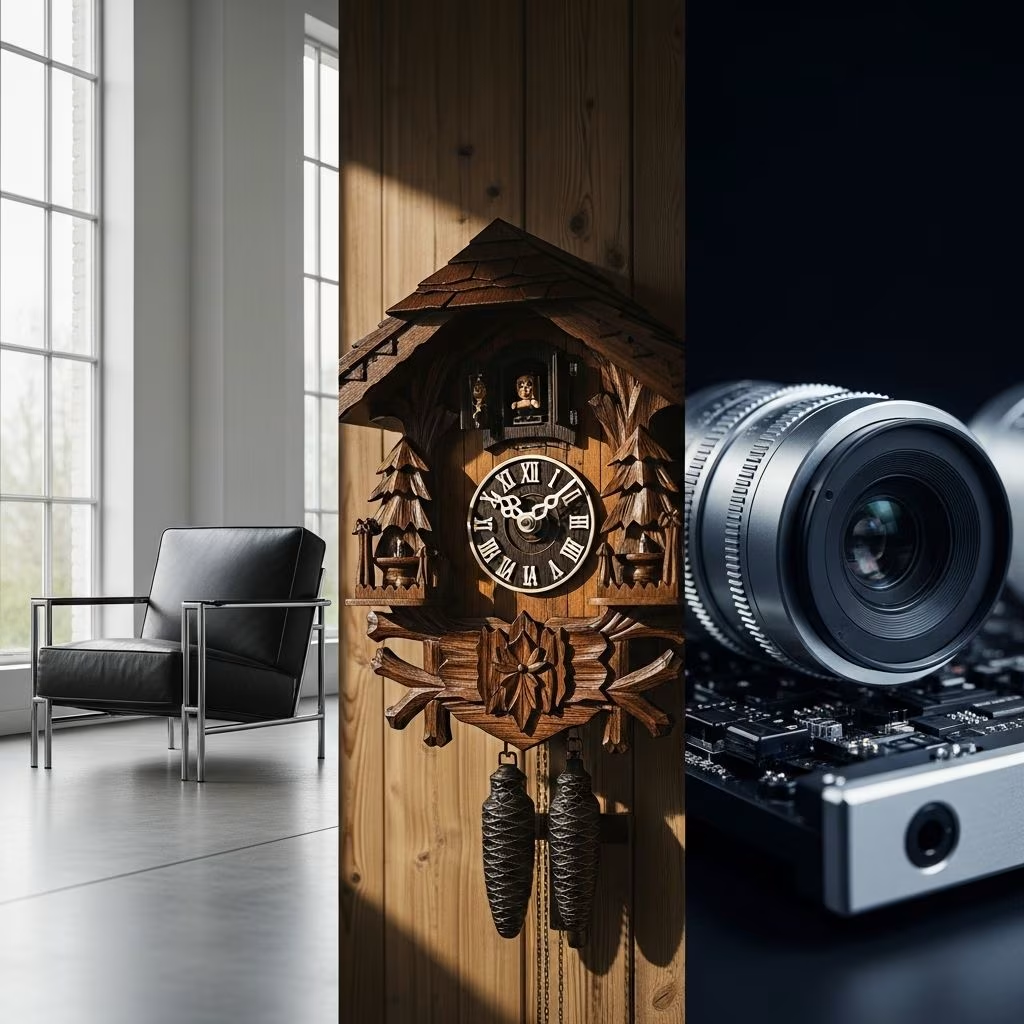
Discover Germany's design capitals on a week-long road trip, from Frankfurt's New Frankfurt School to Stuttgart's automotive museums and everything in between.
 Travel Essentials
Germany stands as one of Europe’s most significant repositories of design innovation and cultural achievement. From the revolutionary Bauhaus movement to contemporary automotive excellence, the nation has shaped how we think about aesthetics, functionality, and creative expression. A carefully planned road trip through Germany’s cultural centers offers travelers an immersive experience into the country’s artistic and architectural contributions to the world. This journey takes you through cities that have fundamentally influenced design thinking and continues to inspire creators globally.
Germany’s design landscape is geographically dispersed, with each region contributing distinct perspectives to the nation’s creative identity. The most rewarding approach involves traveling in a circular pattern, beginning in the west and progressing through the heart of the country before concluding in the south. This route maximizes cultural exposure while minimizing backtracking and optimizing travel efficiency. The journey spans approximately 800 kilometers and can be completed comfortably within seven days, allowing adequate time for exploration without rushing through significant destinations.
The circular itinerary connects five major cultural hubs, each representing different eras and movements within Germany’s design evolution. By following this path, visitors encounter the progression from early 20th-century modernism through contemporary design practices. The route also provides opportunities to experience smaller communities and lesser-known cultural sites that enrich the overall understanding of German creativity.
Frankfurt serves as the ideal starting point for this cultural expedition, offering both practical accessibility and significant artistic merit. The city functions as Germany’s primary international gateway, with numerous flight connections and excellent transportation infrastructure. More importantly, Frankfurt houses the Museum of Applied Arts, a comprehensive collection that establishes the foundation for understanding German design principles. This institution showcases how functional objects can achieve aesthetic excellence and how design serves practical human needs.
Beyond museum visits, Frankfurt’s urban landscape itself tells stories of design evolution. The city’s architecture reflects various periods, from medieval structures to contemporary additions. Exploring the Old Town district provides context for understanding how cities balance preservation with modernization—a theme that resonates throughout the journey ahead.
Notably, the Frankfurt Rhine-Main metropolitan region earned the designation of World Design Capital for 2026, underscoring the area’s contemporary relevance to global design discourse. This recognition reflects ongoing innovation and the region’s continued influence on creative industries.
A brief 30-minute train journey from Frankfurt transports visitors to Wiesbaden, a city that represents a different design epoch. This elegant destination showcases the Jugendstil movement, known internationally as Art Nouveau, which emerged during the late 19th and early 20th centuries. Unlike Frankfurt’s industrial design focus, Wiesbaden embodies the ornamental approach to creativity that characterized this influential period.
The city’s architecture demonstrates how Art Nouveau treated every element—from building facades to interior furnishings—as part of a comprehensive artistic vision. Walking through Wiesbaden’s streets reveals decorative elements, curved lines, and nature-inspired motifs that define this distinctive aesthetic movement. The Museum Wiesbaden maintains a dedicated wing exploring Jugendstil, providing scholarly context for the architectural marvels visible throughout the city.
The Culture Route 65 offers a structured approach to discovering Wiesbaden’s theatrical spaces, cultural institutions, and historical literary venues. This curated pathway guides visitors through the city’s most significant design landmarks while highlighting how artistic communities shaped urban development during this transformative period.
Dessau represents the intellectual and creative heart of the Bauhaus movement, arguably Germany’s most influential contribution to global design philosophy. The Bauhaus School revolutionized how designers approach form, function, and production, establishing principles that continue shaping contemporary practice. Traveling to Dessau requires several hours of overland journey, providing valuable transition time to reflect on the Wiesbaden experience before encountering this seminal movement.
The Bauhaus-Stiftung campus in Dessau preserves the original school building and surrounding structures that housed this revolutionary community. Visitors encounter the actual spaces where designers, architects, and artists collaborated to develop new approaches to creation and manufacturing. The comprehensive archive and exhibition materials document the movement’s philosophy, key figures, and lasting international impact.
Dessau also offers opportunities to explore how Bauhaus principles influenced urban planning and residential design. The city itself demonstrates application of functionalist concepts to everyday environments, extending the movement’s relevance beyond individual objects and artistic creations to encompass entire communities.
Berlin merits inclusion as a recommended side excursion from Dessau, approximately two hours by train. As Europe’s contemporary art capital, Berlin pulses with creative energy and experimental approaches to design. The city’s neighborhoods showcase different aesthetic philosophies, from carefully preserved historical districts to cutting-edge contemporary interventions.
Berlin’s design landscape reflects its complex history and role as a laboratory for artistic innovation. Street art, independent galleries, and experimental design studios proliferate throughout the city. Museums like the Design Museum Berlin and the Museum of Modern Art provide structured encounters with significant works, while wandering through neighborhoods like Kreuzberg and Friedrichshain reveals organic, evolving creative expressions.
The city’s commitment to sustainable design practices and social responsibility in creative work offers insights into how contemporary Germany approaches design challenges. Berlin represents the future trajectory of German creativity, emphasizing experimentation, inclusivity, and responsiveness to global concerns.
Traveling south from Berlin leads to Dresden, a city rebuilt after significant historical destruction and now recognized as a model of thoughtful restoration and modern design integration. Dresden’s approach to reconciling historical preservation with contemporary needs demonstrates evolving attitudes toward cultural heritage and urban development.
The Kraftwerk Mitte district exemplifies how former industrial spaces are transformed into vibrant cultural zones. Contemporary galleries, music venues, and lifestyle-oriented establishments occupy these repurposed structures, creating dynamic environments where historical context and modern creativity coexist productively.
A short journey to nearby Meissen reveals another dimension of German design excellence: the production of fine porcelain. The Meissen Porcelain Factory represents centuries of craftsmanship, technical innovation, and artistic refinement. Observing traditional production methods alongside contemporary design applications illustrates how artisanal expertise evolves alongside modern manufacturing capabilities.
Located between Dresden and Stuttgart, Leipzig offers an important waypoint combining historical significance with emerging contemporary creativity. The city has experienced remarkable cultural revitalization, attracting artists, designers, and creative entrepreneurs seeking alternatives to more expensive metropolitan areas. This dynamic creates an environment where experimental approaches flourish and new design philosophies develop.
Leipzig’s music heritage, literary traditions, and artistic communities contribute to its distinctive character. Independent galleries, artist collectives, and design studios reveal grassroots creative activity that shapes the city’s identity. The contrast between carefully preserved historical structures and innovative contemporary interventions demonstrates how cities negotiate their past and future simultaneously.
The journey concludes in Stuttgart, Germany’s undisputed center of automotive design and engineering excellence. This city houses world-renowned museums dedicated to Porsche and Mercedes-Benz, institutions that document how design principles apply to transportation innovation. Exploring these museums reveals the intersection of aesthetic consideration and technical problem-solving that characterizes German engineering philosophy.
Beyond automotive focus, Stuttgart offers significant architectural achievements that merit careful attention. The InfoTurm Stuttgart project and the associated Stuttgart 21 development represent contemporary approaches to urban infrastructure design, emphasizing sustainability, accessibility, and visual integration.
The Weissenhof Estates stand as a UNESCO-recognized landmark celebrating the Neues Bauen movement, a modernist approach to residential design and communal living. Developed through collaboration between Walter Gropius and Le Corbusier among others, this housing district demonstrates how design principles extend into everyday living environments.
The National State Gallery showcases postmodernist architectural achievements, including James Stirling’s distinctive contributions to contemporary design discourse. Stuttgart’s multistory public library represents innovative approaches to institutional design, creating spaces that serve functional purposes while achieving aesthetic distinction.
| Day | Primary City | Design Focus | Key Activities |
|---|---|---|---|
| 1 | Frankfurt | Applied Arts & Industrial Design | Museum of Applied Arts, urban exploration |
| 2 | Wiesbaden | Art Nouveau / Jugendstil | Architectural walking tours, Museum Wiesbaden |
| 3 | Dessau | Bauhaus Movement | Bauhaus School campus, exhibitions |
| 4 | Berlin (Optional) | Contemporary & Modern Art | Contemporary galleries, neighborhood exploration |
| 5 | Dresden & Meissen | Restoration & Ceramics | Gallery tours, porcelain factory visits |
| 6 | Leipzig | Emerging Creative Culture | Artist collectives, independent galleries |
| 7 | Stuttgart | Automotive & Modern Architecture | Automotive museums, architectural landmarks |
Transportation between cities can be accomplished through rental vehicles or public transportation. Train travel offers comfort and allows passengers to observe German landscapes, while driving provides flexibility for exploring smaller communities and accessing more remote cultural sites. Both approaches have merit, and the choice depends on individual preferences regarding autonomy versus convenience.
Accommodation should be secured in advance, particularly during peak tourist seasons. Mid-range hotels and boutique establishments in each city provide comfortable bases for daily exploration. Many cultural institutions offer guided tours, which enhance understanding through expert commentary and contextual information.
Language considerations are minimal, as major cultural institutions provide materials in English and English-speaking staff are common in tourist areas. However, learning basic German phrases enriches interactions with locals and demonstrates respect for the host country.
What is the best time to visit for this cultural route?
Spring (April-May) and fall (September-October) offer optimal weather conditions and moderate tourist density. Summer months bring larger crowds and higher accommodation costs, while winter presents cold temperatures but fewer visitors to major attractions.
Can this itinerary be completed in less time?
Yes, visitors can condense the journey by limiting stops to Frankfurt, Dessau, and Stuttgart—the three most significant design capitals. However, the extended route provides more comprehensive cultural immersion and reveals how different regions contributed to Germany’s design heritage.
Are museum visits necessary, or can exploration be accomplished through architecture alone?
While architectural exploration offers valuable insights, museum visits provide essential historical context and document movements that shaped contemporary practice. Combining both approaches yields the most complete understanding.
What budget should travelers anticipate?
Mid-range travel costs approximately €100-150 daily, including accommodation, meals, and museum admissions. Luxury travel exceeds €200 daily, while budget-conscious travelers can manage on €60-80 daily.
This seven-day journey through Germany’s design capitals offers more than tourism—it provides an education in how societies approach creative challenges and implement vision at scale. From Bauhaus functionalism to contemporary experimentation, German design philosophy emphasizes the integration of aesthetics and utility, form and purpose.
Travelers completing this itinerary develop appreciation for how design shapes daily experience and understand Germany’s profound influence on global creative practice. The journey reveals that design extends beyond decorative surfaces to encompass how communities organize themselves, how cities develop, and how nations define their cultural identity. This perspective transforms how visitors subsequently engage with designed objects and spaces in their home communities, promoting more critical observation of the visual and functional environment.
