

 Travel Essentials
 Travel Essentials

Plan an unforgettable winter getaway in Park City with this comprehensive seven-day guide covering skiing, unique activities, and local cuisine.
 Travel Essentials
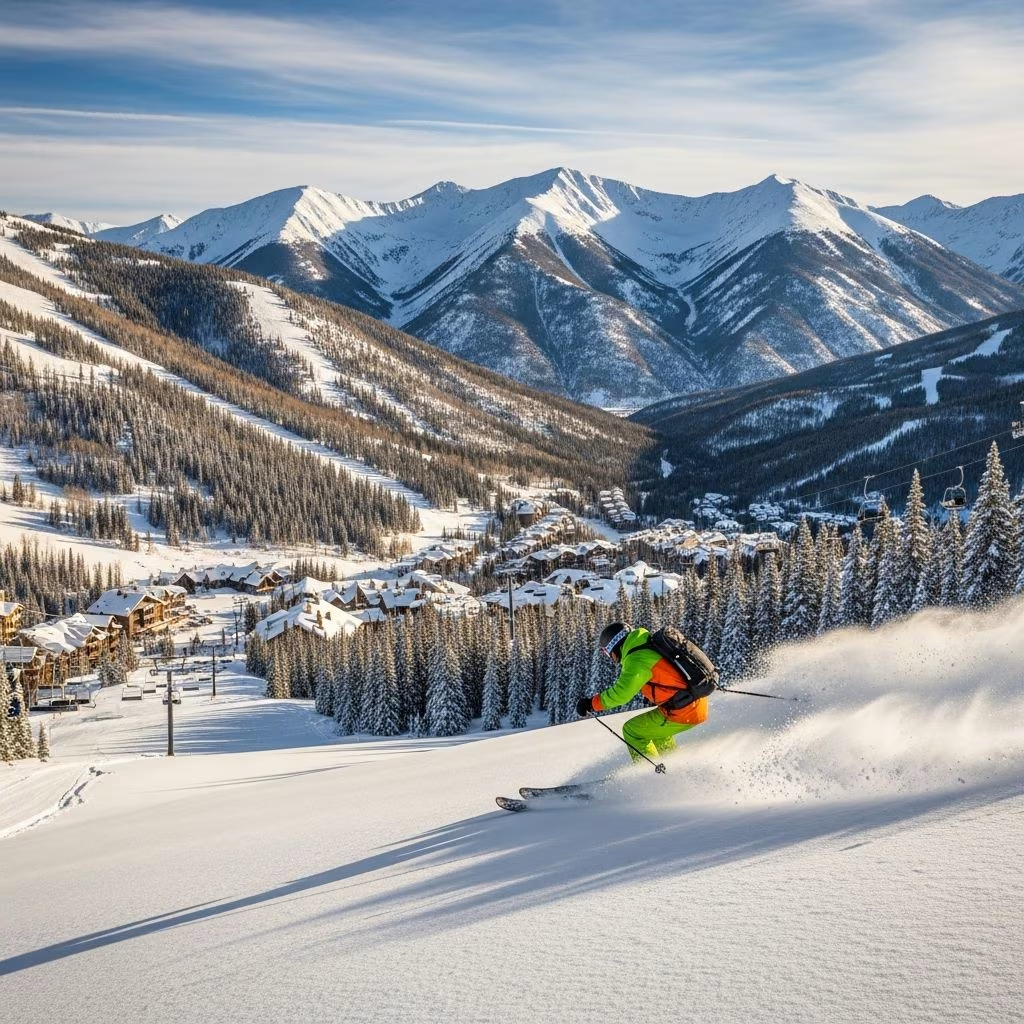
Park City, Utah has earned its reputation as one of North America’s premier winter destinations, attracting visitors from around the globe who seek both challenging terrain and unforgettable mountain experiences. The region’s unique combination of abundant snowfall, diverse ski terrain, and vibrant après-ski culture makes it an ideal location for a comprehensive winter vacation. Whether you’re a seasoned skier seeking technical challenges or a beginner looking to develop your skills, Park City offers something for everyone. This seven-day itinerary balances intensive skiing sessions with equally compelling off-mountain activities, ensuring that your winter escape delivers variety, relaxation, and lasting memories.
Begin your Park City adventure by traveling from Salt Lake City International Airport, which is conveniently located approximately 35 miles from Park City’s mountain resorts. The drive typically takes 45 minutes to an hour, depending on weather conditions and road traffic. Upon arrival at your accommodation, take time to settle in and adjust to the elevation. The Park City base area sits at nearly 7,000 feet above sea level, so hydration becomes essential from your first moments in town.
For your first day on the slopes, Deer Valley Resort offers an excellent introduction to the region’s skiing opportunities. Known for its well-maintained grooming standards and family-friendly atmosphere, Deer Valley provides a gentler entry point compared to some of the region’s more rugged terrain. Spend your afternoon warming up on intermediate runs, focusing on building confidence and assessing current snow conditions. Deer Valley’s emphasis on grooming perfection makes it ideal for acclimatization, allowing you to shake off any travel fatigue while enjoying consistently excellent snow quality.
Dedicate your second day to Park City Mountain Resort, which combines forces with the adjacent Canyons area to create one of North America’s largest unified ski destinations. With over 7,300 acres of combined terrain and more than 300 runs, Park City Mountain offers exceptional variety for skiers and snowboarders of different abilities.
For morning sessions, focus on exploring the main Park City base area. The resort features 106 individual trails, with approximately 17 percent designated as beginner-friendly terrain. Runs like Claimjumper provide rolling, manageable descents through scenic terrain, while Drift offers intermediate skiers opportunities to build speed confidence in controlled environments. As the day progresses and you’ve warmed up, challenge yourself with some of the resort’s 13 signature runs—these regularly groomed black diamond pitches deliver the distinctive corduroy texture that advanced skiers prize for executing precise turns and technical maneuvers.
For those interested in freestyle disciplines, Park City Mountain maintains several terrain parks featuring Olympic-caliber features. These areas cater to riders seeking freestyle progression, from progressing on smaller features to tackling more technical park elements.
Dedicate day three to experiencing one of Park City’s most distinctive dining traditions: dinner in a mountain yurt. This unique experience combines gourmet cuisine with spectacular alpine scenery, often including Nordic-inspired dishes served in traditionally decorated Scandinavian settings. The yurt experience typically involves snowcat transportation up the mountain, making the arrival itself part of the adventure. Multi-course meals feature locally sourced ingredients prepared by accomplished chefs, often accompanied by views of snow-covered peaks illuminated under starlight. These experiences represent a significant departure from standard resort dining and create memorable moments that extend beyond typical vacation experiences.
Reserve this day for traveling to the yurt venue and enjoying an evening of culinary immersion, which naturally limits additional skiing. Use morning hours for lighter activity—perhaps exploring Park City’s downtown historic district, visiting art galleries, or relaxing at one of the area’s spa facilities. This rhythm aligns with fitness recovery needs, as intensive skiing days benefit from strategic rest periods to allow muscles to recover and soreness to diminish.
Introduce completely different winter activities on day four by visiting Woodward Park City, a recreation facility offering snow tubing experiences distinct from traditional skiing. Tubing provides accessible entertainment for non-skiers and offers a playful alternative for skiers seeking variety. The tubing hills accommodate different skill levels and ages, making this activity inclusive for families traveling together.
Complement tubing with exploration of the Olympic Park museum and venue complex, a unique attraction celebrating Utah’s hosting of the 2002 Winter Olympics. The facility provides interactive exhibits, historical artifacts, and opportunities to tour actual Olympic competition venues. Visitors can explore bobsled and luge tracks, ski jump facilities, and learn about Olympic history through engaging displays. For adventurous visitors, some venues offer opportunities to experience bobsled rides or other interactive Olympic experiences, providing thrilling alternatives to alpine skiing.
After several intensive skiing days, transition to Canyons Village, the expanded terrain sector connected to Park City Mountain via the Quicksilver Gondola. This eight-passenger lift seamlessly connects both resort areas, offering convenient access to Canyons’ 4,000 acres and 182 distinct runs. Canyons typically experiences fewer crowds than the main Park City base area, making it ideal for skiers seeking less congested runs and a more relaxed resort atmosphere.
Canyons’ terrain distribution favors intermediate and advanced skiers, though the High Meadow chair accesses scenic beginner-appropriate runs with excellent summit vistas. Intermediate skiers benefit from extensive blue-run options accessible via the Dreamscape and Tombstone Express lifts. The Orange Bubble Express—the country’s first heated, covered chairlift—adds comfort during particularly cold conditions.
Advanced and expert skiers gravitate toward Canyons’ challenging terrain, including the Super Condor chair accessing uncrowded Murdock Peak’s black and double black diamond runs. The Ninety-Nine 90 Express provides access to extreme terrain featuring natural halfpipes, hike-to terrain, and the popular Fantasy Ridge area renowned for its challenging descents through steep glades and chutes.
For your final full skiing day, venture into Park City’s back bowl terrain—areas hidden from base area views that frequently accumulate fresh powder. These bowls demand higher skill levels, as their terrain combines steep pitches with variable snow conditions and hike-to access requirements. However, for expert skiers comfortable with challenging descents and variable conditions, back bowls deliver some of the region’s most rewarding skiing, especially following recent snowfall.
Alternatively, pursue a different type of exploration by hiking to Jupiter Peak’s summit—a 15-minute ascent from the base area that rewards hikers with crowd-free descents and untracked snow opportunities. The McConkey’s Bowl area, named after legendary skier Jim McConkey, offers additional hike-to-terrain featuring double black steeps and opportunities for experienced skiers to discover untracked snow. These areas demand competent avalanche awareness and off-trail skiing skills, making them suitable only for advanced mountain practitioners.
If skiing feels less appealing on day six, consider spending the day exploring Park City’s downtown historic district more thoroughly. Main Street features galleries, boutique shops, and restaurants reflecting the town’s rich mining heritage alongside contemporary mountain culture. Local outfitters offer snowshoe tours through the surrounding Wasatch Mountain Range, providing winter landscape exploration alternatives to resort skiing.
Reserve your final day for lighter activities emphasizing recovery and reflection. Begin with spa treatments addressing the muscle fatigue accumulated over six intensive ski days. Park City offers numerous spa facilities providing massage, hydrotherapy, and other recovery modalities that reduce soreness and promote relaxation. Many resort-based spas offer treatments specifically designed for skiers, utilizing warming therapies and specialized massage techniques targeting ski-specific muscle groups.
Afternoon hours can include casual exploration of area restaurants you might have missed earlier in the week, visits to local coffee roasters, or simply resting at your accommodation before departure. If your flight schedules permit, consider lunch at one of Park City’s acclaimed restaurants before heading to the airport for your return journey.
This itinerary assumes intermediate-to-advanced skiing ability. Beginners should modify the schedule by emphasizing Deer Valley and Park City Mountain’s easier terrain while reducing intensive skiing days to prevent injury and excessive soreness. Allocate additional rest days and consider lessons from professional instructors to build foundational skills safely.
Skiers not accustomed to frequent mountain activity should incorporate rest days strategically. A common framework involves skiing intensively for two consecutive days, followed by one lighter activity day. This rhythm allows muscle recovery while maintaining weekly activity progression. Stretching routines and foam rolling sessions accelerate recovery and reduce injury risk.
The 7,000-foot elevation requires genuine acclimatization, particularly for visitors from lower elevations. Arrive well-hydrated, continue consistent water consumption throughout your stay, and limit strenuous activity during your first 24 hours. Headaches, fatigue, and reduced athletic performance commonly emerge during initial altitude exposure, typically resolving within 2-3 days.
Check Park City’s avalanche forecasts and weather patterns before travel. Recent snowfall creates optimal backcountry conditions but also increases avalanche risk. Consult with ski patrol regarding current conditions before venturing into terrain requiring avalanche awareness. Wind conditions, temperatures, and precipitation patterns influence both skiing quality and safety considerations.
Park City’s culinary scene emphasizes locally sourced ingredients and innovative mountain cuisine. Dinner venues range from casual slope-side cafes to multi-course tasting menus. The yurt dining experience represents the region’s most distinctive offering, though numerous downtown restaurants deliver excellent cuisine without requiring special bookings. Lunch at mountain base areas sustains skiing energy, while après-ski venues provide casual atmospheres for evening relaxation.
December through March typically provides consistent snow conditions, with January-February offering the deepest snow accumulation and coldest temperatures. March extends the season while offering moderate crowd levels and stabilized spring conditions. Early December and late March offer discounted rates with adequate snow, ideal for budget-conscious travelers.
Beginners typically benefit from 3-4 dedicated skiing days within a seven-day week, supplemented by lessons, rest days, and complementary activities. This schedule prevents excessive soreness while allowing sufficient practice time for skill development.
Lodging packages vary significantly. Some resort properties include lift tickets or lessons, while others require separate purchases. Package deals frequently offer better value than purchasing components independently, particularly for multi-day visits.
Bring multiple moisture-wicking base layers, high-SPF sunscreen (crucial at elevation), lip balm, hand and toe warmers, and goggles with multiple lens options. Downtown exploration requires casual winter clothes beyond technical ski apparel. Compression sleeves address muscle fatigue and recovery.
Absolutely. Tubing, Olympic Park exploration, spa experiences, shopping, galleries, snowshoeing, and dining represent engaging activities for non-skiers, making Park City suitable for diverse groups with mixed interests.
