

 Travel Essentials
 Travel Essentials

Plan your ultimate Zambian adventure combining Victoria Falls, national parks, and authentic safari experiences across eight days of exploration and discovery.
 Travel Essentials
Zambia remains one of Africa’s best-kept secrets, offering travelers an authentic wilderness experience without the overwhelming crowds found in more popularized safari destinations. An eight-day journey through this southern African nation provides the perfect balance of natural wonders, wildlife encounters, and cultural immersion. From the thundering cascades of Victoria Falls to the untamed bush of remote national parks, Zambia delivers transformative experiences that reconnect visitors with the raw beauty of the African continent.
While other African nations command attention from international tourism boards, Zambia quietly maintains its position as a premier wilderness destination. The country’s remote landscapes remain largely untouched, and its commitment to conservation-focused tourism ensures that wildlife viewing experiences prioritize animal welfare and environmental sustainability. Travelers who venture to Zambia discover a destination where fewer tourists mean better wildlife sightings, more intimate bush encounters, and genuine interactions with local communities.
The country’s geographic diversity is remarkable—from the Great Rift Valley’s dramatic topography to expansive river systems and protected wilderness areas. This variety ensures that an eight-day itinerary can encompass multiple ecosystems and wildlife experiences without excessive travel time.
A well-planned eight-day itinerary balances the country’s flagship attractions with opportunities for deeper exploration. Most itineraries follow a logical geographic progression, beginning in the capital city before transitioning to national parks and ending at world-famous natural monuments. This structure minimizes backtracking while maximizing time spent in remote locations.
Your Zambian adventure typically begins in Lusaka, the nation’s capital and primary international gateway. Rather than rushing through the city, dedicating your arrival day to acclimatization and exploration provides valuable context for understanding modern Zambia. The city’s restaurant scene, particularly in affluent neighborhoods, offers excellent dining options featuring both international cuisine and authentic local dishes. Upscale establishments serve fresh seafood, grilled specialties, and fusion cuisine that reflect Zambia’s cultural diversity.
Many travelers use their first day to visit nearby attractions before heading to more remote regions. Local ride-sharing services make navigation straightforward, and organized tours provide structured introductions to the city’s highlights.
Before departing the capital region entirely, visitors can experience a condensed safari encounter at Lusaka National Park, the country’s smallest protected area but rich in wildlife diversity. This modest park hosts several compelling attractions that showcase Zambian fauna without requiring extensive travel from the city center. The park’s elephant orphanage represents important conservation work, with scheduled feeding times providing opportunities to observe these magnificent creatures up close.
A two-hour excursion through the park’s loop roads offers chances to spot antelopes, zebras, and giraffes in their natural habitat. The park’s discovery center sells locally crafted items, supporting artisan communities and providing authentic souvenirs directly from Zambian makers.
Spanning multiple days in South Luangwa National Park forms the core of most eight-day itineraries. This protected area, situated at the terminus of the Great Rift Valley, represents one of Africa’s last genuinely untouched wilderness regions. The park’s fame rests on several foundations: exceptional mammal and bird density, pristine scenery along the Luangwa River, and a commitment to low-impact tourism that preserves the environment for future generations.
Accommodations in the park range from comfortable safari camps featuring en-suite facilities to mobile bush camps that place visitors directly in the wilderness. The emphasis throughout remains on the safari experience rather than luxury amenities, though quality lodges provide hot meals, clean bedding, and basic comforts necessary for extended stays in remote locations.
South Luangwa pioneered the walking safari concept, and this tradition continues as a defining feature of the park experience. Morning and afternoon game drives traverse established routes, while walking safaris venture into areas inaccessible to vehicles, providing intimate encounters with wildlife and deeper understanding of ecosystem dynamics.
Walking safaris typically begin and conclude at camp, with guides leading small groups through pristine bush where vehicles cannot travel. This methodology reveals wildlife behavior, tracks, and plant ecology impossible to observe from vehicle windows. Experienced guides interpret landscapes, identify animal signs, and navigate safely through areas inhabited by lions, leopards, and other apex predators.
Game drive routes head in multiple directions—north, south, east, and west—into unspoiled habitats where few humans ever venture. The low population density of tourist vehicles means visitors often enjoy solitary wildlife encounters, observing animals engaged in natural behaviors rather than habituated responses to frequent human presence.
Expected Wildlife Encounters:
Evening expeditions reveal nocturnal creatures invisible during daylight hours, fundamentally expanding your wildlife portfolio. Specialized night-vision equipment and powerful spotlights illuminate creatures that emerge after sunset—hyenas, genets, nightjars, and other species adapted to darkness. The experience provides perspective on the park’s 24-hour ecosystem and nocturnal predator-prey dynamics.
Nights away from artificial light pollution offer exceptional stargazing opportunities. The Milky Way appears in spectacular clarity, with panoramic galactic views creating profound connection to celestial cycles that governed human existence throughout history. Many camps offer dedicated stargazing sessions with guides who interpret constellations and share cultural astronomy traditions.
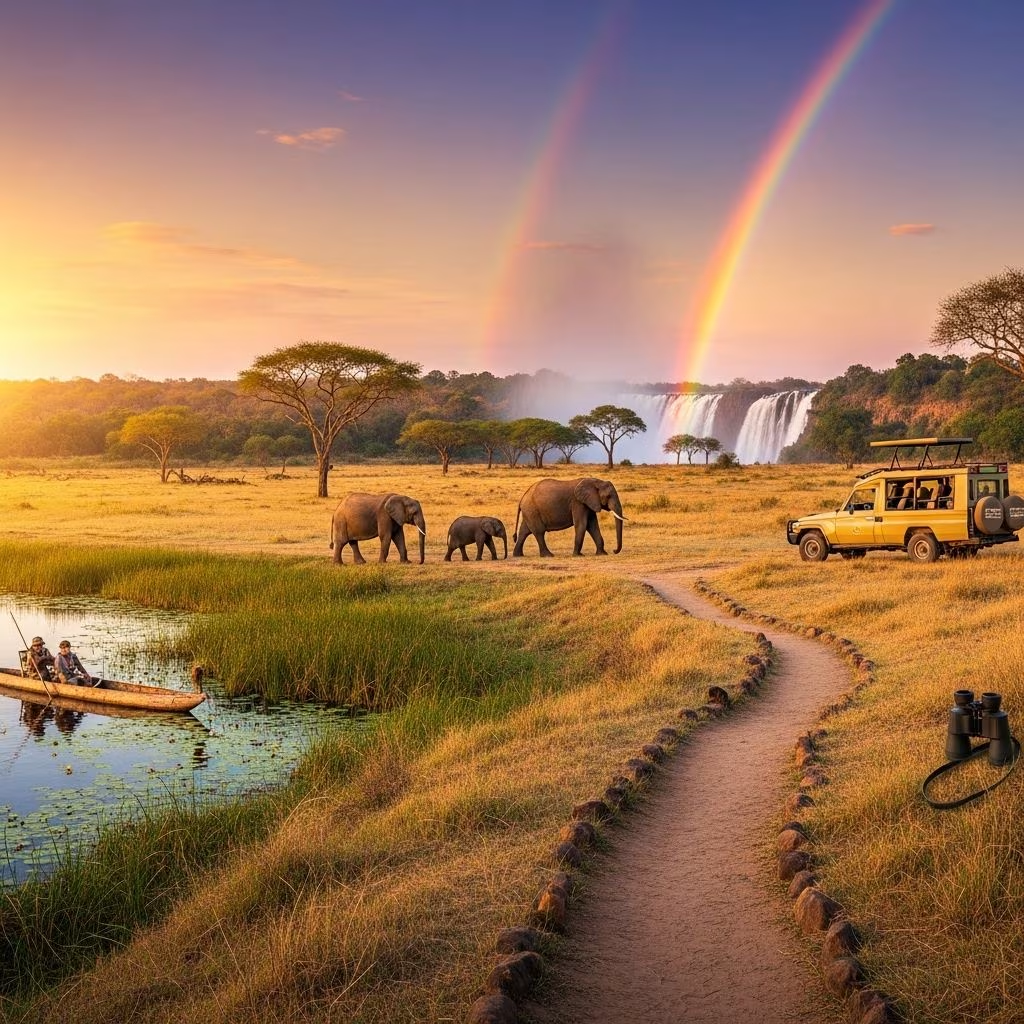
Transitioning from the bush to Livingstone introduces visitors to one of Earth’s most dramatic natural phenomena. Victoria Falls, known locally as Mosi-oa-Tunya (The Smoke That Thunders), commands the landscape and dominate the Livingstone experience. The falls’ magnitude—the world’s largest curtain of falling water—generates perpetual mist and an “eternal rainbow” visible throughout the region.
The knife-edge bridge crossing the falls offers breathtaking perspectives, though visitors should prepare for substantial spray that soaks clothing and camera equipment. Waterproof protection proves essential for maintaining comfort and protecting electronics. The bridge experience combines exhilaration with contemplation of nature’s raw power.
Livingstone has developed into an adventure tourism hub offering numerous activities for adrenaline-seeking travelers. Options cater to varying risk tolerances and physical capabilities:
| Activity | Description | Approximate Cost |
|---|---|---|
| Devil’s Pool Dip | Natural rock pool at falls edge; guided experience with safety protocols | $98+ |
| White-Water Rafting | Navigate 13 Zambezi River rapids; intermediate to advanced difficulty | $150 |
| Gorge Swing | 70-meter free-fall into Batoka Gorge with full-body harness | $95 |
| Sunset Cruise | Zambezi River boat excursion with wildlife viewing and refreshments | Varies |
Beyond adrenaline activities, Livingstone offers historical and cultural immersion. The town itself preserves architecture from its colonial era when it served as the nation’s capital during European administration. Early 20th-century buildings line main streets, providing tangible connections to Zambia’s complex history.
The Livingstone Museum houses comprehensive exhibits documenting regional history, featuring historic photographs, traditional crafts, and life-size wildlife models. The museum contextualizes Victoria Falls within broader narratives of human settlement, cultural development, and colonial impact on indigenous populations.
A distinctive Livingstone attraction involves traveling by the Royal Livingstone Express, a restored 1920s steam locomotive featuring period-appropriate luxury. The four-hour excursion traverses Mosi-oa-Tunya National Park while crossing the Victoria Falls Bridge, offering unique perspectives on local geography and wildlife. The train’s upholstered seating, white-linen dining arrangements, and curated service capture early 20th-century travel aesthetics while providing educational content about the region.
Eight-day itineraries sometimes incorporate Lower Zambezi National Park as an alternative to additional South Luangwa time. This region features riverside safaris along slower stretches of the Zambezi River, creating distinct wildlife viewing opportunities and landscape aesthetics compared to the Luangwa Valley. Motorboat transfers from airstrips provide dramatic introductions to the region’s water-based character.
Zambia’s geographic distances require strategic transportation choices. Domestic flights connect Lusaka to national park airstrips, reducing travel time and preserving precious safari hours. Road transfers handle connections between airstrips and lodge accommodations, typically ranging from 45 minutes to 2 hours depending on specific destinations. These transfers often provide safari opportunities en route, as guides point out roadside wildlife and landscape features.
Successful Zambian travel requires appropriate preparation. Physical fitness enables full participation in walking safaris, which demand sustained hiking through varied terrain. Comfortable, broken-in walking shoes prove essential, as does sun protection including high-SPF sunscreen, hats, and polarized sunglasses. Binoculars enhance wildlife viewing significantly—quality optics reveal details invisible to the naked eye.
Clothing should prioritize neutral earth tones that minimize wildlife disturbance. Layering accommodates temperature fluctuations between cool mornings and hot afternoons. Lightweight, quick-drying materials handle unexpected rain and riverside activities.
Zambia’s climate follows distinct seasonal patterns that influence wildlife behavior, accessibility, and comfort levels. The dry season (May through October) generally provides optimal safari conditions with concentrated wildlife viewing as animals congregate near permanent water sources. Temperatures remain moderate, and reduced vegetation enhances visibility. The hot season (November through April) brings rainfall, lush landscapes, and migratory bird arrivals, though certain areas may become inaccessible due to road conditions.
Zambia maintains relatively stable security conditions and welcomes international visitors. Standard travel precautions apply—avoid displaying valuables, remain aware in urban areas, and follow guide recommendations. Safari operations emphasize safety protocols and employ experienced guides trained in wildlife management and emergency response.
Consult healthcare providers regarding vaccinations for yellow fever, typhoid, and other tropical illnesses. Malaria prophylaxis is typically recommended for certain regions, particularly during wet seasons. Travel insurance providing medical evacuation coverage offers valuable protection in remote areas.
Walking safaris require moderate fitness levels and comfort with extended periods on foot over uneven terrain. Guides adjust pace and distance according to group capabilities. Participants should honestly assess physical limitations during pre-departure consultations with tour operators.
Many operators accommodate family groups, though age requirements vary. Some camps and safari operations establish minimum age restrictions for safety and wildlife management reasons. Advance communication with tour providers ensures suitable arrangements.
The Zambian kwacha serves as the official currency. Major lodges and operators accept credit cards, though carrying cash proves useful for tips, artisan purchases, and informal transactions. Currency exchange rates favor conversion at banks rather than informal money changers.
An eight-day Zambian itinerary delivers transformative travel experiences that extend far beyond typical vacation activities. The combination of world-class wildlife encounters, iconic natural wonders, and authentic cultural connections creates memories that resonate throughout life. Whether watching lions hunt across golden plains, standing before Victoria Falls’ immense power, or sharing quiet moments observing the Milky Way above remote bush camps, Zambia offers profound reconnection with nature and expanded perspective on human existence.
The relatively small number of visitors compared to other African destinations means fewer crowds and more intimate encounters with both wildlife and local communities. This authentic experience—free from over-commercialization and mass tourism infrastructure—defines Zambia’s appeal to discerning travelers seeking genuine African adventures.
