

 Travel Essentials
 Travel Essentials

Explore Kerala beyond surface-level tourism with a carefully curated 9-day itinerary emphasizing cultural immersion, heritage exploration, and meaningful connections with local artisans and communities.
 Travel Essentials
Kerala, often referred to as “God’s Own Country,” represents one of India’s most captivating destinations, where lush landscapes meet centuries-old traditions. Unlike conventional tourist circuits that prioritize speed and surface-level encounters, a thoughtfully designed itinerary allows visitors to experience the region’s authentic pulse—from dawn mists rolling across tea plantations to the rhythmic sounds of traditional performances echoing through historic palaces.
This nine-day exploration transcends typical sightseeing by weaving together royal heritage, artistic traditions, natural wonders, and genuine community connections. The journey prioritizes quality over quantity, allowing adequate time in each location to develop meaningful understanding and appreciation for Kerala’s complex cultural tapestry.
Kerala’s identity emerges from centuries of cross-cultural exchange, where Arab traders, European colonizers, and Indian kingdoms left indelible marks. This layered history manifests in the region’s diverse religious structures, artistic expressions, and social practices. The state’s approach to wellness through Ayurvedic traditions, its commitment to literacy and social development, and its preservation of classical performing arts distinguish it from other Indian regions.
Visiting Kerala requires understanding that the region functions as a living museum where daily life continues within historic contexts. Local communities maintain traditions not as performances for tourists but as integral components of their identities. This distinction shapes how respectful travelers should approach their experience—as observers and students rather than consumers.
Kerala’s princely past permeates its architecture and stories. The region once hosted multiple kingdoms, each contributing distinct artistic and architectural traditions. Palace complexes serve as repositories of royal artifacts, artistic masterpieces, and historical narratives spanning centuries.
Specialized palace visits enhance understanding by providing context beyond what standard guidebooks offer. Personal connections with descendants of royal families or trained heritage specialists illuminate the significance of artwork, architectural choices, and historical decisions. These encounters transform static museums into dynamic narratives, revealing how royal courts functioned and influenced broader society.
Palace tours typically include observation of traditional murals, examining ancient manuscripts, and learning about the diplomatic relationships that shaped the region. Understanding the roles of various royal family members and their contributions to arts and culture creates appreciation for preservation efforts today.
Kathakali dance represents Kerala’s most internationally recognized classical art form, characterized by elaborate costumes, intricate facial expressions, and storytelling rooted in ancient Hindu epics. Traditionally a male-dominated practice, this art form has undergone significant transformation in recent decades as women performers gain prominence and recognition.
Contemporary Kathakali troupes, particularly all-women ensembles, demonstrate how classical traditions evolve while maintaining artistic integrity. Attending intimate performances in smaller venues rather than tourist-oriented shows provides superior artistic experience. Performers often share backgrounds, training experiences, and their perspectives on modernizing traditional art forms.
Witnessing Kathakali requires understanding that the performance language differs fundamentally from Western theatrical conventions. Facial mudras (hand gestures) communicate emotions and narrative details, while costume colors denote character types. Pre-performance explanations significantly enhance appreciation and emotional connection to the storytelling.
Ayurveda, the ancient system of medicine originating in the Indian subcontinent, remains deeply integrated into Kerala’s healthcare and daily wellness practices. Unlike commercialized spa experiences, authentic Ayurvedic encounters involve consultations with practitioners who assess individual constitutions and recommend personalized treatments based on foundational principles.
Nadi reading—pulse diagnosis—represents a cornerstone diagnostic technique where practitioners interpret subtle vibrations to assess overall health, identify imbalances, and recommend preventive measures. These consultations provide insight into holistic wellness philosophies that view health as harmony between body, mind, and environment rather than absence of disease.
Engaging with Ayurvedic traditions requires patience and openness to non-Western health paradigms. Practitioners may recommend lifestyle adjustments, dietary modifications, and specific herbal preparations tailored to individual needs. This personalized approach contrasts sharply with one-size-fits-all tourism wellness offerings.
Kerala’s agricultural economy extends beyond the tea plantations famous among tourists. The region produces spices that shaped global trade history—pepper, cardamom, cinnamon, and cloves once motivated European colonial ventures. Contemporary farmers balance traditional cultivation methods with modern organic practices and community-based conservation initiatives.
Visiting agricultural communities provides understanding of how farmers adapted to climate changes, market pressures, and shifting global demand patterns. Conversations with agricultural families reveal daily decision-making processes, seasonal challenges, and aspirations for younger generations. These interactions humanize production chains that consumers typically experience only through finished products.
Artisanal crafts including natural fabric dyeing employ traditional techniques passed through family lines. Observing craftspeople working with plant-based dyes reveals chemical processes underlying traditional practices. Understanding why specific natural materials produce particular colors connects material science with cultural knowledge systems.
Kerala’s backwaters represent intricate networks of lagoons, lakes, and canals formed by the interplay between tidal flows and monsoon rains. These waterways historically functioned as transportation systems and remain central to local livelihoods and daily activities.
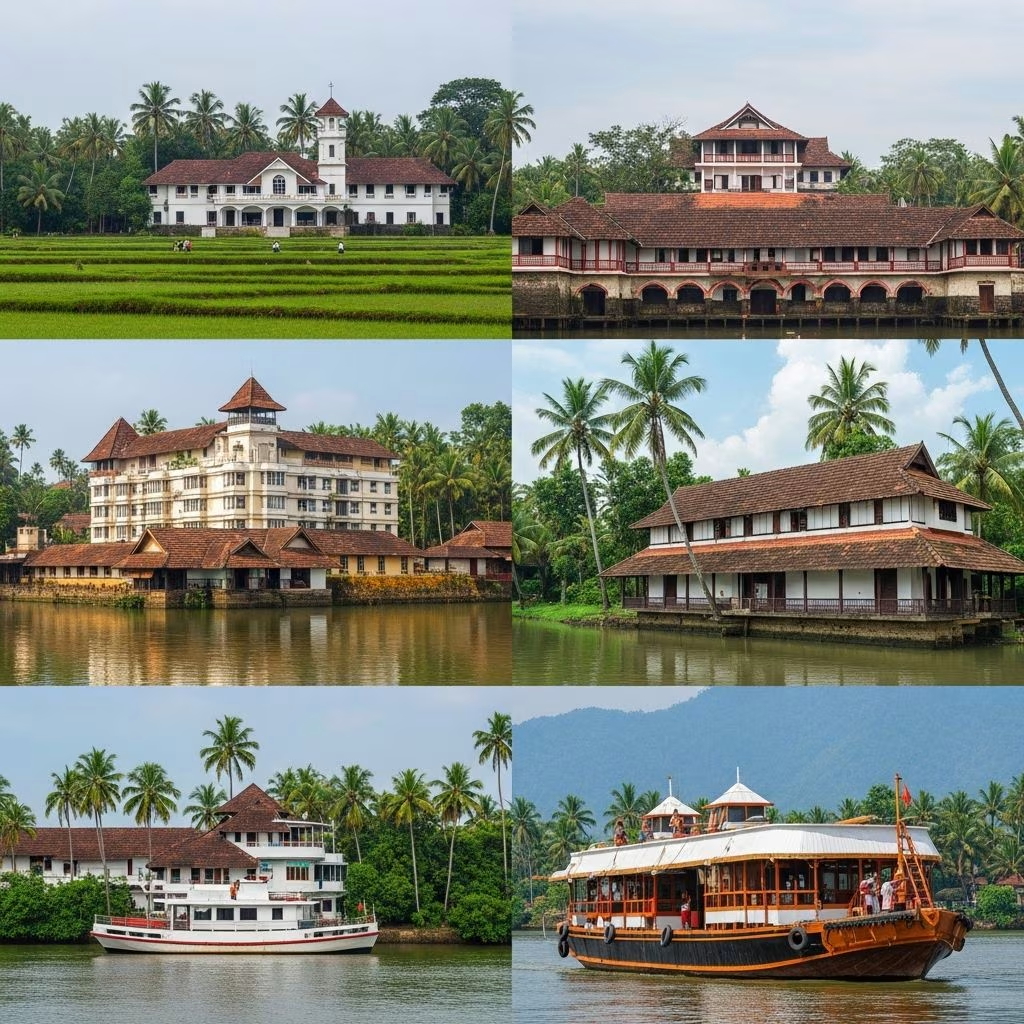
Traditional kettuvallams—large wooden houseboats—once transported spices during Kerala’s merchant period. Modern versions preserve traditional construction methods while incorporating contemporary comforts. Houseboat experiences vary dramatically based on vessel quality, operator practices, and itinerary design. Premium operators prioritize sustainable practices, source local meals, and employ guides knowledgeable about waterway ecosystems and communities.
The backwater experience transcends mere scenic cruising. Observing daily waterside activities—fishing techniques, coconut harvesting, fish drying—reveals how communities interact with aquatic environments. Early morning journeys capture authentic scenes before tourist boats proliferate.
Kochi, formerly known as Cochin, functions as Kerala’s cultural gateway. This port city displays Portuguese, Dutch, and British architectural influences alongside indigenous Kerala styles. Historic districts feature ancient synagogues, colonial churches, temples, and traditional residences.
Immersive exploration involves walking colonial-era streets, observing Chinese fishing nets that still operate along the waterfront, and visiting spice markets that historically bustled with international traders. Personal connections with local historians or heritage specialists significantly enhance contextual understanding compared to independent sightseeing.
Munnar, situated in the Western Ghats mountains, contrasts dramatically with coastal lowlands. Tea plantations carpet hillsides, creating landscapes of striking beauty while revealing the scale of agricultural operations. Walking through plantations provides perspective on cultivation techniques, processing methods, and labor systems.
Adjacent wildlife sanctuaries protect diverse ecosystems and endangered species. Guided nature walks with trained naturalists reveal complex interdependencies within forest systems. Local guides familiar with seasonal patterns, animal behavior, and ecological changes offer insights that independent exploration cannot provide.
Alleppey and Kumarakom showcase Kerala’s waterway cultures from different perspectives. Alleppey historically functioned as a trade port and remains a vibrant commercial center, while Kumarakom developed into a more tourist-oriented destination with bird sanctuaries and lake-based hospitality.
Multi-day houseboat experiences allow travelers to transition into waterway rhythms. Extended cruising reveals morning mists, seasonal bird populations, and evening light quality that brief visits cannot capture. Interactions with local fishermen, coconut harvesters, and waterside families provide windows into traditional livelihoods facing modernization pressures.
Later days emphasize flexibility and personal choice. Guided walks through historic towns like Kottayam reveal religious diversity, centuries-old architecture, and layered histories. Optional activities might include temple visits to observe rituals, bicycle journeys through rural landscapes, or visits to agricultural operations where families continue multi-generational farming traditions.
This flexible final phase accommodates different traveler interests while maintaining the itinerary’s emphasis on authentic encounters rather than rushing between attractions.
Accommodation choices significantly influence trip quality and environmental impact. Properties demonstrating commitment to sustainability through waste reduction, water conservation, and local employment practices align values with travel experiences. Smaller properties operated by families or local entrepreneurs typically offer more personalized service and direct economic benefits to communities compared to large chains.
Specialty stays in heritage properties or nature-focused resorts provide distinctive experiences while supporting cultural preservation. These accommodations often employ staff from surrounding communities and source meals locally.
Meaningful cultural tourism requires respecting community boundaries and local customs. Photography should involve permission-seeking, particularly with individuals. Religious sites warrant appropriate dress and behavior. Purchasing decisions should prioritize locally-made goods from artisans and small producers rather than mass-produced souvenirs.
Traveling during shoulder seasons rather than peak tourist periods reduces infrastructure strain and allows more genuine community interactions. Off-peak visits generally offer better value while distributing tourism impacts more equitably.
Kerala experiences tropical climate with distinct seasonal variations. Monsoon season (June-August) brings heavy rainfall but fewer tourists and dramatic landscapes. Post-monsoon months (September-October) feature clearing skies and refreshed vegetation. Winter months (November-February) offer ideal weather for most activities. Summer (March-May) brings intense heat, though reduced crowds offer compensation.
Domestic flights connect major cities efficiently, while road networks span the state. Hiring private vehicles with experienced drivers provides flexibility and comfort. Public transportation options exist but require navigation experience. Train services connect some locations but operate on limited schedules.
Malayalam functions as the primary local language, though English proficiency is relatively high in tourism sectors. Learning basic Malayalam phrases demonstrates respect and facilitates informal interactions. Translation applications assist with non-English speakers in remote areas.
Small groups of 2-4 people typically allow more authentic interactions and flexible scheduling. Larger groups often experience more structured, less personalized experiences. Private itineraries accommodate individual preferences and pacing preferences.
The itinerary includes moderate physical activity through walking tours, nature hikes, and informal transportation. Most activities accommodate varying fitness levels through optional participation. Travelers with mobility limitations should discuss specific needs with tour operators to arrange appropriate accommodations.
Beyond package inclusions, budget for meals not covered, additional activities, artisanal purchases, tips, and travel insurance. Daily discretionary spending of $20-40 USD provides comfortable margins for most travelers, though individual preferences vary significantly.
Emphasis on cultural depth, community engagement, and flexible pacing distinguishes this approach from conventional circuits that prioritize rapid destination coverage. Quality interactions replace quantity of attractions visited.
The itinerary generally suits travelers of all ages. Children above 8-10 years typically engage well with activities, while younger children may find extended journeys challenging. Families should discuss specific ages with tour operators regarding suitability.
Kerala travel transcends conventional tourism when approached with curiosity, respect, and genuine interest in understanding different ways of living. Nine days allows sufficient time to move beyond initial impressions and develop meaningful appreciation for the region’s natural beauty, cultural richness, and human warmth. By prioritizing depth over breadth and community connection over attraction checkmarks, travelers create experiences that resonate long after departure and contribute positively to the communities hosting them.
