


 Food & Culture
Food & Culture
A Food Lover’s Guide to Spain: Regional Dishes, Tapas and Dining Tips
Explore Spain's vibrant food scene with must-try dishes like paella, tapas, and regional gems, plus tips on eating like a local for an unforgettable culinary journey.
 Food & Culture
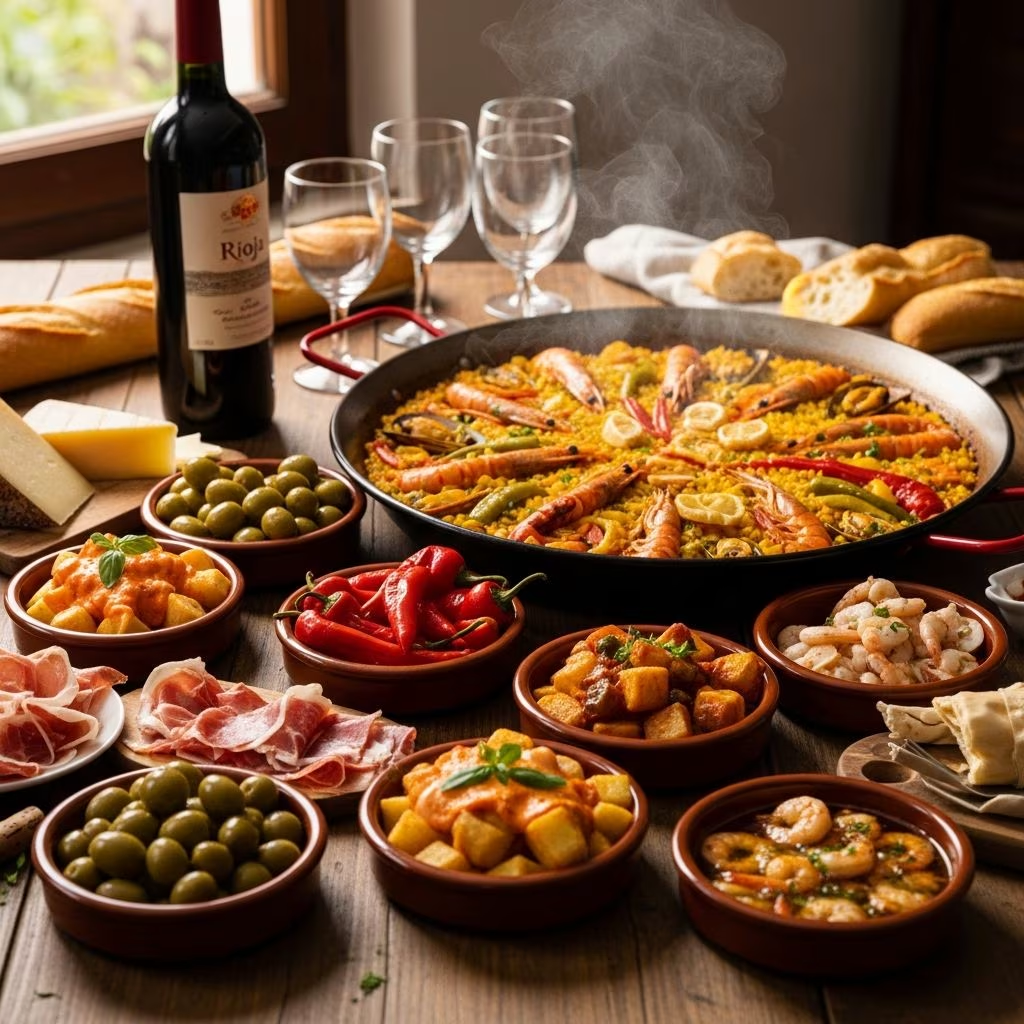
Spain boasts one of Europe’s most celebrated food cultures, where fresh ingredients, regional diversity, and social dining traditions create unforgettable experiences. From sun-ripened tomatoes in the south to seafood from the Atlantic coasts, every bite tells a story of local heritage and innovation.
Understanding Spain’s Unique Dining Rhythm
Spanish meals follow a distinct schedule that differs from many other countries. Breakfast is light, often just coffee with a pastry. Lunch, the main event, starts around 2 or 3 p.m. and can last hours, featuring multiple courses. Dinner begins late, after 9 p.m., focusing on lighter fare like tapas shared among friends.
This rhythm reflects Spain’s Mediterranean lifestyle, emphasizing leisure and conversation over rushed eating. Visitors should adapt to avoid empty restaurants during off-hours.
Iconic Dishes Every Visitor Must Sample
Spain’s cuisine shines through its timeless staples, each rooted in simple, high-quality ingredients.
- Paella: This saffron-infused rice dish originated in Valencia, traditionally cooked over wood fires in wide pans for a crispy bottom layer called socarrat. Authentic versions feature rabbit, chicken, or seafood, never mixed.
- Tortilla Española: A thick omelet of potatoes and eggs, sometimes with onions, served hot or cold. It’s a versatile staple in homes and bars nationwide.
- Patatas Bravas: Crispy fried potatoes topped with spicy tomato sauce and aioli, a quintessential tapas item that’s addictive and widely available.
- Churros con Chocolate: Fried dough pastries dusted with sugar, dipped in thick hot chocolate. Ideal for breakfast or late-night snacks from specialized churrerías.
These dishes exemplify Spain’s emphasis on bold flavors from everyday ingredients.
Regional Flavors: A Journey Across Spain
Spain’s 17 regions each offer distinct culinary identities shaped by climate, terrain, and history. Here’s a curated tour of highlights.
Andalusia: Bold and Fresh
In southern Andalusia, sunny fields yield gazpacho, a chilled tomato soup blended with garlic, peppers, and olive oil—perfect for hot days. Salmorejo, a thicker cousin from Cordoba, incorporates bread for creaminess. Coastal spots serve pescaíto frito, lightly battered fried fish, and fideuà, a paella-like noodle dish with seafood. Beachside chiringuitos provide casual seafood feasts.
Catalonia: Coastal and Mountain Fusion
Northeastern Catalonia blends sea and peaks. Pa amb tomàquet—grilled bread rubbed with tomato, garlic, and olive oil—starts many meals. Escudella i carn d’olla, a hearty stew, is a winter favorite, while crema catalana offers a caramelized custard twist on crème brûlée. Barcelona’s markets burst with botifarra sausage and fresh produce.
Basque Country: Pintxos Paradise
San Sebastián reigns as Spain’s gourmet hub, where pintxos—Basque tapas skewered with toothpicks—line bar counters. Expect spider crab, anchovies, and seafood stews. Bars tally bills by toothpick count. Gildas, olive-wrapped anchovy-cocktail skewers, add zing.
Valencia and Beyond
Valencia perfects paella at places like Casa Carmela, using orange wood for authentic smoke. Galicia favors pulpo a la gallega, tender octopus with paprika and potatoes. La Mancha offers pisto, a vegetable stew akin to ratatouille.
| Region | Signature Dish | Key Ingredients | Best Paired With |
|---|---|---|---|
| Andalusia | Gazpacho | Tomatoes, peppers, garlic | Cold fino sherry |
| Catalonia | Pa amb tomàquet | Bread, tomato, olive oil | Cheese or ham |
| Basque Country | Pintxos | Seafood, local cheeses | Txakoli wine |
| Valencia | Paella Valenciana | Rice, rabbit, snails | Valencian red wine |
Tapas and Pintxos: The Heart of Social Eating
Tapas culture transforms snacks into a meal ritual. In central and southern Spain, share small plates like gambas al ajillo—garlic shrimp sizzling in oil—or boquerones fritos, fried anchovies. Northern pintxos elevate this with creative stacks.
Pro tips: Bar-hop (gira de bares), order house specials, and use toothpicks to track consumption in pintxos bars. Portions are modest; variety is key.
Seafood and Cured Meats: Spain’s Protein Stars
Extensive coastlines deliver pristine seafood: grilled sardines, tinned conservas like cockles and squid, octopus salads in Galicia. Jamón ibérico, acorn-fed ham, is sliced paper-thin, its nutty richness unmatched. Manchego cheese complements both.
Sweets and Snacks for Every Craving
Beyond churros, torrijas—honey-soaked fried bread—marks Easter. Tarta de Santiago, almond cake from Galicia, offers nutty simplicity. Pimientos de Padrón peppers provide a gamble: most mild, some fiery.
Practical Tips for Eating Like a Local
- Embrace late dining; kitchens close early by U.S. standards.
- Seek markets like Barcelona’s La Boqueria for fresh bites.
- Pair with regional wines: Rioja reds, Albariño whites, vermouth aperitifs.
- Avoid tourist traps; follow locals to authentic spots.
- Don’t ask for doggy bags—portions suit savoring.
Vegetarian and Dietary Considerations
Spain accommodates plant-based eaters with gazpacho, escalivada (roasted veggies), and judías verdes (green beans). Specify “sin carne” (no meat) clearly, as some dishes hide animal products.
FAQs
What is the best time to eat paella?
Authentic paella is a Sunday lunch dish in Valencia, cooked fresh over flames. Book ahead for restaurants.
How do tapas differ from pintxos?
Tapas are plate-based small dishes; pintxos are skewered bites from Basque bars, counted by sticks.
Is jamón ibérico worth the price?
Yes, its melt-in-mouth texture from free-range acorn diet sets it apart.
Can I find vegan options everywhere?
In cities yes, via salads and veggies; rural areas require planning.
What drink pairs with most tapas?
Cerveza, vermouth, or local wine like verdejo.
Planning Your Food-Focused Itinerary
Combine regions: Start in Andalusia for gazpacho, Valencia for paella, Basque Country for pintxos. Cooking classes and market tours deepen immersion. Spain’s food is communal—share plates, stories, and the joy of discovery.
References
- What to eat in Spain: a guide for foodies — TravelLocal. 2023. https://www.travellocal.com/en/articles/what-to-eat-in-spain-our-guide-to-authentic-food-experiences
- The taste of Spain: a Spanish food guide — Audley Travel. 2024. https://www.audleytravel.com/us/spain/travel-guides/a-guide-to-spanish-food
- Ultimate food and wine guide of Spain — EF Go Ahead Tours. 2023. https://www.goaheadtours.com/travel-blog/articles/food-and-wine-guide-to-spain
- Spain for foodies. 10 dishes you must try while in Spain — Postcards from the World. 2022. https://postcardsfromtheworld.com/dishes-you-must-try-in-spain/
- A Food Lover’s Guide to Spain — Oliver’s Travels. 2024. https://www.oliverstravels.com/blog/a-food-lovers-guide-to-spain/
- Eating in Spain: Sustenance for the Soul — Rick Steves. 2023. https://www.ricksteves.com/watch-read-listen/read/articles/eating-in-spain
On This Page
Understanding Spain's Unique Dining Rhythm Iconic Dishes Every Visitor Must Sample Regional Flavors: A Journey Across Spain Tapas and Pintxos: The Heart of Social Eating Seafood and Cured Meats: Spain's Protein Stars Sweets and Snacks for Every Craving Practical Tips for Eating Like a Local Vegetarian and Dietary Considerations FAQs Planning Your Food-Focused Itinerary← Previous
Park City Is America’s Most Expensive Ski Destination
Next →
India Travel Tips for First-Time Visitors
Related Reading
More in Food & Culture
Food & Culture Food & Culture
 Food & Culture
Best Places to Eat in Rome: Neighborhood Dining Guide
 Food & Culture
 Food & Culture