

 Travel Essentials
 Travel Essentials

Discover Thailand's culinary treasures through street eats, regional specialties, cooking classes, and market explorations in this ultimate food lover's guide.
 Travel Essentials
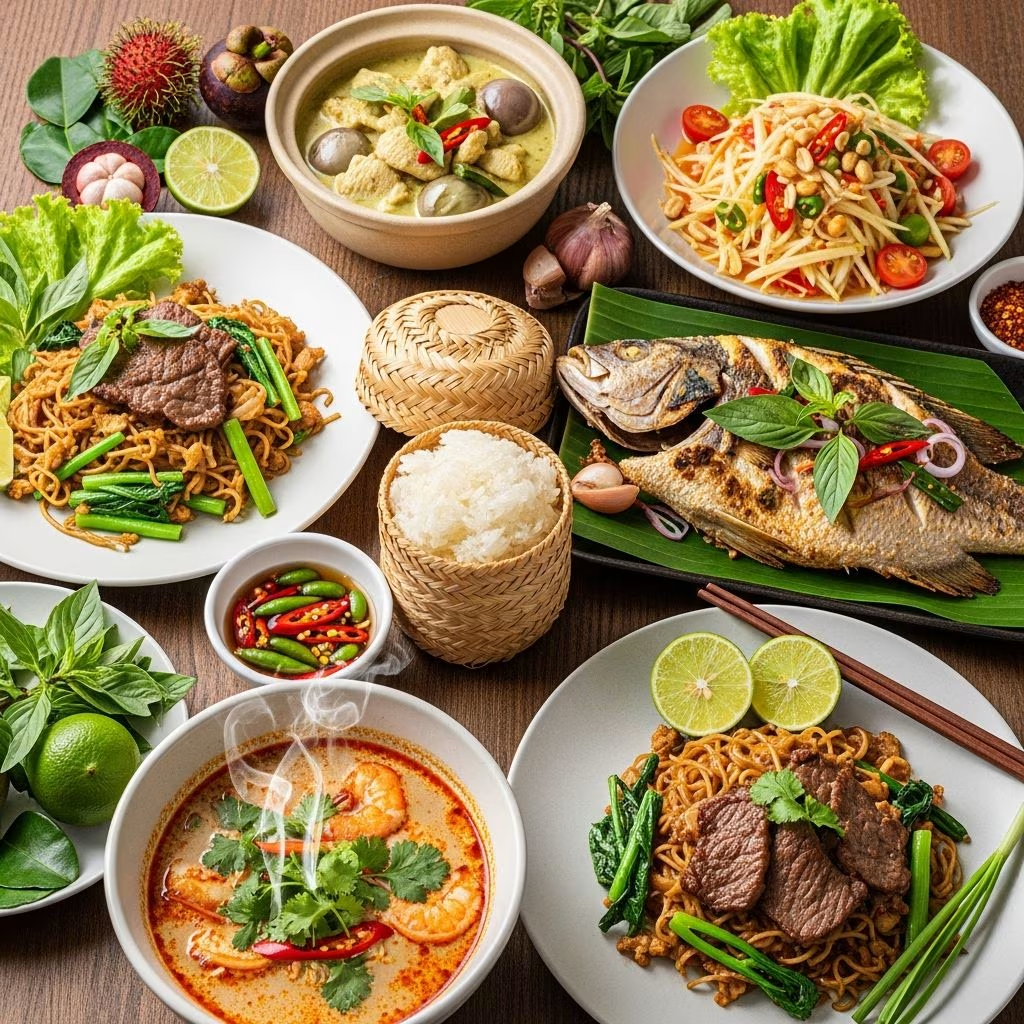
Thailand captivates food enthusiasts with its bold flavors, fresh ingredients, and communal dining culture that blends sweet, sour, spicy, salty, and bitter in perfect harmony. This guide takes you on a sensory tour across key destinations, highlighting must-try dishes, insider tips, and immersive experiences to elevate your culinary journey.
Bangkok pulses with energy, and its street food scene is the epicenter of Thailand’s culinary identity. Narrow alleys transform into open-air kitchens at night, where vendors grill, stir-fry, and steam under colorful lights. The city’s markets offer an authentic entry point, showcasing everything from humble noodle carts to elaborate seafood spreads.
Key spots include bustling night markets where locals and travelers converge. Here, you’ll find vendors who’ve perfected their recipes over generations, drawing long lines that signal quality and freshness. Opt for stalls with high turnover to ensure hygienic, piping-hot meals.
Pro Tip: Request mai phet (not spicy) if heat overwhelms, but embrace phet nit noi (mildly spicy) for the true Thai balance.
In the misty mountains of northern Thailand, Chiang Mai redefines street dining. Many residents skip home kitchens, relying on affordable, diverse roadside eats costing around $2 per meal. The old city’s moatside markets buzz nightly with herbal-infused specialties influenced by Burmese and Chinese traditions.
This region’s cuisine emphasizes sticky rice, grilled meats, and pungent dips. Northern dishes pack heat from local chilies but balance with cooling herbs like lemongrass and galangal.
| Dish | Description | Where to Find |
|---|---|---|
| Khao Soi | Coconut curry noodle soup with chicken, egg noodles, pickled greens, and crispy toppings. | Moat-side stalls in Old City. |
| Sai Ua | Spicy northern sausage with herbs, grilled to perfection. | Night markets like Chang Phuak. |
| Sticky Rice with Mango | Sweet glutinous rice drenched in coconut milk, paired with ripe mango. | Any dessert cart. |
Explore Chiang Mai’s temple-adjacent bazaars for rare finds like fermented sausage salads. Cooking classes here often source ingredients from organic farms, teaching you to pound pastes by hand.
Southern Thailand’s islands like Koh Samui blend Malay, Indian, and local seafood influences into coconut-laced curries and tangy broths. Pristine beaches frame beachside shacks serving the day’s catch, grilled or simmered in spicy sauces.
Expect bolder spices and richer gravies here, with tamarind and turmeric starring alongside prawns and fish. Sunset dinners on the sand offer romantic, flavorful escapes.
Visit fishing villages for the freshest hauls, and join boat tours that end with onboard feasts.
No Thai adventure is complete without rolling up sleeves for a cooking class. In Bangkok, half-day sessions cover market visits and multi-course meals. Chiang Mai offers farm-to-table experiences with rare herbs, while Koh Samui focuses on southern seafood prep.
Typical itinerary: Select ingredients at dawn markets, learn pestle-and-mortar techniques, and cook dishes like green curry or tom yum soup. Depart with recipes and skills to recreate at home.
Markets are Thailand’s soul—chaotic, aromatic hubs of life. From Bangkok’s floating markets to Chiang Mai’s walking streets and Samui’s beachside stalls, they offer bites like crispy pancakes (khanom buang) and papaya salad (som tum).
Beyond Isaan’s bold salads and grilled meats, hunt for regional gems like coconut-based sweets.
Thailand’s geography shapes its palate: North is herbal and grilled, Northeast fiery and sticky-rice heavy, South coconutty and seafood-forward, Central balanced and refined.
| Region | Signature Flavors | Must-Try |
|---|---|---|
| Central (Bangkok) | Balanced, sweet-sour | Pad Thai, Tom Yum |
| North (Chiang Mai) | Herbal, spicy-minimal coconut | Khao Soi, Sai Ua |
| Northeast (Isaan) | Bold spicy, fermented | Som Tum, Larb |
| South (Koh Samui) | Coconut-rich, tart | Gaeng Som, Massaman |
Cool season (November-February) offers pleasant weather for street wandering, though prices peak.
Yes, at busy stalls with locals—high turnover means fresh food.
Varies; specify heat levels to customize.
Abundant—request jay (vegan) for tofu-based twists on classics.
Chiang Mai for northern specialties, Bangkok for variety, islands for seafood.
Pair meals with Thai iced tea or singha beer. For fine dining, Bangkok’s spots like Gaggan innovate on traditions. Venture to lesser-known areas like Isaan for unfiltered authenticity—grilled meats and papaya salads that ignite the senses.
Thailand’s food fosters connections: Share plates at communal tables, learn phrases like aroi mak (delicious). This odyssey nourishes body and spirit, weaving flavors into lifelong memories.
