


 Food & Culture
Food & Culture
A Guide to Turkish Food in London
Explore the rich history and vibrant present of Turkish food in London, from historic kebab pioneers to contemporary grill houses shaping the city's eating scene.
 Food & Culture
London’s food landscape pulses with global influences, and Turkish cuisine stands out as a resilient force that has woven itself into the city’s fabric. From humble beginnings in post-war Soho to the smoky allure of modern grill houses, Turkish eateries offer more than just late-night snacks—they represent migration, community, and culinary evolution. This article delves into the multifaceted journey of Turkish food in the British capital, highlighting its historical foundations, iconic dishes, neighborhood hubs, and enduring appeal.
Roots of Turkish Culinary Presence in Britain
The story of Turkish food in London begins in the mid-20th century, amid the waves of immigration that reshaped the city. The pioneering establishment, known as The Istanbul, opened its doors in the vibrant chaos of Soho during the 1940s. This modest restaurant introduced Brits to the bold flavors of grilled meats and spiced accompaniments at a time when rationing still lingered from World War II. It laid the groundwork for what would become a national obsession: the kebab shop.
By the 1970s, these spots proliferated, transforming from niche immigrant ventures into ubiquitous fixtures. Kebabs, with their origins traced back to Turkish soldiers grilling hunted game on swords, found a perfect match in London’s street food culture. Pioneers like Ali Dirrik, who hailed from central Turkey, expanded this legacy by establishing grill houses that emphasized the mangal—the traditional Turkish grill central to communal feasting.
- 1940s: First Turkish restaurant opens in Soho, marking the dawn of organized Turkish dining.
- 1970s: Explosion of kebab shops nationwide, fueled by immigration and demand for affordable, flavorful food.
- Late 20th Century: Shift toward specialized ocakbaşı (fireside) restaurants, elevating casual eats to social gatherings.
Ottoman Legacy: The Foundation of Flavors
At the heart of modern Turkish food lies the sophisticated Ottoman cuisine, a fusion born from the empire’s vast reach across Europe, the Middle East, and beyond. This imperial kitchen blended Balkan, Caucasian, and Levantine elements into dishes that prized balance—sweet, sour, smoky, and fresh.
Tomatoes, introduced in the 1690s, revolutionized recipes despite initial rarity in 18th-century manuscripts. By the 19th century, cookbooks like those of Mehmet Kamil featured innovative uses: stews, pilafs, and stuffed dolma (vegetables or leaves filled with rice and meat). Green tomatoes appeared in recipes until the late 1800s, showcasing experimentation that persists in today’s stuffed eggplants and fritters.
| Dish | Ottoman Origin | Modern London Twist |
|---|---|---|
| Dolma | Stuffed vine leaves or veggies with rice | Served cold with yogurt dips in meze platters |
| Pilaf | Tomato-infused rice for elite banquets | Paired with grilled lamb in casual kebab meals |
| Sharbat | Sorbet-like drinks spread to Europe | Ayran (yogurt drink) alongside spicy skewers |
Friday feasts in Ottoman palaces featured lamb rice and fruit puddings, echoes of which appear in London’s lavish iftar spreads during Ramadan.
Iconic Dishes Dominating London Menus
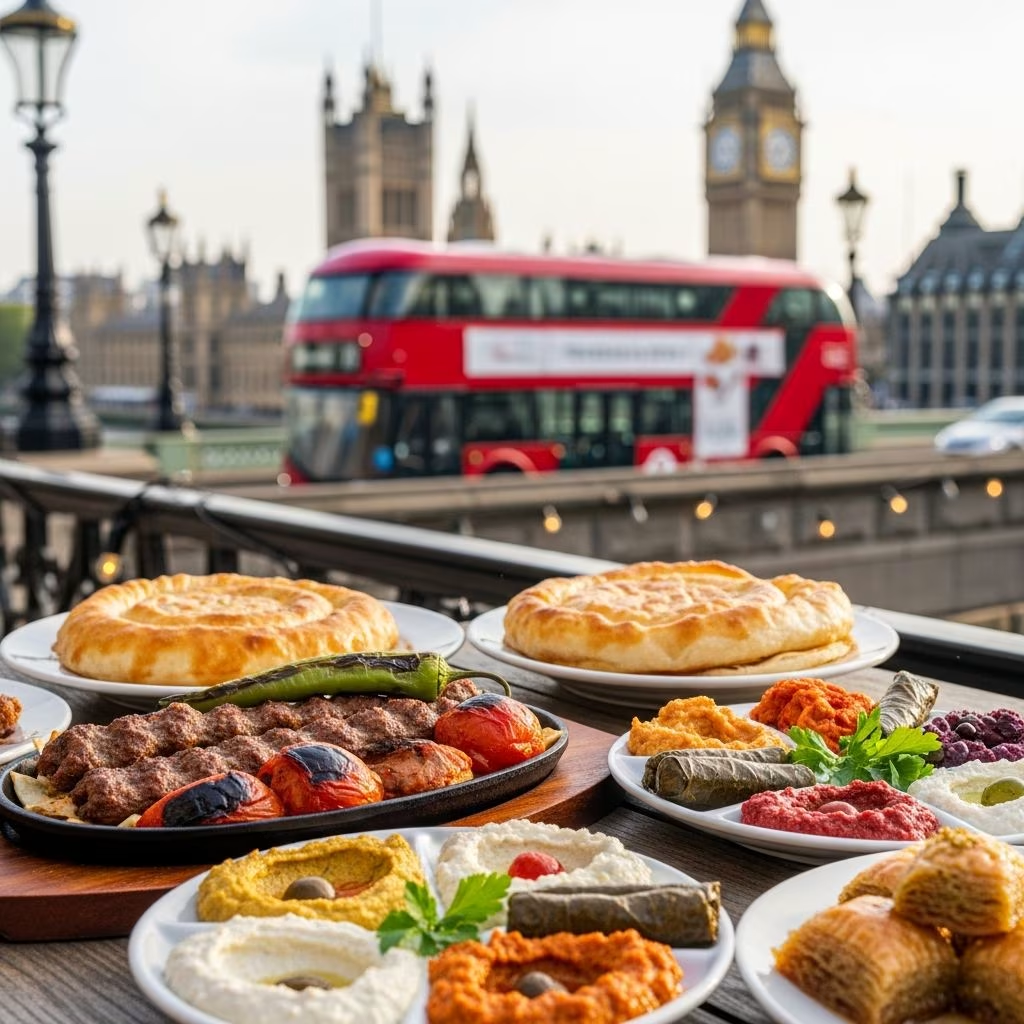
Today’s Turkish restaurants in London showcase a spectrum from street-style doner to refined charcoal-grilled specialties. The ocakbaşı style, where chefs grill meats at open mangals, fosters an interactive dining experience that draws diverse crowds.
Adana Kebab: Minced lamb seasoned with chili, parsley, and sumac, skewered and charred for juicy intensity. Often wrapped in lavash with onions and peppers.
Chicken Shish: Marinated cubes grilled to perfection, evoking Ottoman sword skewers.
Meze Selection: Starters like smoky eggplant (babaganoush), hummus, and zucchini fritters set the stage for mains. These small plates encourage sharing, mirroring Turkish hospitality.
In Little Istanbul enclaves like Haringey, these dishes unite Turkish Cypriots, Kurds, and newcomers over the grill’s glow.
Neighborhood Hotspots: Where to Find Authentic Tastes
London’s Turkish scene spans boroughs, each with distinct vibes:
- Soho: Historic roots; remnants of The Istanbul vibe in modern spots blending Turkish with fusion.
- Dalston and Haringey: ‘Little Istanbul’ hubs packed with family-run ocakbaşı, buzzing post-pub crowds and families alike.
- Green Lanes: Endless strip of eateries offering 24/7 service, from pide (Turkish pizza) to baklava.
- East London: Trendier interpretations with Ottolenghi-inspired twists on sumac and tahini.
These areas thrive on intergenerational recipes, where second-generation owners innovate while honoring traditions like the mangal’s ritualistic fire-tending.
The Social Glue: Turkish Food as Community Anchor
Beyond plates, Turkish grill houses serve as social levellers. In diverse London, they host birthdays, matches screenings, and iftars, drawing locals, expats, and tourists. The ocakbaşı’s open flame symbolizes warmth, much like Ottoman palace kitchens that fed diverse empires.
Immigrant stories fuel this resilience: From 1940s pioneers navigating post-war Britain to 1970s boom amid economic shifts, Turkish food adapted, becoming Britain’s post-nightlife staple.
Modern Evolutions and Global Influences
While rooted in history, London’s Turkish scene innovates. Chefs incorporate local ingredients—British lamb on Turkish skewers—and global trends like plant-based doners. The Ottoman influence extends to desserts: sticky baklava and rosewater lokum rival any patisserie.
Sustainability drives change too, with mangals using efficient charcoals and zero-waste meze from seasonal produce. This evolution ensures Turkish food remains relevant in a city of 9 million tastes.
Health and Cultural Nuances in Turkish Dining
Turkish meals balance grilled proteins with fresh salads and fermented yogurt, aligning with Mediterranean diet principles. Doner wraps pack veggies and sauces, offering portable nutrition. Cultural rituals, like breaking pide during tea time, foster mindfulness.
Frequently Asked Questions (FAQs)
What is the oldest Turkish restaurant in the UK?
The Istanbul in Soho, opened in the 1940s, holds that distinction.
Why are kebabs so popular in London?
Originating from Turkish grilling traditions, they exploded in the 1970s as affordable, flavorful options for diverse communities.
What makes ocakbaşı restaurants special?
The open mangal grill creates a theatrical, communal atmosphere centered on fresh, smoky meats.
How has Ottoman cuisine shaped modern Turkish food?
It introduced staples like dolma and pilaf, blending imperial sophistication with everyday accessibility.
Best neighborhoods for Turkish food in London?
Haringey, Green Lanes, and Dalston offer authentic, vibrant options.
Practical Tips for Your Turkish Food Adventure
Visit midweek to avoid crowds, pair kebabs with ayran, and try meze platters for variety. Vegetarians rejoice in stuffed veggies and fritters—proving Turkish cuisine’s inclusivity.
References
- From Soho to Everywhere: The Rise of the Kebab Shop in the UK — MeatEx.co.uk. 2024-08-28. https://meatex.co.uk/2024/08/28/the-oldest-kebab-shop-in-the-uk-a-meat-industry-marvel/
- The Unifying Power of London’s Turkish Grill Houses — Saveur. 2019-10-17. https://www.saveur.com/londons-turkish-grillhouses/
- Ottoman cuisine — Wikipedia. N/A. https://en.wikipedia.org/wiki/Ottoman_cuisine
- Bosphorus Kebabs – New Year & New Success in London — New Year New Success in London (WordPress). 2022-03-26. https://newyearnewsuccessinlondon.wordpress.com/2022/03/26/bosphorus-kebabs/
On This Page
Roots of Turkish Culinary Presence in Britain Ottoman Legacy: The Foundation of Flavors Iconic Dishes Dominating London Menus Neighborhood Hotspots: Where to Find Authentic Tastes The Social Glue: Turkish Food as Community Anchor Modern Evolutions and Global Influences Health and Cultural Nuances in Turkish Dining Frequently Asked Questions (FAQs) Practical Tips for Your Turkish Food Adventure← Previous
Bilt Palladium Card Review: Premium Rewards for Renters
Next →
Cairo’s Underground Dining Scene: Supper Clubs, Pop-Ups & Fusion Food
Related Reading
More in Food & Culture
Food & Culture Food & Culture
 Food & Culture
Best Places to Eat in Rome: Neighborhood Dining Guide
 Food & Culture
 Food & Culture