


 Food & Culture
Food & Culture
A Guide to Welsh Food: Traditions, Ingredients & Regional Flavors
Explore Wales' food culture via traditional ingredients, artisan crafts, and regional specialties that blend history with modern innovation.
 Food & Culture
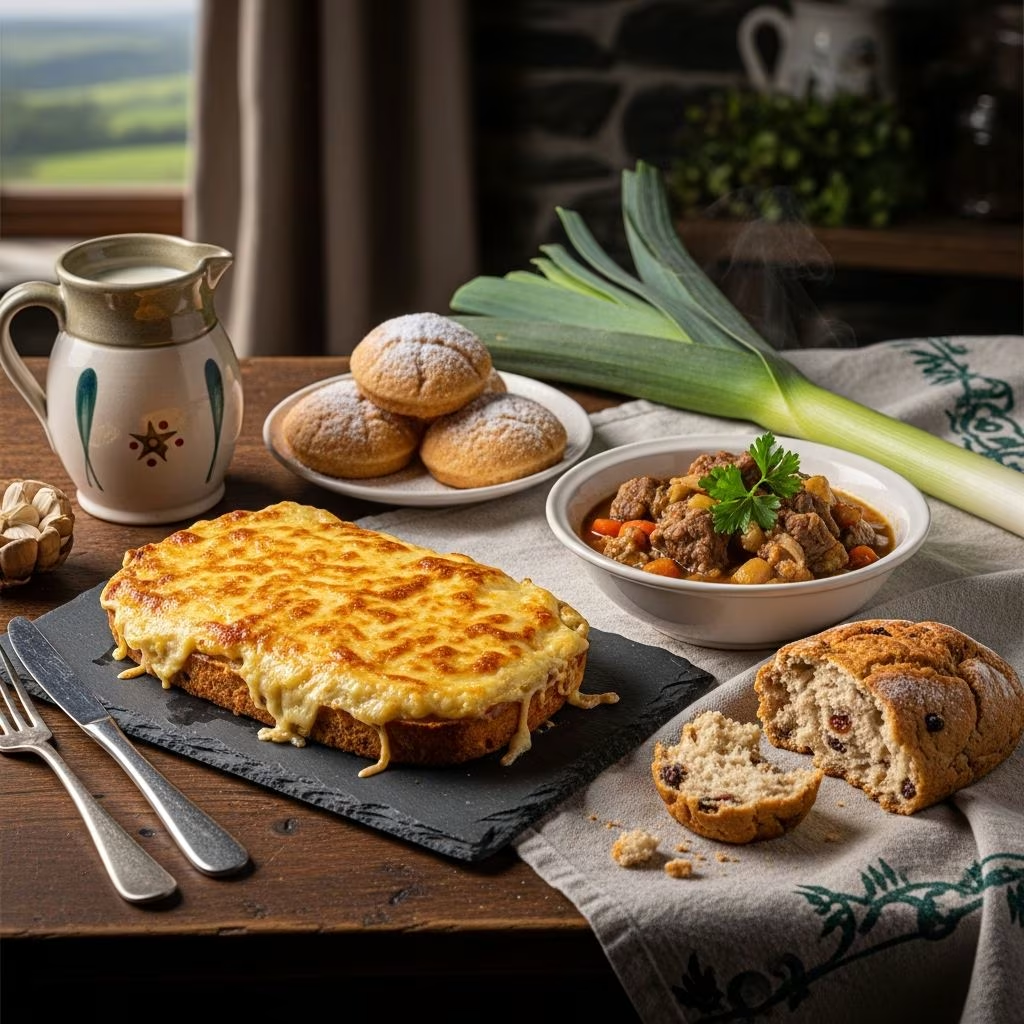
Wales, with its rugged landscapes and coastal bounty, has nurtured a food culture deeply intertwined with its history and environment. This article delves into the heart of Welsh gastronomy, highlighting unique ingredients, dedicated artisans, and timeless recipes that continue to captivate palates worldwide.
The Foundations of Welsh Food Heritage
At the core of Welsh cooking lies a profound connection to the land and sea. For centuries, communities have relied on what the terrain provides, from fertile valleys producing hearty vegetables to wild coasts yielding seafood riches. This self-sufficiency fostered dishes that emphasize simplicity and bold flavors.
Traditional staples include oats, barley, and leeks, which appear in everyday meals and festive spreads alike. Oats form the base of cawl, a nourishing lamb and vegetable stew simmered for hours to extract deep, comforting tastes. Leeks, a national emblem, star in soups and pies, their mild onion-like sweetness enhanced by local butter.
- Oats: Versatile grain used in porridges, cakes, and breads.
- Barley: Key in broths and fermented drinks.
- Leeks: Essential in soups, salads, and as a vegetable side.
Seaweed: Wales’ Coastal Superfood
One of the most distinctive elements of Welsh cuisine is its use of seaweed, harvested from pristine Atlantic waters. Varieties like laver (porphyra umbilicalis) and dulse bring umami depth to dishes. Laverbread, a puree of laver cooked with oatmeal, is a breakfast favorite, often fried into crispy patties called bara lawr.
Historically, seaweed sustained coastal dwellers during harsh winters. Today, foragers and small-scale producers revive these practices, promoting seaweed’s nutritional benefits—rich in iodine, vitamins, and minerals. Chefs pair it with cockles in the classic ‘cockles and laverbread’ from Swansea Market.
| Seaweed Type | Flavor Profile | Common Uses |
|---|---|---|
| Laver | Earthy, oceanic | Laverbread, sauces |
| Dulse | Salty, chewy | Snacks, salads |
| Carragheen | Mild, thickening | Desserts, jellies |
Lamb and Rare Breed Meats
Welsh lamb stands out for its superior quality, grazed on hill farms where sheep roam freely on nutrient-packed grasses. Breeds like the Welsh Mountain produce tender, flavorful meat with a distinctive taste influenced by wild herbs and heather.
Beyond lamb, rare breeds such as Glamorgan sausages—vegetarian patties of cheese, leeks, and herbs mimicking pork sausages—showcase ingenuity. These ‘sausages’ without meat highlight Caerphilly cheese, a crumbly white variety from southeastern farms.
Cheeses and Dairy Delights
Wales boasts over 400 cheesemakers, many crafting small-batch varieties from local milk. Caerphilly offers a fresh, lactic tang, while aged cheddars from Snowdonia develop nutty complexity. Blue cheeses like Gorwydd infuse creaminess with sharp veins.
Dairy extends to ice creams made from Jersey cow milk and yogurts infused with seasonal fruits. Artisan producers experiment with seaweed or honey, blending tradition with innovation.
Bread, Cakes, and Sweet Treats
Baking traditions thrive in Wales, with Welsh cakes (pice ar y maen) griddled on bakestones. These spiced, currant-studded disks are enjoyed with butter or as teatime snacks. Bara brith, a fruit loaf soaked in tea, embodies hospitality.
Seasonal sweets include scones with clotted cream and blackberry jam from hedgerows. Oggies, giant pasties from the mining valleys, pack meat and veg into portable meals.
Markets and Artisan Producers
Weekly markets pulse with life, from Cardiff’s central market to Abergavenny’s food festival. Here, meet producers like those crafting Welsh Black beef or oyster farmers from Cardigan Bay.
Spotlight on innovators: seaweed harvesters in Pembrokeshire supply restaurants nationwide, while beekeepers in mid-Wales yield heather honey for drizzling over cheeses.
Modern Twists on Classic Recipes
Contemporary chefs elevate Welsh fare. In fine-dining spots, lamb shoulder confits with nettle pesto, or seaweed-infused risottos. Street food scenes feature gourmet oggies with ethical meats.
Sustainability drives this evolution—farmers adopt regenerative practices, reducing carbon footprints while enhancing soil health for better produce.
Regional Variations Across Wales
North Wales: Mountain Meats and Seafood
Snowdonia’s peaks yield lamb and venison; coastal towns offer mussels and crab.
South Wales: Industrial Heartland Bakes
Valleys inspire hearty pies and laverbread stalls.
Mid Wales: Dairy and Foraged Goods
Farms produce cheeses; forests provide berries and fungi.
West Wales: Coastal and Organic Focus
Pembrokeshire excels in seafood and organic veg.
Pairing with Welsh Drinks
Complement meals with local ciders from orchards, or craft beers from microbreweries using barley malt. Penderyn whisky, distilled from peated barley, offers smoky notes. Non-alcoholic options include elderflower presses and perry.
Planning Your Welsh Food Journey
Visit during festivals like the Wales Food Festival or haymaking season for freshest picks. Stay at farm guesthouses for immersive experiences, joining cooking classes or foraging walks.
Frequently Asked Questions (FAQs)
What is the national dish of Wales?
Cawl, a lamb and vegetable stew, is widely regarded as such.
Where to find the best laverbread?
Swansea Market offers authentic preparations.
Are Welsh cheeses suitable for vegetarians?
Many, like Caerphilly, use vegetarian rennet.
What’s unique about Welsh lamb?
Its free-range grazing on diverse pastures imparts exceptional flavor.
Can I forage seaweed in Wales?
Yes, with guided tours for safety and sustainability.
References
- Welsh Food Stories — Carwyn Graves. 2022-08-01. https://carwyngraves.com/on-welsh-food-stories/
- Welsh Food Stories – Strong Sense of Place — Strong Sense of Place. 2022. https://strongsenseofplace.com/books/welsh_food_stories_graves/
- Welsh Food Stories review: a grand tour of Welsh produce — Buzz Magazine. N/A. https://www.buzzmag.co.uk/welsh-food-stories-carwyn-graves-book-review/
On This Page
The Foundations of Welsh Food Heritage Seaweed: Wales' Coastal Superfood Lamb and Rare Breed Meats Cheeses and Dairy Delights Bread, Cakes, and Sweet Treats Markets and Artisan Producers Modern Twists on Classic Recipes Regional Variations Across Wales Pairing with Welsh Drinks Planning Your Welsh Food Journey Frequently Asked Questions (FAQs)← Previous
Lake Garda and Brenta Dolomites Adventure Guide
Next →
Hidden Statues of Washington DC: Secret Monuments to Discover
Related Reading
More in Food & Culture
Food & Culture Food & Culture
 Food & Culture
Best Places to Eat in Rome: Neighborhood Dining Guide
 Food & Culture
 Food & Culture