

 Travel Essentials
 Travel Essentials

Explore essential tips, etiquette, and top destinations for first-time visitors to Aboriginal art centres, immersing in authentic cultural experiences and artistry.
 Travel Essentials
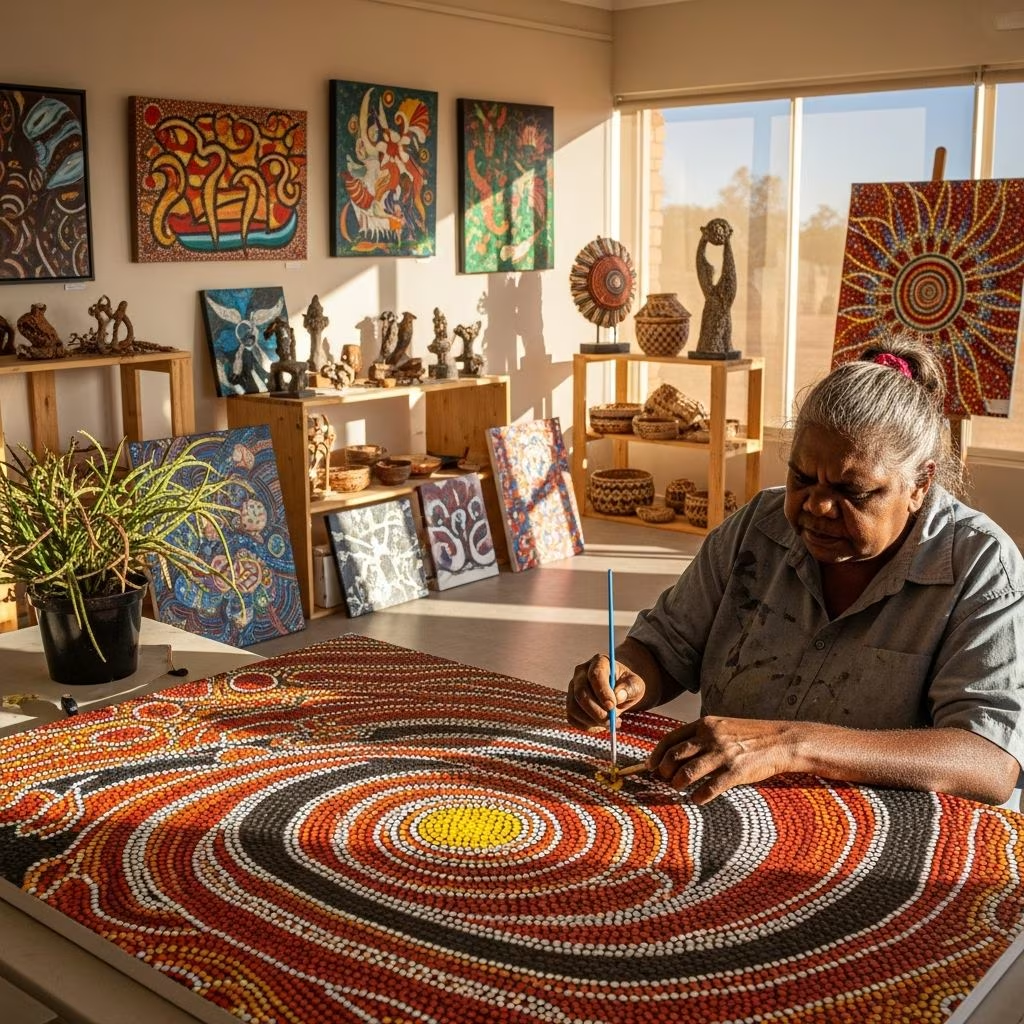
Aboriginal art centres serve as vital community spaces where Indigenous artists create, display, and sell works that embody thousands of years of cultural heritage. These hubs offer travelers a unique opportunity to witness living traditions and connect directly with creators.
Spread across remote regions, particularly in the Northern Territory, these centres are more than galleries; they are social and economic focal points for entire communities. Artists of all ages gather here to paint, weave, sculpt, and share stories embedded in their works, fostering intergenerational knowledge transfer.
From ochre-painted canvases depicting Dreamtime narratives to intricate pandanus baskets, the diversity reflects regional styles and materials. Visiting provides an authentic glimpse into contemporary Indigenous life, distinct from staged tourist performances.
Before heading out, confirm operating hours, as many centres close on weekends or follow community schedules. Plan to arrive early morning or late afternoon to avoid peak times and allow 2-3 hours for a thorough exploration.
Start in the showroom, a curated space showcasing a spectrum of media including paintings, prints, sculptures, and textiles. Works vary in price based on artist experience and complexity, with fixed pricing ensuring fair artist compensation.
Ask staff about profit-sharing models—reputable centres direct proceeds back to artists and communities. Take time to absorb the visual array; don’t rush decisions on purchases.
Next, move to active studios and outdoor areas. Observe women weaving under verandas or men painting in shaded spots. This ‘behind-the-scenes’ view reveals techniques passed down through generations.
Approach with respect: Greet quietly upon arrival, then sit patiently at a distance. Many artists are reserved, especially with newcomers. Silence allows them to work uninterrupted, often leading to natural conversations about inspirations or techniques.
| Do’s | Don’ts |
|---|---|
| Greet politely and observe silently | Interrupt or photograph without permission |
| Ask questions after rapport builds | Bargain on prices or rush artists |
| Express genuine interest | Arrive in large, noisy groups |
Aboriginal art originates from ancient rock paintings dating back over 30,000 years, evolving into modern forms that map Country, ancestral beings, and daily life. Each piece encodes cultural knowledge, making purchases a way to own a fragment of history.
Regional variations abound: Central Desert dot paintings symbolize waterholes and journeys, while Arnhem Land bark art features X-ray animal styles. Learning these contexts deepens appreciation.
The Northern Territory hosts some of the most renowned centres, often near national parks for combined itineraries.
For Alice Springs visitors, half-day tours visit multiple galleries, ideal for collectors. Remote tours to Utopia region or Balgo offer deeper immersion.
Buying from centres ensures authenticity and fair trade—unlike urban galleries, you support communities economically. Certificates of authenticity verify provenance.
Consider your space and budget: Start with prints or small weaves. High-end pieces from established artists appreciate in value, appealing to collectors.
Guided experiences amplify visits: Learn didgeridoo playing or spear-throwing alongside art viewing. Multi-day safaris visit outstations like Papunya or Yuendumu, blending art with landscape.
These tours provide cultural context from knowledgeable guides, enhancing understanding of art’s role in identity and survival.
Most operate weekdays; check websites for community holidays or events.
Always ask permission from artists and staff; cultural protocols vary.
Centres provide certificates; inquire about artist bios and centre accreditation.
No—prices are fixed to ensure artist royalties.
Observe respectfully; staff can translate stories behind works.
As global interest grows, visitors must prioritize cultural sensitivity. These centres sustain traditions amid modernization, making your mindful presence invaluable.
Extend your trip with nearby rock art sites, connecting ancient origins to today’s canvases.
