


 Food & Culture
Food & Culture
Abruzzo Wine Travel Guide: Mountains, Sea & Montepulciano
Explore Abruzzo, Italy's best-kept secret, featuring stunning national parks, diverse wine regions, and pristine coastal beaches between the Apennines and Adriatic.
 Food & Culture
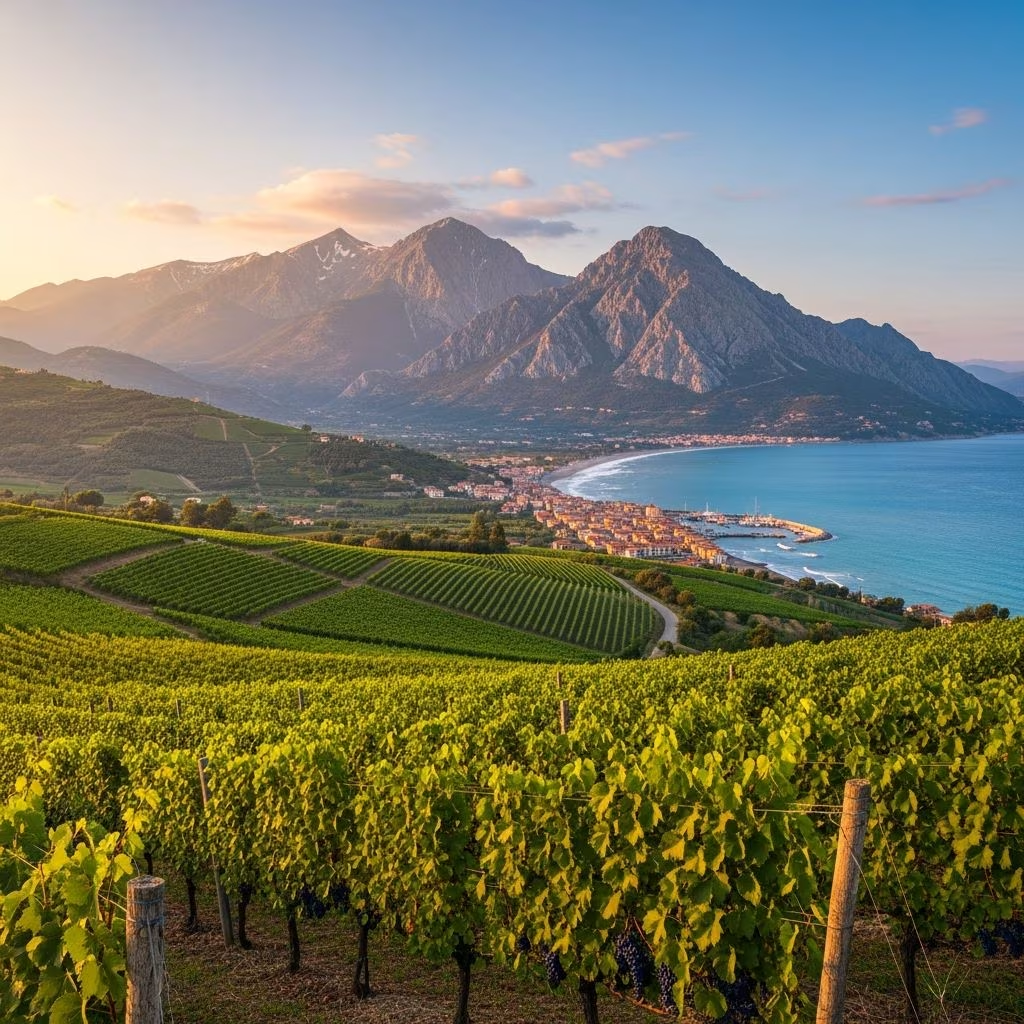
Nestled between the rugged Apennine Mountains and the sparkling Adriatic Sea, Abruzzo represents one of Europe’s most compelling yet underappreciated destinations. Located just two hours east of Rome, this Italian region seamlessly blends dramatic natural beauty with a thriving wine culture that has flourished for millennia. With more protected land than any other region in Italy, Abruzzo has earned its designation as the “green lung of Italy,” a testament to its commitment to preserving its extraordinary ecosystems while producing some of the continent’s finest wines.
The Geographic Advantage: Where Mountains Meet Sea
What makes Abruzzo truly exceptional is its unique geographic position. The region spans merely 30 miles from the snow-capped Apennines to the crystalline Adriatic coastline, creating a natural laboratory for viticulture. This compressed geography generates multiple microclimates and diverse soil compositions that contribute to the complexity and quality of local wines. The Apennine mountains act as a protective barrier, shielding vineyards from harsh northern winds, while the sea moderates temperatures through seasonal breezes known locally as the “brezza di terra.” This combination ensures abundant sunshine during growing seasons while cool nights preserve the natural acidity and aromatic qualities of the grapes.
The region’s landscape encompasses more than 50% protected natural areas, including several national parks and nature reserves. This extensive preservation network not only safeguards native flora and fauna, including the critically endangered Marsican brown bears and native wolves, but also creates a natural buffer that protects vineyards from increasingly severe weather events linked to climate change.
Diverse Wine Regions and Production Areas
Abruzzo’s wine production is distributed across four primary provinces, each offering distinct characteristics shaped by elevation, proximity to the sea, and historical winemaking traditions.
Geographic Wine Zones
- L’Aquila: Located in the mountainous western portion of the region, this zone features inland basins with a continental climate, producing wines with particular complexity and structure.
- Teramo: Positioned in the northern coastal area, this region experiences milder conditions due to Adriatic influences, contributing to more delicate wine profiles.
- Chieti: The southern coastal province represents the largest production area in Abruzzo, benefiting from optimal growing conditions and producing the majority of regional wine output.
- Pescara: Situated between Teramo and Chieti, this smaller zone combines maritime influences with strategic elevation for balanced wine development.
Montepulciano: The Signature Varietal
While Abruzzo produces diverse wines including the elegant white Trebbiano and the crisp Pecorino, Montepulciano dominates regional production with over 80% of vineyard acreage dedicated to this varietal. This deep ruby-hued wine displays velvety tannins and complex flavor profiles that reflect the region’s terroir. The 250 wineries operating throughout Abruzzo, combined with over 10,000 individual growers, create a dynamic production landscape where modern techniques meet traditional methods.
A significant portion of Abruzzo’s wine production—approximately 75%—flows through cooperative organizations that support smaller growers. These 35 regional cooperatives range from operations managing fewer than 100 growers to massive organizations coordinating over 1,000 producers, ensuring that family-scale viticulture remains economically viable while maintaining quality standards.
Premier Winemaking Destinations
Beyond mass production, Abruzzo hosts numerous distinguished wineries that showcase the region’s premium potential. Several properties combine remarkable architecture with sustainable practices and exceptional hospitality. One notable establishment spans 100 hectares of organically farmed vineyards surrounded by mountains, with an underground winery designed to preserve the natural landscape. This facility crafts sophisticated wines including a distinguished Trebbiano d’Abruzzo DOC Riserva featuring notes of wild berries and spice with elegant, structured tannins.
Another family-operated winery located within the boundaries of Parco Nazionale del Gran Sasso e Monti della Laga holds the unique distinction of being the only estate permitted to display the national park name on its label. This winery manages 80 planted hectares and pioneered single-varietal bottling of Pecorino in Abruzzo. Their flagship wines, including a Pecorino DOP that undergoes six months of aging on fine lees in stainless steel, exemplify the region’s potential for producing internationally competitive white wines.
Overlooking the Gulf of Vasto in southern Abruzzo, another prestigious property encompasses 37 acres of organic vineyards and serves as a popular destination for both local and international visitors seeking wine tourism experiences.
National Parks and Protected Landscapes
Abruzzo’s commitment to environmental stewardship distinguishes it from most European wine regions. The 123,000-acre National Park of Abruzzo, Lazio, and Molise represents one of Italy’s most significant protected ecosystems, featuring the 89,000-acre Gran Sasso e Monti della Laga park that stretches from the Adriatic to the Apennines. These protected areas preserve critical habitats for numerous species while creating stunning backdrops for wine tourism and outdoor recreation.
Beyond wine country, the region offers diverse attractions including medieval mountain towns, alpine lakes, and the distinctive trabocchi fishing huts that line the Trabocchi Coast. Many of these traditional structures have been converted into restaurants, allowing visitors to experience authentic regional cuisine while overlooking turquoise waters.
Coastal Experiences and Beach Culture
Abruzzo’s 89-mile Adriatic coastline provides pristine beaches and crystalline waters that contrast beautifully with inland mountain scenery. The Trabocchi Coast, recognized for its unique wooden fishing platforms and vibrant seafood culture, has evolved into a premier destination for slow travel and sustainable tourism. Numerous beach clubs and public beaches offer opportunities for relaxation and water activities, particularly during shoulder seasons when crowds remain minimal.
Specific coastal destinations include San Vito, where iconic trabocchi jut from the shoreline like traditional docks, and numerous sandy beaches with turquoise waters ideal for swimming and water sports. The combination of excellent regional cuisine, fresh seafood, and welcoming hospitality creates memorable coastal experiences.
Seasonal Activities and Year-Round Appeal
Abruzzo functions as a four-season destination with distinct attractions throughout the year. The mountainous regions, including areas within Maille National Park, transform into premier ski destinations during winter months, while summer hiking opportunities showcase spectacular alpine scenery. Spring visitors experience the transumanza, a traditional shepherding practice where Abruzzo’s pastoral communities move flocks from lowlands to mountain pastures following ancient routes.
Autumn harvest seasons coincide with ideal weather for wine touring and outdoor exploration, while coastal areas remain pleasant throughout the year for beach activities and seaside dining.
Regional Wine Recognition and Industry Growth
Abruzzo’s wines have gained international recognition, culminating in prestigious accolades including Wine Enthusiast’s Wine Star Awards, where the region earned recognition as Region of the Year in 2022. This achievement reflects decades of quality improvements and modernization of viticulture and winemaking methods that began in earnest during the 1950s and 1960s.
The region’s 34,000 hectares of vineyards produce wines spanning multiple categories and price points, from cooperative-produced everyday wines to premium bottles commanding international attention. This diversity ensures accessibility for various consumer preferences while maintaining quality standards throughout production levels.
Visitor Experience and Hospitality
Abruzzo remains refreshingly untouched by excessive tourism despite its growing international recognition. This authenticity translates into genuine hospitality experiences where visitors interact with local communities in meaningful ways. The region’s emphasis on slow travel, sustainable food and wine practices, and welcoming local hospitality creates distinctive experiences unavailable in more heavily touristed regions.
Numerous wine estates offer guided tastings, vineyard tours, and food pairings that educate visitors about regional terroir and winemaking traditions. Many accommodations range from family-run agriturismos to boutique hotels that provide comfortable bases for wine country exploration.
Culinary Traditions and Food-Wine Pairing
Abruzzo’s rich culinary heritage complements its exceptional wines perfectly. Regional specialties featuring fresh seafood along the coast and robust mountain dishes inland create natural pairings with local wines. The region’s olive groves, herbs, and traditional cooking methods reflect centuries of agricultural expertise and cultural continuity.
Why Choose Abruzzo for Your Next Wine Vacation
| Aspect | Abruzzo Advantage |
|---|---|
| Natural Beauty | 50%+ protected land with national parks, mountains, and pristine coastline |
| Wine Quality | International recognition including Wine Star Awards 2022 |
| Vineyard Access | 250 wineries offering tours, tastings, and hospitality experiences |
| Tourism Level | Remains authentically unspoiled and uncrowded compared to mainstream regions |
| Seasonal Options | Winter skiing, spring shepherding traditions, summer beaches, autumn harvests |
| Value Proposition | Premium experiences at more accessible price points than famous regions |
Planning Your Abruzzo Adventure
Best Time to Visit
While Abruzzo welcomes visitors year-round, each season offers distinct advantages. Spring and autumn provide optimal weather for wine touring and outdoor exploration. Summer suits beach enthusiasts and those seeking warm Mediterranean experiences. Winter attracts skiers and travelers seeking alpine scenery and festive holiday atmospheres.
Transportation and Access
Located two hours east of Rome via automobile, Abruzzo remains easily accessible for international visitors flying into major Italian airports. Regional roads connect wine estates, national parks, and coastal destinations efficiently. Public transportation options include trains and buses linking major towns.
Accommodation Options
Abruzzo offers diverse lodging choices accommodating various preferences and budgets. Wine estate hotels provide immersive experiences within vineyard settings, while coastal resorts capitalize on beach access and seafood dining. Mountain lodges offer alpine scenery and hiking proximity, and family-run agriturismos provide authentic rural experiences.
Frequently Asked Questions
What is Montepulciano d’Abruzzo?
Montepulciano d’Abruzzo is Abruzzo’s signature red wine, made from the Montepulciano grape varietal that covers over 80% of regional vineyards. It displays characteristic ruby coloration, velvety tannins, and complex flavor profiles reflecting the region’s diverse terroirs.
Are Abruzzo wines expensive?
Abruzzo offers wines across all price ranges. Cooperative-produced wines remain affordable, while premium estate bottlings command higher prices. The region generally offers excellent value compared to more famous Italian wine regions.
Can I visit wineries without advance reservations?
While some wineries welcome walk-in visits, advance reservations ensure guided experiences, tastings, and food pairings. Many estates prefer scheduled appointments to provide optimal hospitality.
What wildlife might I encounter in national parks?
Abruzzo’s protected areas harbor native wolves and the critically endangered Marsican brown bears. More commonly observed species include various bird species, deer, and smaller mammals. Guided park tours provide educational wildlife experiences with experienced naturalists.
Is Abruzzo suitable for non-wine tourists?
Absolutely. Abruzzo appeals to diverse interests including beach vacationers, mountain hikers, history enthusiasts exploring medieval towns, and culinary travelers seeking authentic regional cuisine. Wine tourism represents one attraction among many.
References
- Abruzzo: Between the Mountains and the Sea — Please The Palate. Accessed April 2026. https://pleasethepalate.com/abruzzo-between-the-mountains-and-the-sea/
- From the Mountains to the Sea, A New Generation is Redefining Abruzzo Wine — The Wine Chef. Accessed April 2026. https://www.thewinechef.com/blog/from-the-mountains-to-the-sea-a-new-generation-is-redefining-abruzzo-wine
- The Best Wineries in Abruzzo, Italy — Veranda. Accessed April 2026. https://www.veranda.com/travel/a44225557/best-wineries-abruzzo-italy/
- Undiscovered Abruzzo Italy: Where Tradition Meets Tranquility — Wander with Wonder. Accessed April 2026. https://www.wanderwithwonder.com/undiscovered-abruzzo-italy/
- Abruzzo on Italy’s East Coast and Montepulciano — Crushed Grape Chronicles. Accessed April 2026. https://www.crushedgrapechronicles.com/abruzzo-on-italys-east-coast-and-montepulciano/
- A Local’s Guide to Abruzzo — Italy Segreta. Accessed April 2026. https://italysegreta.com/italys-best-kept-secret-abruzzo/
- Abruzzo: A Magnificent Slice of Italy, Unspoiled by Tourism — Cooks Without Borders. Accessed April 2026. https://cookswithoutborders.substack.com/p/abruzzo-a-magnificent-slice-of-italy
- The Ultimate Abruzzo Travel Guide — Experience BellaVita. Accessed April 2026. https://experiencebellavita.com/the-ultimate-guide-to-visit-the-abruzzo-abruzzi-region-in-italy/
On This Page
The Geographic Advantage: Where Mountains Meet Sea Diverse Wine Regions and Production Areas Montepulciano: The Signature Varietal Premier Winemaking Destinations National Parks and Protected Landscapes Coastal Experiences and Beach Culture Seasonal Activities and Year-Round Appeal Regional Wine Recognition and Industry Growth Visitor Experience and Hospitality Culinary Traditions and Food-Wine Pairing Planning Your Abruzzo Adventure Frequently Asked Questions← Previous
Ice Skating in Banff National Park: Best Rinks, Lakes & Safety Tips
Next →
Best California State Parks for Redwoods, Coastlines & Desert Views
Related Reading
More in Food & Culture
Food & Culture Food & Culture
 Food & Culture
Best Places to Eat in Rome: Neighborhood Dining Guide
 Food & Culture
 Food & Culture