

 Travel Essentials
 Travel Essentials

Complete guide to traveling Japan with mobility challenges, covering transportation, attractions, accommodations, and practical tips for accessible exploration.
 Travel Essentials
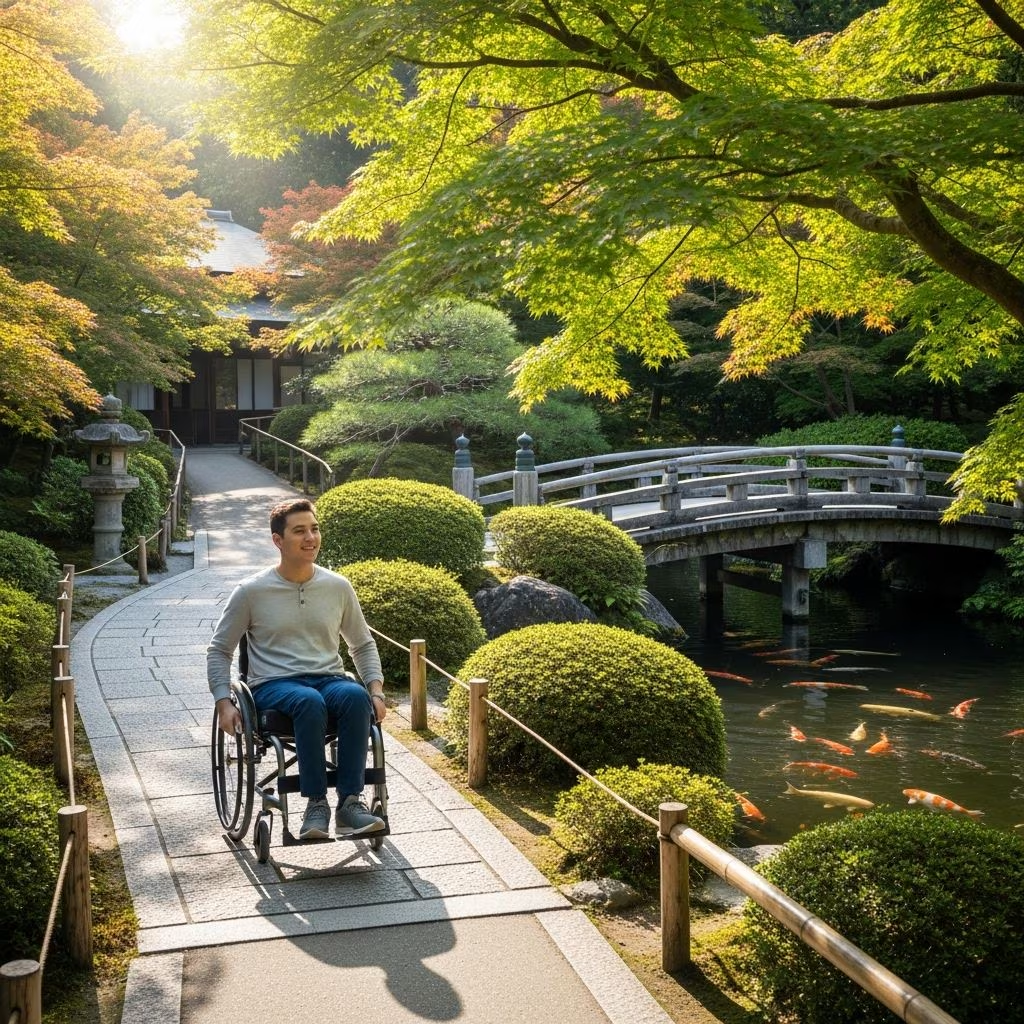
Japan has emerged as one of Asia’s most progressive destinations for travelers with mobility challenges, combining cutting-edge infrastructure with a deep cultural commitment to accessibility. Whether you use a wheelchair, mobility scooter, or other assistive devices, Japan offers practical solutions across its major cities and transportation networks. This guide provides detailed information to help you plan a comfortable and enjoyable journey throughout the country.
Japan’s approach to accessibility, known locally as “barrier-free” travel, represents decades of infrastructure investment and continuous improvement. The nation has prioritized the removal of physical obstacles in public spaces, transportation hubs, and commercial areas. Approximately 95 percent of Japan’s train stations now feature full accessibility accommodations, with ongoing efforts to enhance facilities at remaining locations.
However, accessibility varies significantly between modern urban centers and older districts. Contemporary buildings, shopping malls, and recently developed areas typically feature excellent wheelchair navigation capabilities, including spacious corridors, elevators with accessible buttons, and modern restroom facilities. Conversely, older establishments in traditional neighborhoods may present challenges due to narrow layouts, steps, and limited maneuvering space.
For travelers using large power wheelchairs, Japan can present some maneuvering difficulties in certain locations, though major attractions and transportation hubs generally accommodate standard wheelchair sizes. Considering a compact wheelchair model can significantly improve navigability in Japanese cities and historical areas.
The Shinkansen network represents one of Japan’s most impressive accessibility achievements. Many Shinkansen cars include designated wheelchair spaces with accessible seating configurations and multipurpose restrooms featuring wide doors, grab bars, and level entryways. Advanced planning is essential; passengers requiring wheelchair accommodations should reserve designated wheelchair seats or multipurpose compartments well in advance.
Station staff at major Shinkansen terminals provide exceptional assistance, employing portable boarding ramps to facilitate smooth transitions from the platform to train cars. Importantly, this support coordination extends to destination stations, where staff members assist passengers during disembarkation, creating a seamless travel experience across Japan’s most iconic transportation network.
Tokyo Metro, Osaka Metro, and other major city subway systems have undergone extensive modernization to accommodate wheelchair users. Nearly all stations in these networks now feature elevators, tactile paving for visually impaired travelers, and barrier-free restrooms. Station staff receive training in assisting passengers with mobility challenges, ensuring organized and secure travel experiences.
Tokyo Metro and Osaka Metro websites offer comprehensive accessibility databases for each station, displaying elevator locations, ramp availability, and accessible restroom facilities. Google Maps’ “accessible route” feature provides accurate real-time information for planning barrier-free journeys through these extensive networks. JR East and Tokyo Metro maintain dedicated staff equipped with portable ramps specifically designed for passenger boarding assistance.
Major cities including Tokyo, Osaka, and Yokohama have increasingly equipped their bus fleets with low-floor designs and integrated ramps, facilitating wheelchair boarding. Designated interior spaces allow comfortable positioning during transit. Smaller regional towns may not yet feature these accommodations on all routes, though the national improvement trajectory continues steadily.
The Japan Railways network represents one of the world’s most advanced examples of accessible transportation integration, combining modern infrastructure with attentive customer service across multiple transport modes.
Accessible taxi services have proliferated throughout Japan’s major metropolitan areas, providing flexible alternatives to fixed-route public transportation. These vehicles feature specially designed ramps or hydraulic lifts, enabling wheelchair users to enter and exit independently. Toyota’s “JapanTaxi” model, inspired by London’s iconic black cabs, dominates the accessible taxi market, offering spacious interiors accommodating one wheelchair user and a companion.
JapanTaxi services can be hailed on city streets or pre-booked through the JapanTaxi mobile application, providing advance-booking security for travelers requiring guaranteed accessible transportation. Because accessible taxi availability remains limited despite expansion, advance reservations are strongly recommended, particularly during peak travel periods.
These specialized vehicles prove invaluable when accessing attractions not directly served by public transportation networks, such as temples, shrines, and scenic locations requiring point-to-point transportation flexibility.
Tokyo exemplifies modern accessible urban development. The capital’s streets feature wide, well-maintained sidewalks equipped with curb cuts throughout business districts and residential neighborhoods. Major intersections, including the famous Shibuya Scramble, incorporate extended signal timing specifically designed for pedestrians requiring additional crossing time.
Tokyo Skytree, one of Japan’s most visited attractions, demonstrates comprehensive accessibility standards. The observation deck features elevators servicing all levels, with widely distributed accessible restrooms throughout the facility. Wheelchair rentals are available for visitors requiring additional mobility support during their visit. While the observation deck’s popularity can create crowding challenges, the facility’s structural accessibility accommodations remain exemplary.
Osaka offers an easygoing atmosphere combined with robust accessibility features. Tourist districts such as Namba, Dotonbori, and Umeda showcase wide, smooth sidewalks with clearly marked pedestrian crossings. Osaka Metro and JR West provide excellent barrier-free infrastructure, with elevators present at nearly every station and platform boarding ramps available upon request.
Shopping complexes including Ginza Six and Roppongi Hills represent modern commercial accessibility standards, featuring elevators, spacious corridors, and clearly marked accessible restroom facilities. These venues accommodate diverse accessibility needs while providing shopping and cultural experiences.
Leading Japanese attractions increasingly prioritize accessibility, recognizing the importance of inclusive tourism. TeamLab Planets Tokyo provides dedicated wheelchair routes and specialized assistance for visitors requiring additional support during immersive digital art experiences. Major shopping complexes feature comprehensive accessibility features including elevators, wide corridors, and multiple accessible restroom locations.
Cultural institutions and entertainment venues now commonly offer audio guides and tactile exhibition elements, expanding access for travelers with visual or hearing impairments. Museums, gardens, and public cultural facilities have integrated accessible restroom facilities and navigation pathways throughout their grounds, enabling meaningful engagement with Japan’s rich cultural heritage.
Train stations provide the most consistently accessible public restroom facilities throughout Japan. Every major attraction visited by wheelchair users typically maintains accessible restroom facilities, with shopping centers representing secondary reliable options, particularly in Tokyo and Osaka.
Hotels, public buildings, museums, and garden facilities throughout Japan offer wheelchair-accessible restroom accommodations. However, fast-food chains and certain commercial establishments may lack these facilities. Accessibility information available through attraction websites typically specifies restroom locations and specific accessible features. Travelers should consider carrying hand sanitizer or portable soap, as some accessible facilities may have inconsistent soap dispensing systems.
Multiple online resources facilitate accessible trip planning in Japan. Google Maps’ accessible route feature provides accurate real-time navigation guidance. Official transit websites for Tokyo Metro, Osaka Metro, and other urban systems offer station-by-station accessibility databases. JR official information portals supply comprehensive details regarding train accessibility features and advance reservation procedures for specialized accommodations.
Upon arrival in Japan, travelers should obtain information from airport assistance services regarding accessible ground transportation options. Hotel concierge services often provide valuable local knowledge regarding nearby accessible attractions, restaurants, and transportation alternatives. Staff at major train stations enthusiastically assist passengers with mobility challenges, so don’t hesitate to request help during transitions between platforms or transportation modes.
Carrying identification indicating your accessibility requirements can facilitate staff assistance and reduce communication barriers. Learning basic Japanese phrases related to accessibility (such as “accessible restroom” or “elevator location”) enhances communication with service staff who may have limited English proficiency.
Japan’s infrastructure and staff assistance make independent wheelchair travel feasible, particularly in major urban areas. Excellent public transportation accessibility, trained station staff, and modern facilities support independent navigation. However, personal assistance can enhance flexibility when visiting smaller towns or attractions with limited infrastructure.
Major attractions, hotels, and accessibility-focused service providers offer wheelchair rental options in Tokyo, Osaka, and other metropolitan areas. Advance reservations are recommended. Contact specific attractions directly to confirm availability and secure necessary equipment for your travel dates.
Older buildings, narrow traditional streets, and certain regional areas may present accessibility obstacles. Crowding at popular attractions can complicate wheelchair maneuvering. Regional public transportation outside major cities may not feature modern accessibility features. However, Japan’s rapid accessibility infrastructure expansion continuously reduces these challenges.
Contact JR ticket offices or use their official booking system to reserve wheelchair seats or multipurpose compartments. Advance notice allows staff to coordinate boarding assistance at both origin and destination stations, ensuring smooth travel experiences.
Modern temples and shrines increasingly incorporate accessibility features, particularly those in major tourist areas. However, many traditional religious sites feature steps and narrow passages limiting wheelchair access. Contact venues directly to verify specific accessibility features before planning visits.
Japan continues advancing its accessibility infrastructure through technological innovation, staff training, and facility modernization. The combination of excellent public transportation networks, specialized taxi services, modern attractions, and trained service personnel creates an increasingly welcoming environment for wheelchair travelers. While certain challenges persist in older districts and regional areas, Japan’s overall accessibility trajectory supports meaningful cultural exploration and enjoyable travel experiences for visitors with mobility challenges.
By conducting thorough pre-trip research, utilizing digital accessibility resources, and communicating directly with service providers, wheelchair users can navigate Japan confidently and discover the country’s remarkable cultural, culinary, and natural attractions without compromise.
