


 Food & Culture
Food & Culture
Aegean Wine Region of Turkey: History, Grapes & Tourism
Explore Turkey's Aegean wine region, responsible for over half the nation's production, blending 7000 years of heritage with modern innovation.
 Food & Culture
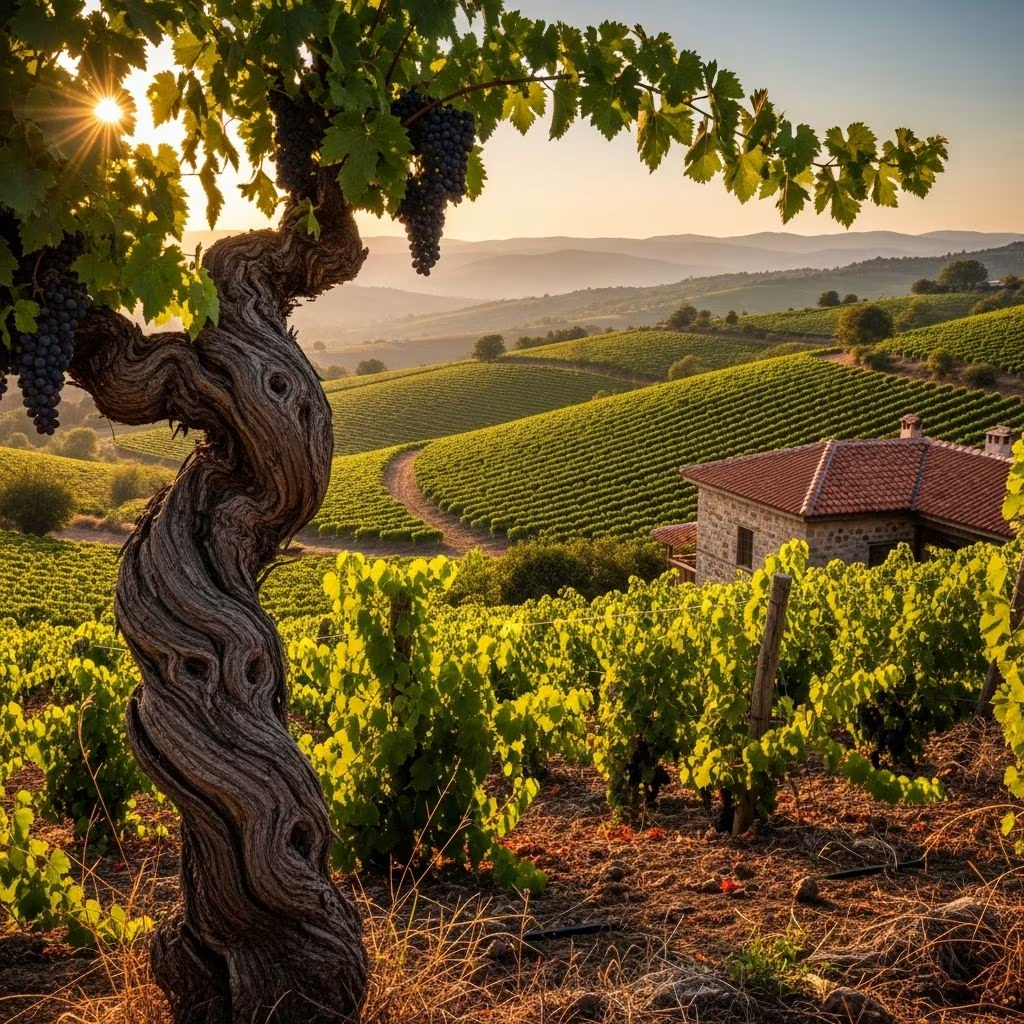
The Aegean coast of Turkey stands as one of the world’s most significant yet underappreciated wine destinations. Nestled along the Mediterranean shores, this region produces more than half of Turkey’s total wine output while maintaining a viticultural heritage that stretches back thousands of years. From the sun-drenched vineyards surrounding Izmir to the terraced slopes of Urla, the Aegean represents a compelling intersection of ancient winemaking traditions and contemporary global wine culture.
The Roots of Ancient Viticulture in Anatolia
Turkey’s relationship with wine production extends far deeper into history than most wine enthusiasts realize. Archaeological evidence demonstrates that winemaking in Anatolia began approximately 7,000 years ago, making Turkey one of the world’s oldest wine-producing civilizations. The earliest grape seeds discovered in Çayönü, located in Diyarbakır province, date back to 7000–6000 BCE, while fermentation evidence from Hacılar Höyük in the Burdur Province suggests structured wine production dating to 6000–5500 BCE.
Ancient civilizations flourished across the region, each contributing to the development of local winemaking practices. The Hittites, Greeks, Romans, and Urartians all cultivated vineyards and produced wine throughout Anatolia, benefiting from the region’s ideal combination of mountain ranges, river systems, and abundant sunshine. The Van region’s archaeological remains, particularly at Gürpınar Höyük dating to 3000 BCE, reveal sophisticated wine production facilities complete with specialized basins for processing grapes.
Despite periods of cultural and religious transition, winemaking survived through local traditions and family vineyards, demonstrating the resilience and importance of this craft to Anatolian communities. This continuity proves that wine production was never merely a commercial enterprise but an integral part of regional identity and cultural practice.
The Aegean’s Geographic and Climatic Advantages
The Aegean region benefits from exceptional geographic positioning that has made it the natural center of Turkey’s modern wine industry. Located within Turkey’s western boundaries, the Aegean zone encompasses some of the country’s most favorable terroir characteristics. The region’s climate transitions from Mediterranean conditions along the coast to more continental patterns at higher elevations, with vineyards positioned at altitudes ranging from sea level to approximately 900 meters on the Anatolian plateau.
This elevation diversity creates distinct microclimates that support varied grape cultivation. Coastal areas experience warm, dry summers and mild winters—conditions that have attracted winemakers for millennia. Inland regions benefit from cooler temperatures that preserve acidity and complexity in wines, while coastal breezes provide natural ventilation that reduces disease pressure on vineyards. The resulting wines from this region are characterized by rich fruit expression without excessive jammy qualities, making them particularly appealing to contemporary wine drinkers.
The topography itself—rolling hills transitioning to terraced vineyards—creates stunning landscapes that draw wine tourists seeking both exceptional products and memorable experiences. These scenic vineyards have become destinations in their own right, offering visitors the opportunity to combine cultural exploration with agricultural tourism.
Historical Commerce and the Ottoman Period
The Aegean’s strategic coastal position established it as a crucial trading hub during the Ottoman Empire’s reign. While Islamic principles officially discouraged alcohol consumption, Ottoman authorities implemented a pragmatic approach that allowed non-Muslim communities—including Greeks, Armenians, and Jews—to continue producing and consuming wine for religious and cultural purposes. This policy created an unusual balance between pre-Islamic drinking traditions and Islamic governance, ultimately sustaining the region’s wine industry through centuries of political change.
By the late 19th century, the Aegean had become a major commercial wine production center. Historical records reveal that Aegean ports exported twice the volume of wine that Turkey produces today to phylloxera-devastated European vineyards during the late 1800s. This extraordinary export capacity demonstrates the region’s agricultural dominance and the international recognition of Aegean wines during the pre-modern era.
The early Turkish Republic period brought temporary disruption, with a brief alcohol prohibition from 1920 to 1924 dampening wine production. However, the demand for dried grapes and grape-based molasses sustained most vineyards during this challenging period, preserving the agricultural infrastructure that would later support wine’s resurgence.
Grape Varieties: Indigenous Heritage and International Selections
The Aegean region showcases remarkable biodiversity in its grape catalog. Turkey maintains between 600 and 1,200 indigenous Vitis vinifera varieties, though fewer than 60 receive commercial cultivation. The Aegean leads in varietal expression, combining locally adapted indigenous grapes with internationally recognized cultivars.
Indigenous Varieties: Native grape types form the foundation of authentic Aegean wine character. Sultaniye, Turkey’s most widely planted variety, thrives in the Aegean’s Mediterranean climate and serves both wine production and table grape markets. Bornova Misketi, Urla Karası, Çal Karası, and Kalecik Karası represent locally adapted varieties that express distinctive regional characteristics. These grapes have evolved over centuries to thrive in local conditions, producing wines with mineral qualities and spicy aromatic profiles that distinguish them from internationally produced examples.
International Varieties: Complementing indigenous selections, the Aegean successfully produces internationally recognized cultivars including Chardonnay, Sauvignon Blanc, Cabernet Sauvignon, Syrah, Merlot, and Pinot Noir. The region’s climate and terroir allow these varieties to achieve optimal ripeness while maintaining acidity and complexity, producing wines that compete internationally without losing local character.
| Grape Type | Category | Characteristics |
|---|---|---|
| Sultaniye | Indigenous White | Most planted variety; dual purpose for wine and drying |
| Bornova Misketi | Indigenous White | Elegant whites with minerality |
| Narince | Indigenous White | Produces elegant, refined white wines |
| Kalecik Karası | Indigenous Red | Thrives in Central Anatolia; distinctive local character |
| Chardonnay | International White | Rich fruit character suited to Aegean conditions |
| Cabernet Sauvignon | International Red | Full-bodied red with Mediterranean expression |
The Modern Wine Renaissance
Turkey’s wine industry entered a transformative phase beginning in 2004 following privatization and market liberalization. This period marked the beginning of Turkey’s wine renaissance, characterized by increased investment in winemaking facilities and renewed international interest in Turkish wine products. The country now hosts approximately 200 commercial wineries, a significant expansion from the state-monopoly period when government control limited production diversity.
During the state monopoly era, Turkish authorities implemented important preservation initiatives. Government-led projects inventoried grape varieties throughout Turkey, and authorities established a collection vineyard in Tekirdağ, Thrace, to protect indigenous grape heritage for future generations. These conservation efforts proved crucial for maintaining genetic diversity as global wine production increasingly consolidated around international cultivars.
Contemporary Turkish winemakers are pursuing ambitious projects to elevate national wine recognition. The Anatolian Grapes Project and the broader Wines of Turkey initiative work to preserve and promote indigenous grape varieties on the global stage. These efforts combine traditional knowledge with modern winemaking techniques, creating products that honor historical roots while meeting contemporary consumer expectations.
Wine Tourism and Coastal Experiences
The Aegean’s combination of exceptional wine, Mediterranean climate, and picturesque landscapes has established it as an increasingly popular wine tourism destination. Visitors can explore vineyards positioned along stunning coastlines, combining wine education with beach leisure and cultural immersion. Many wineries offer tastings featuring both traditional indigenous varieties and modern international selections, allowing travelers to experience the full spectrum of regional wine production.
The terraced vineyards cascading down hillsides toward the sea create photogenic landscapes that appeal to both wine enthusiasts and casual tourists. Coastal towns like Urla have emerged as wine tourism hubs, featuring tasting rooms, wine bars, and restaurants dedicated to showcasing local production. The ability to enjoy wine while overlooking the Mediterranean Sea represents a distinctive luxury unavailable in most traditional wine regions.
Agritourism experiences allow visitors to participate in harvest activities, learn about traditional production methods, and understand the relationship between terroir and final wine character. These immersive experiences strengthen connections between consumers and producers while generating economic benefits for rural communities.
Contemporary Challenges and Global Recognition
Despite possessing the world’s fifth-largest vineyard area, Turkey faces recognition challenges because only approximately 2% of its vineyards produce wine, with the remainder dedicated to table grapes and dried fruit production. This reality reflects historical market demands and economic factors that have shaped viticulture across the nation, but it obscures Turkey’s substantial wine industry from international awareness.
The wine industry continues evolving as producers focus on quality enhancement and international market penetration. Passionate local winemakers drive innovation while respecting traditional methods, creating a dynamic balance between heritage and modernization. This commitment to quality, combined with the Aegean’s exceptional terroir and grape diversity, positions the region for expanded global recognition in coming years.
Frequently Asked Questions
What percentage of Turkey’s wine production comes from the Aegean region?
The Aegean region accounts for more than half of Turkey’s total wine production. This dominance reflects the region’s ideal climate, established infrastructure, and the concentration of commercial wineries in coastal and nearby areas.
Which indigenous grape varieties are unique to the Aegean?
Notable Aegean indigenous varieties include Sultaniye, Bornova Misketi, Narince, Urla Karası, and Çal Karası. These varieties have adapted to local conditions over millennia and express distinctive characteristics reflecting their specific terroir origins.
How long has winemaking existed in Turkey?
Archaeological evidence documents winemaking in Anatolia dating back approximately 7,000 years, with grape seeds discovered in Çayönü traceable to 7000–6000 BCE. This makes Turkey one of the world’s oldest wine-producing civilizations.
What climate benefits does the Aegean region offer for wine production?
The Aegean enjoys Mediterranean climate conditions featuring warm, dry summers and mild winters, with inland elevation variation creating cooler continental microclimates. This diversity supports cultivation of both indigenous and international grape varieties while maintaining ideal acid and fruit balance.
How has Turkish wine gained international recognition recently?
After privatization beginning in 2004, Turkey’s wine industry expanded significantly with approximately 200 commercial wineries now operating. Initiatives like the Anatolian Grapes Project actively promote Turkish wines globally, while passionate producers continue innovating while respecting traditional methods.
Looking Forward: The Future of Aegean Winemaking
The Aegean wine region stands at an exciting inflection point. Ancient traditions of viticulture combine with contemporary winemaking innovation to create products that appeal to traditional wine drinkers and adventurous consumers seeking new expressions. As global interest in wine diversity increases and consumers actively seek alternatives to established French, Italian, and Spanish producers, Turkish wines—particularly Aegean selections—occupy an advantageous position.
The commitment to preserving indigenous grape varieties while embracing quality-focused production methods ensures that the Aegean can offer authenticity alongside excellence. Future growth will likely emphasize sustainable practices, terroir-driven production, and continued wine tourism development that showcases the region’s natural and cultural assets.
For wine enthusiasts, travelers, and those seeking to expand their wine knowledge, the Aegean represents an essential destination combining millennia of viticultural heritage with contemporary wine culture, all set against one of the Mediterranean’s most beautiful coastlines.
References
- Discover the Aegean wine region of Turkey – Vinerra — Vinerra. https://www.vinerra.com/wine-region/turkey-aegean
- Turkish Wines and Aegean Region — WineTastingBliss. https://winetastingbliss.com/2020/05/turkish-wines-aegean-region/
- What You Need to Know About Turkish Wine — SevenFifty Daily. https://daily.sevenfifty.com/what-you-need-to-know-about-turkish-wine/
- Turkey’s Wine Renaissance: Exploring Rich Traditions and New Horizons — London Wine Competition. https://londonwinecompetition.com/en/blog/interviews-3399/turkeys-wine-renaissance-exploring-rich-traditions-and-new-horizons-824.htm
- Wine Making in Turkey: The 7000 Year Old Craft Still Alive Today — Young Pioneer Tours. https://www.youngpioneertours.com/wine-making-in-turkey/
- Turkey — Jancis Robinson Wine Education. https://www.jancisrobinson.com/learn/wine-regions/turkey
On This Page
The Roots of Ancient Viticulture in Anatolia The Aegean's Geographic and Climatic Advantages Historical Commerce and the Ottoman Period Grape Varieties: Indigenous Heritage and International Selections The Modern Wine Renaissance Wine Tourism and Coastal Experiences Contemporary Challenges and Global Recognition Frequently Asked Questions Looking Forward: The Future of Aegean Winemaking← Previous
3-Day Door County Itinerary: Best Things to Do in Wisconsin
Next →
Norwegian and Princess Offer Cruise Waivers for LA Wildfire Victims
Related Reading
More in Food & Culture
Food & Culture Food & Culture
 Food & Culture
Best Places to Eat in Rome: Neighborhood Dining Guide
 Food & Culture
 Food & Culture