

 Travel Essentials
 Travel Essentials

Plan a safari with expert tips on wildlife viewing, timing, packing, lodges, and ethical travel in Africa’s most iconic reserves.
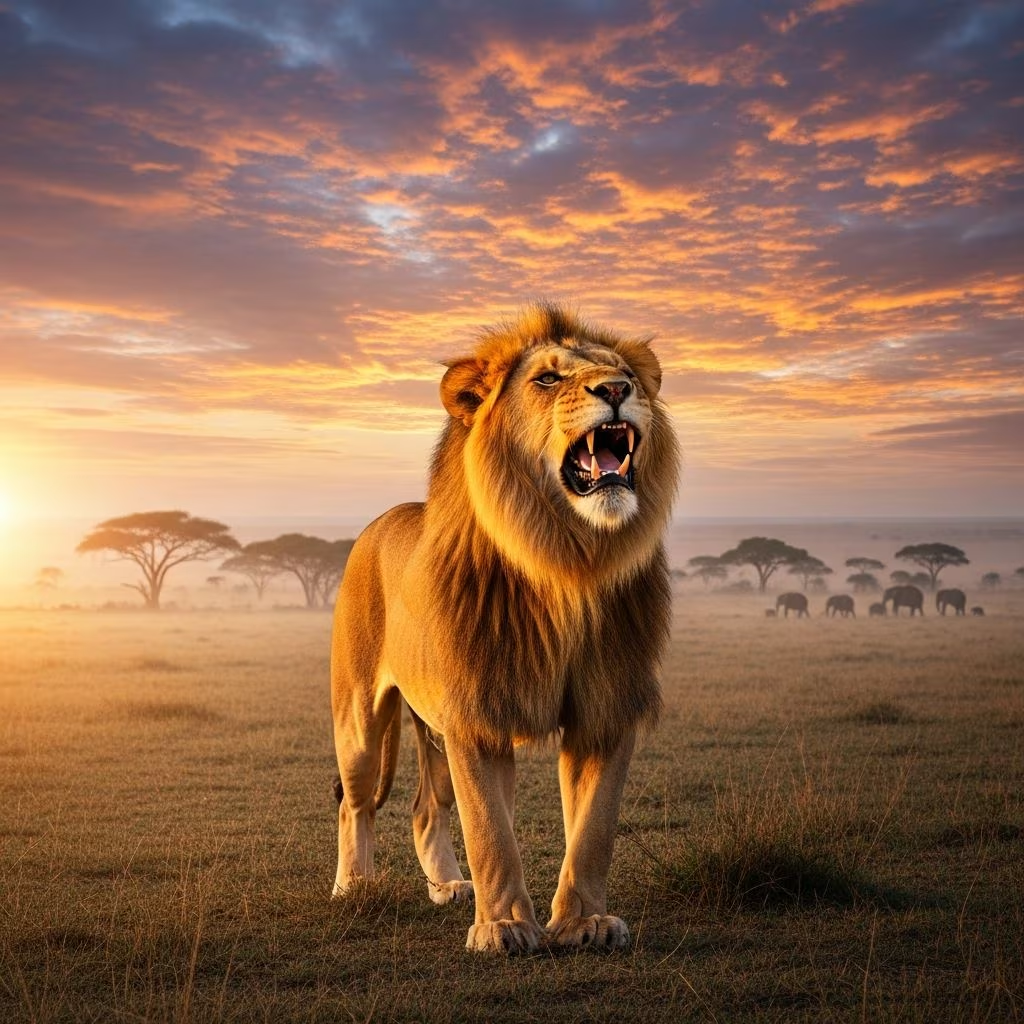 Travel Essentials
Stepping into the heart of Africa’s wilderness offers a profound connection with nature, where every moment pulses with anticipation and discovery. Safaris provide immersive experiences amid vast landscapes teeming with iconic animals, blending adventure, education, and serenity.
A safari represents more than a vacation; it’s an expedition into ecosystems that sustain some of the planet’s most magnificent creatures. Originating from the Swahili word meaning ‘journey,’ modern safaris emphasize ethical wildlife viewing in protected reserves like Kenya’s Maasai Mara and Tanzania’s Serengeti National Park. These areas boast diverse habitats—from open grasslands to riverine forests—supporting migrations and predator-prey dynamics that captivate visitors.
Travelers arrive at airstrips or lodges, transitioning quickly from urban life to bush rhythms. Guides, often local experts with years of tracking experience, lead groups in customized vehicles, sharing insights on animal behaviors and conservation efforts. This structured yet flexible format ensures safety while maximizing sightings of the **Big Five**: lion, elephant, buffalo, leopard, and rhinoceros.
Safari days align with animal activity peaks, starting before dawn. Here’s how a standard itinerary unfolds:
This rhythm optimizes sightings during active periods, balancing excitement with rest. Variations occur based on location—river safaris in Zambia might include canoe paddles.
The allure lies in unpredictable yet thrilling animal interactions. Herds of wildebeest thunder across plains during Tanzania’s Great Migration, a spectacle of over 1.5 million animals seeking greener pastures. Predators like cheetahs stalk prey in high-speed chases, while elephant families trumpet through acacia-dotted savannas.
| Animal | Best Viewing Time | Signature Behaviors | Key Locations |
|---|---|---|---|
| Lion | Dawn/Dusk | Pride hunts, cub play | Masai Mara, Serengeti |
| Elephant | Morning | Waterhole gatherings | Amboseli, Ngorongoro |
| Leopard | Night | Tree ambushes | Sabi Sands equivalents in East Africa |
| Rhino | Daylight | Grazing in craters | Ngorongoro Crater |
| Great Migration | July-Oct | River crossings | Serengeti/Mara |
Success hinges on patience and guide expertise. Binoculars and quality cameras are essentials; ethical operators maintain distance to avoid stress.
Accommodations range widely to suit preferences. **Classic tented camps** evoke explorer eras with canvas walls, en-suite facilities, and decks overlooking plains—think flickering lanterns and hyena whoops at night. **Luxury lodges** offer infinity pools, gourmet cuisine, and spas, blending opulence with wilderness immersion.
For budget travelers, **permanent camps** provide comfort without extravagance. Unique options like treehouses or riverside cabins add novelty. Many include all meals, drinks, and drives, fostering communal bonds at dinner fires. Select properties support conservation via anti-poaching fees.
Flights land at regional hubs like Nairobi’s Wilson Airport for light aircraft to reserves. Visas, yellow fever certificates, and malaria prophylaxis are mandatory—consult health advisories. Pack neutrals: khaki, olive tones camouflage in the bush; hats, sunscreen, and layers combat sun and chill.
Packing Checklist:
Leave drones behind—banned in most parks to protect wildlife.
Beyond animals, safaris enrich with human stories. Visits to Maasai villages reveal pastoral lifestyles, beadwork crafts, and warrior dances. Guides often hail from these communities, offering authentic narratives on coexistence with wildlife. Ethical tourism funds schools and clinics, strengthening local economies.
Dry Season (June-October): Concentrated animals at dwindling water sources yield high sightings; Migration peaks July-September.
Green Season (November-May): Lush landscapes, fewer crowds, bird migrations; calving season births abound in January-February.
Avoid peak rains (March-May) for muddy tracks, though off-season deals abound.
Choose operators adhering to standards—no off-road driving, fixed vehicle numbers per sighting. WWF-supported tours channel funds to protection. Discuss poaching impacts and habitat loss; your presence aids monitoring via camera traps.
Neutral clothing, binoculars, camera, medications, and insect repellent top the list. Layers suit variable weather.
Yes—many lodges cater to kids with junior programs; solos join group tours safely.
Guides maintain respectful distances (20-50m), prioritizing animal welfare.
Fresh, diverse cuisine from international buffets to bush picnics, accommodating dietary needs.
Absolutely—group camps and shoulder seasons reduce costs without skimping on experiences.
While Africa dominates, Florida’s drive-thru parks mimic experiences with zebras and rhinos. Tanzania and Kenya remain premier for authenticity.
