

Food & Culture Stays Travel Essentials Travel Guides Trip Ideas
Categories
From the Blog
Remy’s Ratatouille Adventure at EPCOT: Ride Review, Tips & 2D Update
Travel Essentials

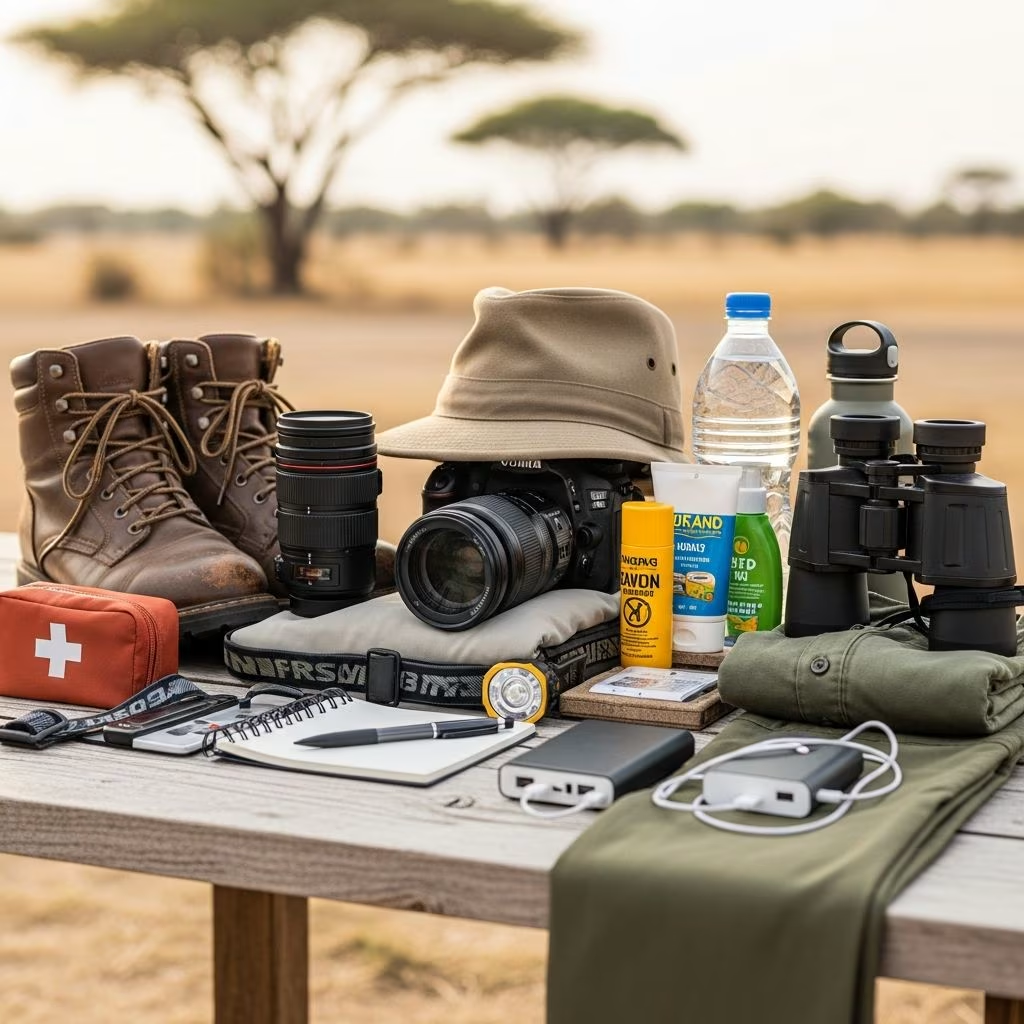
African Safari Packing List: What to Wear and Bring

Comprehensive guide to packing for an African safari: neutral clothing, layers, footwear, accessories, and seasonal must-haves for game drives and lodges.
Travel Essentials

Embarking on an African safari demands thoughtful preparation to balance comfort, practicality, and the unique challenges of the bush. Temperatures swing dramatically from dawn chills to midday heat, dust clouds billow during drives, and insects lurk everywhere. This guide outlines everything you need, focusing on versatile, lightweight items that fit soft-sided bags for bush planes.

Essential Clothing Choices

Clothing forms the foundation of safari readiness. Opt for breathable fabrics like cotton or linen that wick moisture and dry quickly. Neutral palettes—khaki, olive, beige—help you blend into the landscape while deterring bugs.

  • Lightweight T-shirts and long-sleeve shirts for versatile layering and UV defense.
  • Convertible zip-off pants that double as shorts for adapting to heat or hikes.
  • Shorts for warm afternoons, paired with long pants for evenings against mosquitoes.

For women, a shawl or sarong adds evening coverage without bulk; men might appreciate similar lightweight wraps common in African lodges. Formal wear stays home—lodges favor casual vibes.

Layering for Variable Weather

Safaris span seasons with mornings often dipping below 50°F and days soaring past 85°F. Layers allow seamless adjustments during game drives.

Layer TypePurposeRecommended Items
BaseMoisture-wickingT-shirts, underwear, socks
MidInsulationFleece jacket, sweater, leggings
OuterWind/rain protectionPackable rain jacket, lightweight puffer

A fleece or sweater combats early chills, while a rain jacket handles sudden showers. Sports bras provide support on bumpy roads.

Footwear Priorities

Comfortable feet endure walks, jeeps, and lodge lounging. Skip heavy boots unless trekking gorillas.

  • Closed-toe sneakers or light hiking shoes for dust, thorns, and bush walks.
  • Flip-flops or sandals for poolside relaxation and tent navigation.
  • Moisture-wicking socks to stay dry.

Gardening gloves protect hands during gorilla treks from nettles.

Head and Eye Protection

The intense sun demands robust shielding. Wind and dust amplify needs during open-vehicle drives.

  • Wide-brim, packable hat or secure baseball cap.
  • Polarized sunglasses to cut glare off water and horizons.
  • Buff or scarf for dust, flies, sun, or warmth—multipurpose genius.
  • Sun gloves for extra hand coverage.

These items enhance views without squinting.

Personal Care and Health Items

Lodge amenities cover basics, but pack specifics for the bush.

  • High-SPF sunscreen, chapstick, moisturizer against dry air.
  • Insect repellent with DEET for tsetse flies and mosquitoes.
  • Hand sanitizer, tissues, wet wipes for sanitation.
  • Medications: anti-malarials, pain relievers, allergies—consult a doctor.
  • Reusable water bottle; many lodges provide filtered refills.

A small first-aid kit with bandages and tweezers handles scrapes.

Tech and Photography Gear

Capture the Big Five without excess weight.

  • Camera or smartphone with extra batteries, portable charger.
  • Daypack for drives: holds water, snacks, lenses.
  • Rechargeable headlamp or flashlight for evenings.
  • Power bank essential—outlets vary.

Binoculars amplify distant wildlife sightings.

Luggage Strategies

Bush flights enforce strict rules: soft-sided duffels max 20-44 lbs, no wheels.

  • Main bag: Flexible duffel for vehicle storage.
  • Daypack: 20-30L for essentials.
  • Pack laundry-friendly; most lodges wash daily.

One outfit per day suffices with re-wearing.

Seasonal Adjustments

Tailor to your timing—dry for migrations, wet for lush greens.

Dry Season (June-October)

  • Breathable sleepwear, swimsuit for pools.
  • Rain jacket for pop-up storms.

Wet Season (November-April)

  • Warm layers: beanie, gloves, scarf.
  • Heavy socks, waterproof jacket.

Check lodge pools year-round.

Specialized Activities

Adapt for adventures.

  • Gorilla trekking: Hiking boots, gloves, long socks.
  • Walking safaris: Sturdy shoes, binoculars.
  • Boat safaris: Quick-dry clothes.

Packing Tips for Efficiency

  1. Roll clothes to save space.
  2. Use packing cubes for organization.
  3. Limit to 10-15 lbs for light aircraft.
  4. Leave valuables; insurance covers.
  5. Wear bulkiest items on flights.

Frequently Asked Questions

What colors should I wear on safari?

Neutrals like khaki and olive to avoid attracting insects and animals.

Do I need hiking boots?

Only for treks; sneakers suffice for standard game drives.

Can lodges do laundry?

Yes, most offer daily service—pack minimally.

How much luggage for bush flights?

Soft duffel, 20-44 lbs max, no rigid cases.

What about dresses or formal clothes?

Not needed; casual reigns at lodges.

Activity-Specific Packing Table

ActivityKey Additions
Game DrivesDust scarf, polarized glasses, layers
Bush WalksHiking shoes, gloves, hat
Gorilla TrekkingBoots, long pants, rain gear
Lodge RelaxationSwimsuit, flip-flops, book

References

  1. How to Pack | Safari Guide — Lion World Travel. Accessed 2026. https://www.lionworldtravel.com/how-to-pack
  2. The Ultimate Packing Guide for Your African Safari — Saving Wild. Accessed 2026. https://savingwild.com/what-to-pack-for-an-african-safari/
  3. What to Pack for Safari – My Packing List — Jeff Hyer. 2023-11-21. https://jeffhyer.com/2023/11/21/what-to-pack-for-safari-my-packing-list/
  4. What to Pack for Safari — Abercrombie & Kent. Accessed 2026. https://www.abercrombiekent.com/stories/safari-packing-guide
  5. A Complete Packing List for Your First African Safari — This Travel Tribe. Accessed 2026. https://www.thistraveltribe.com/podcast/safari-packing
SN
Sneha Tete
Sneha is a relationships and lifestyle…

Sneha is a relationships and lifestyle writer with a strong foundation in applied linguistics and certified training in relationship coaching. She brings over five years of writing experience to CultureTreker,  crafting thoughtful, research-driven content that empowers readers to build healthier relationships, boost emotional well-being, and embrace holistic living.Her writing and insights reflect the belief that beauty, happiness, and wellness begin from within, through the harmonious balance of the mind, body, and heart. With a background in instructional design and research writing, Sneha transforms complex topics into practical insights that are easy to understand and apply.Sneha has also self-published a novella on adolescent mental health, highlighting her ability to navigate emotionally layered topics with nuance and empathy. When she's not writing, you'll find her exploring storytelling through photography, diving into K-dramas, or enjoying quiet moments with her family and friends.

← Previous
How to Buy 2026 FIFA World Cup Tickets
‹›

