

 Travel Essentials
 Travel Essentials

Explore Rio de Janeiro's deep Afro-Brazilian heritage through historic sites like Little Africa, samba origins at Pedra do Sal, and cultural celebrations that define the city's soul.
 Travel Essentials
Rio de Janeiro pulses with the rhythms and resilience of its Afro-Brazilian heritage, a legacy forged from the arrival of millions of enslaved Africans who shaped the city’s cultural DNA. This influence permeates music, spirituality, neighborhoods, and festivities, offering visitors an authentic glimpse beyond the beaches.
Brazil received over half of the 10 million Africans forcibly brought to the New World, with Rio serving as a key entry point under Portuguese colonial rule. Enslaved people toiled on sugar plantations and urban projects, infusing their traditions into daily life. After the 1831 ban on the slave trade, freed individuals clustered in port areas, establishing communities that preserved African customs amid oppression.
These early settlements evolved into enduring cultural hubs. By the mid-19th century, areas around the port became sanctuaries for Black workers from Bahia and beyond, fostering solidarity through shared practices like communal gatherings and religious rites.
Little Africa, or Pequena África, spans neighborhoods like Saudade, Gamboa, and Santo Cristo in Rio’s port zone. Just 15 minutes from Copacabana, this district emerged post-1831 as a refuge for freed slaves and migrants seeking work and kinship. Homes, eateries, and worship spaces dotted the landscape, creating a vibrant Black enclave.
Recognized as a quilombo—a traditional community of escaped or freed slaves—in 2005, Pedra do Sal stands as its crown jewel. Named for the salt-trading rock where enslaved Africans labored, it now hosts lively samba sessions, drawing locals and tourists. Credited as samba’s birthplace, the site embodies resistance and joy.
In Rio’s North Zone, 40 minutes from Copacabana, Madureira boasts a 70% Black population. Overlooked by mainstream itineraries, it thrives with Afro-centric energy—from R&B parties to everyday life infused with African rhythms. This area exemplifies how Black communities sustain traditions far from tourist hubs.
Visitors can immerse in local markets and street parties, experiencing unfiltered Afro-Brazilian vibrancy. Madureira’s role highlights internal migrations that spread African influences across Rio.
African religions like Candomblé took root in Rio’s terreiros (sacred grounds), blending Yoruba, Bantu, and indigenous elements. These spaces host chants and rituals that honor orixás (deities), preserving spiritual continuity despite colonial suppression.
Pedra do Sal also served as an early quilombo for religious practice. Today, terreiros offer tours revealing syncretic faiths where Catholic saints mask African gods, a survival strategy during persecution.
| Key Spiritual Sites | Description | Significance |
|---|---|---|
| Pedra do Sal Terreiros | Historic worship grounds | Birthplace of Candomblé practices in port area |
| Little Africa Temples | Hidden sacred houses | Preserve Bantu and Yoruba traditions |
| Madureira Candomblé Centers | Community ritual spaces | Modern hubs for youth engagement |
Samba originated in Little Africa’s rodas, where enslaved descendants drummed polyrhythms on makeshift instruments, encoding stories of struggle. Pedra do Sal’s open-air parties continue this tradition, with experts like locals affirming its genesis there.
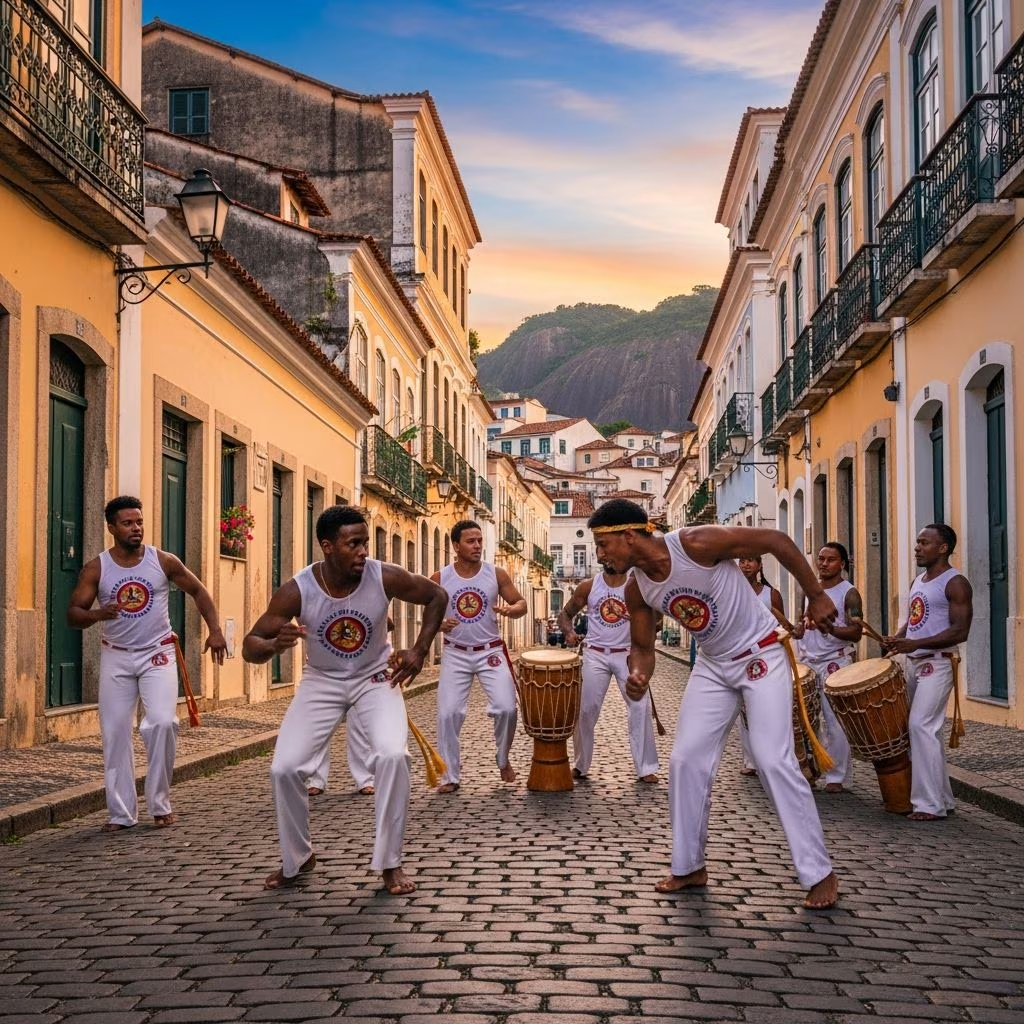
Capoeira, the acrobatic martial art disguised as dance, flourished in quilombos. Combining fluid kicks and ginga (swaying steps), it symbolized defiance. Rio’s rodas blend these arts, especially during festivals.
Carnival, Rio’s global spectacle, owes its essence to Afro-Brazilian innovations like frevo and maracatu parades. Blocos (street samba groups) trace roots to 19th-century Black societies.
Black Consciousness Day, a national holiday, fills Rio streets with dances honoring resistance. Events in Little Africa and Madureira feature music and talks on contributions to Brazilian identity.
Beyond urban Rio, the Valle do Café preserves coffee plantation histories where enslaved Africans powered Brazil’s economy. Tours reveal fazendas (estates) with preserved slave quarters, contextualizing urban migrations.
Candomblé houses here maintain pure African lineages, offering insights into spiritual migrations to the city.
In downtown Rio, the Museum of Pretos Novos (Newly Arrived Blacks Cemetery) unearths a forgotten 18th-19th century burial ground for enslaved newcomers. Discovered in the 1990s during renovations, it displays bones and artifacts, confronting slavery’s brutality.
Exhibits detail dehumanizing inspections at Valongo Wharf, a UNESCO site nearby, underscoring Rio’s role in the slave trade.
Guided walks through Little Africa and heritage circuits spotlight Black resilience. Tours by local historians like those promoting empowered narratives visit slave trade sites, samba origins, and terreiros.
Rio’s afrotourism surge, voted Brazil’s best, boosts these areas economically while educating on colonial histories.
Tuesdays and Fridays for samba at Pedra do Sal; avoid peak Carnival crowds for intimacy.
Stick to main areas like markets; join group tours for comfort.
Candomblé is more African-pure; Umbanda mixes spirits and Catholicism.
Yes, many academies in Lapa and port zones welcome beginners.
Last slave ships arrived until 1850; full abolition in 1888.
Rio’s African legacy transforms the city from beach paradise to cultural powerhouse, inviting immersive journeys into joy and memory.
