

 Travel Essentials
 Travel Essentials

Explore Ecuador’s Afro-descended heritage through Esmeraldas, the Chota Valley, music, cuisine, beaches, and living cultural traditions.
 Travel Essentials
Ecuador’s cultural tapestry is woven with African heritage that spans over four centuries. The presence of Afro-descended peoples in Ecuador traces back to a pivotal moment in 1533 when a Spanish slave vessel capsized off the Pacific Coast, resulting in approximately 23 enslaved Africans escaping to freedom. These individuals subsequently established a thriving independent settlement in what is now known as Esmeraldas Province, creating one of the earliest autonomous Afro-descended communities in the Americas. Today, Ecuador stands as a destination where visitors can authentically engage with living Afro-descended cultures, traditions, and landscapes that tell profound stories of resilience, creativity, and cultural pride.
Afro-Ecuadorian communities are concentrated in specific regions that have become cultural heartlands. The most prominent population cluster exists in Esmeraldas Province, located along Ecuador’s northwestern coast, where approximately 70% of the province’s 650,000 inhabitants are Afro-Ecuadorian. This exceptional demographic concentration makes Esmeraldas the primary epicenter of Afro-Ecuadorian culture in the nation. Beyond the coastal regions, the Chota Valley situated in Imbabura Province represents another significant cultural enclave at an elevation of 1,500 meters above sea level. This highland location creates a unique cultural intersection where Afro-Ecuadorian traditions blend with Indigenous Andean influences, producing distinctive artistic expressions and social practices.
Urban centers also host substantial Afro-Ecuadorian populations. Guayaquil, Ecuador’s largest port city, contains a significant Afro-Ecuadorian community primarily concentrated in the Isla Trinitaria neighborhood. Additionally, cities including Ibarra and Quito maintain established Afro-Ecuadorian neighborhoods where cultural traditions continue to flourish and evolve.
Esmeraldas Province remains the quintessential destination for experiencing Afro-Ecuadorian culture at its most vibrant. Known colloquially as the Green Capital due to its lush tropical vegetation and privileged climate, Esmeraldas offers year-round travel opportunities with consistent sunshine and pristine beaches. The province’s appeal extends beyond its natural attributes to encompass its deeply rooted cultural expressions and gastronomic traditions that directly reflect African heritage.
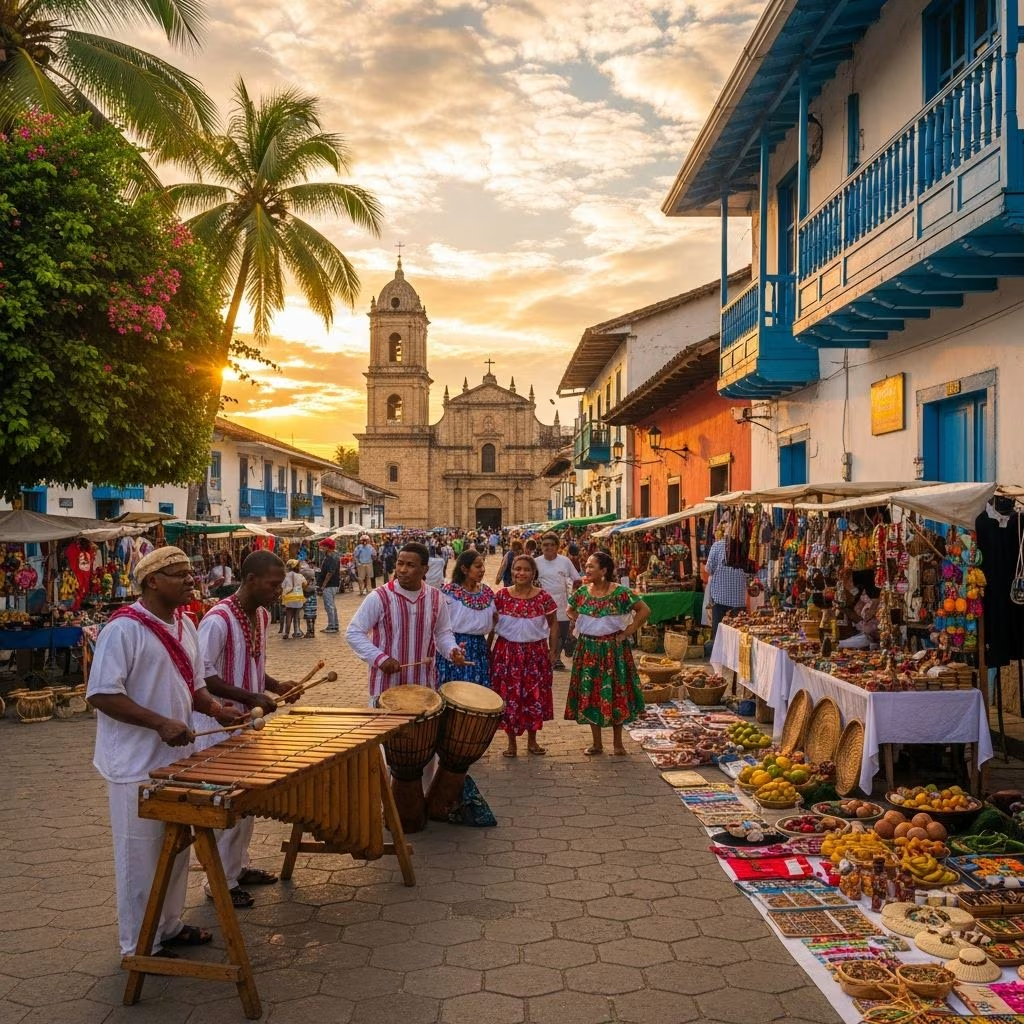
The musical heritage of Esmeraldas constitutes one of its most captivating cultural offerings. Marimba Esmeraldeña, the region’s signature musical tradition, represents far more than entertainment—it embodies rhythmic storytelling, emotional expression, and community identity. This percussive art form features wooden xylophones combined with drums and other instruments, creating intricate polyrhythmic patterns that audiences find mesmerizing. Smaller towns including San Lorenzo and Borbón have emerged as particular hubs for marimba performance and instruction. Borbón specifically hosts renowned musicians like Papá Roncón, whose work has helped preserve and popularize this endangered artistic tradition. Visitors attending live marimba performances experience the genre’s full spectrum: the seduction of movement, the technical precision of musicians, and the communal pride that accompanies each performance.
Esmeraldas’ gastronomic scene directly reflects African culinary traditions adapted to Ecuadorian coastal ingredients. Restaurants throughout the province serve dishes featuring fresh seafood, plantains, coconut, and traditional preparation methods inherited through generations. The cuisine incorporates spice profiles, flavor combinations, and cooking techniques that transport diners to the crossroads of African and South American food cultures. Sampling regional specialties provides insight into how communities maintained cultural identity through food practices despite centuries of displacement and adversity.
Las Palmas Beach offers visitors opportunities for water-based recreation including surfing and paragliding while maintaining the area’s natural integrity. The nearby resort destination of Atacames, situated approximately 18.6 miles from Esmeraldas city center, provides well-developed tourist infrastructure with seaside dining and hospitality amenities. For travelers seeking wellness experiences, the natural spa pools located in Tachina, San Mateo, and Vuelta Larga parishes offer therapeutic environments within natural settings.
The Chota Valley in Imbabura Province represents a geographical and cultural anomaly within Ecuador’s highland regions. Located at 1,500 meters elevation in mountainous terrain typically associated with Indigenous Quichua populations, the Chota Valley hosts thriving Afro-Ecuadorian communities that have maintained distinct cultural practices despite their geographical isolation from the coast. This valley exemplifies how African-descended peoples successfully established themselves across Ecuador’s diverse ecosystems, adapting their cultural expressions to highland environments while maintaining core identity elements.
The San Juan festival celebrated annually throughout the valley showcases the community’s pride in heritage and provides visitors with opportunities to witness traditional music, dance, dance competitions, and festive gatherings. The valley’s dramatic surrounding landscape creates a distinctive backdrop for cultural expressions that blend highland and African-descended aesthetic traditions. Local communities actively engage visitors through cultural tourism initiatives, offering educational experiences about valley history, contemporary life, and cultural preservation efforts.
Guayaquil’s Afro-Ecuadorian presence manifests through neighborhood communities, particularly in Isla Trinitaria, and through restaurants specializing in Afro-Ecuadorian cuisine located in downtown areas. Establishments like Corozo El Verdadero and El Panal del Marisco provide culinary windows into Afro-Ecuadorian food traditions, attracting both local and international visitors interested in authentic regional cooking. These urban spaces represent how Afro-Ecuadorian culture continues evolving within contemporary metropolitan contexts while maintaining traditional elements.
Understanding contemporary Afro-Ecuadorian destinations requires acknowledging the historical circumstances that shaped their development. During the sixteenth century, approximately the same period when the Esmeraldas shipwreck occurred, Jesuit priests transported enslaved Africans into Ecuador’s Central Highlands to work on agricultural plantations growing cotton and sugar. This forced migration created the demographic patterns that persist today, with Afro-Ecuadorian populations concentrated in specific geographic zones associated with either colonial escape routes or plantation labor systems.
The 1533 shipwreck incident holds particular historical significance because the resulting community established by escapees represented one of the earliest examples of independent Afro-descended settlement in the Americas, predating many other significant community formations by generations. This historical foundation shaped subsequent cultural development and community resilience narratives that contemporary Afro-Ecuadorians reference when discussing cultural identity and historical pride.
| Destination | Primary Appeal | Best Season | Distance from Major City |
|---|---|---|---|
| Esmeraldas Province | Music, cuisine, beaches | Year-round | 320 km from Quito |
| Chota Valley | Highland culture, festivals | June (San Juan) | 280 km from Quito |
| Atacames | Beach resort activities | Year-round | 340 km from Quito |
| Guayaquil neighborhoods | Urban culture, dining | Year-round | 450 km from Quito |
Visitors planning journeys through Afro-Ecuadorian destinations should consider multiple factors including seasonal variations, cultural festival calendars, and accessibility. While Esmeraldas and Atacames maintain year-round favorable weather conditions, cultural festivals like San Juan in the Chota Valley occur during specific periods and offer enhanced immersion opportunities. Transportation accessibility varies, with coastal destinations easily reachable via regional flights or extended road travel from Quito, while highland valley destinations require longer journey times but reward travelers with distinctive landscape and cultural experiences.
Afro-Ecuadorian presence in Ecuador originated through two primary mechanisms: the 1533 shipwreck that resulted in escaped enslaved Africans establishing independent settlements in Esmeraldas, and the subsequent transportation of enslaved Africans by Jesuit priests to highland plantations during the sixteenth century. These historical events established the geographic distribution patterns visible today.
Marimba Esmeraldeña represents the musical and rhythmic traditions of Afro-Ecuadorian communities, embodying African heritage through percussion instruments and polyrhythmic structures. The tradition serves as cultural identity expression, community gathering mechanism, and endangered artistic form requiring preservation efforts.
Esmeraldas Province contains the highest concentration with 70% of its population being Afro-Ecuadorian. The Chota Valley in Imbabura Province represents the second significant population center. Guayaquil and other urban areas also maintain substantial Afro-Ecuadorian communities, particularly in specific neighborhoods.
Afro-Ecuadorian cooking incorporates African spice profiles and preparation methods adapted to Ecuadorian coastal and regional ingredients, emphasizing seafood, plantains, coconut, and traditional flavor combinations that reflect ancestral food cultures maintained through generations.
The San Juan festival occurring in June throughout the Chota Valley provides optimal timing for witnessing traditional celebrations, music, and dance performances. Coastal regions maintain year-round cultural activities, though specific festival calendars should be consulted for planned visits.
Visitors engaging with Afro-Ecuadorian destinations should approach communities with cultural sensitivity and genuine interest in learning rather than superficial observation. Supporting local businesses, attending community-organized cultural events, compensating musicians and cultural practitioners, and respecting private spaces all constitute ethical tourism practices. Many communities actively welcome visitors and offer guided experiences, cultural workshops, and educational programs designed specifically for tourist audiences. Engaging through these sanctioned channels ensures economic benefits reach community members while providing visitors with authentic, meaningful interactions rather than exploitative encounters.
Afro-Ecuadorian cultural traditions face ongoing pressures from globalization, urban migration, and limited institutional support for cultural preservation. Musical traditions like marimba require younger generations to learn complex techniques and community participation to survive. Culinary traditions face competition from industrial food systems and international cuisine. However, contemporary Afro-Ecuadorian communities actively engage in cultural documentation, youth education programs, and tourism initiatives designed to sustain heritage while generating economic benefits that support community well-being and cultural continuity.
