


 Food & Culture
Food & Culture
Airport Foods to Avoid: Smarter Choices for Healthier Flights
Avoid these common airport foods that pose food safety risks, cause bloating, or offer low nutrition. Learn why and what to choose instead for better flight comfort.
 Food & Culture
Navigating busy airport terminals often leads travelers to grab quick bites from convenience stands or fast-food outlets. While convenience tempts, many options can lead to discomfort, health risks, or digestive issues mid-flight. High-altitude conditions like low humidity, cabin pressure changes, and prolonged sitting amplify problems from poor food choices. This article explores foods best avoided, explains the science behind the risks, and suggests practical alternatives to keep your journey enjoyable.
Why Airport Eating Differs from Everyday Choices
Airports operate under unique constraints: high foot traffic, variable storage conditions, and a focus on speed over quality. Foods sit longer in display cases, temperature controls falter during rushes, and markup inflates prices without matching value. Dehydration from dry cabin air worsens with salty or processed items, while heavy meals slow digestion in low-oxygen environments. The danger zone for bacteria—40°F to 140°F (4°C to 60°C)—is a real threat for items not kept consistently cold or hot.
Travelers report bloating, fatigue, and even illness after consuming certain airport staples. Prioritizing fresh, made-to-order options or pre-packed home snacks (TSA-compliant) minimizes these issues.
Pre-Made Salads and Their Hidden Pitfalls
Marketed as wholesome, pre-packaged salads often disappoint. Greens wilt after hours in plastic, proteins like chicken or eggs dry out or spoil if refrigeration lapses, and creamy dressings pack excess sodium and preservatives. Bacteria thrive in moist environments, especially with temperature fluctuations during restocking.
- Freshness loss: Lettuce browns, tomatoes soften, risking Escherichia coli or Salmonella.
- Health impact: High salt causes water retention, puffiness at altitude.
- Cost factor: $10+ for subpar ingredients.
Opt for fruit cups, yogurt parfaits, or custom salads at full-service spots where staff assemble on demand.
Sushi and Raw Seafood Dangers in Transit Hubs
Grab-and-go sushi looks appealing but carries elevated foodborne illness risks. Raw fish demands precise chilling below 40°F; airport displays often fail this, allowing Vibrio or parasites to multiply. Rice, if not vinegared properly, ferments quickly at room temperatures.
The Centers for Disease Control and Prevention (CDC) advises against raw or undercooked seafood due to contamination hazards, a warning amplified in high-traffic airports.
| Risk Factor | Why Airport Sushi Fails | Safer Swap |
|---|---|---|
| Bacterial Growth | Intermittent cooling | Cooked shrimp rolls |
| Parasites | Non-specialized prep | Vegetable tempura |
| Digestion | Raw proteins upset stomach | Rice bowls with veggies |
Choose visible sushi counters or skip raw fish entirely until destination dining.
Reheated Meats: Hot Dogs and Deli Slices
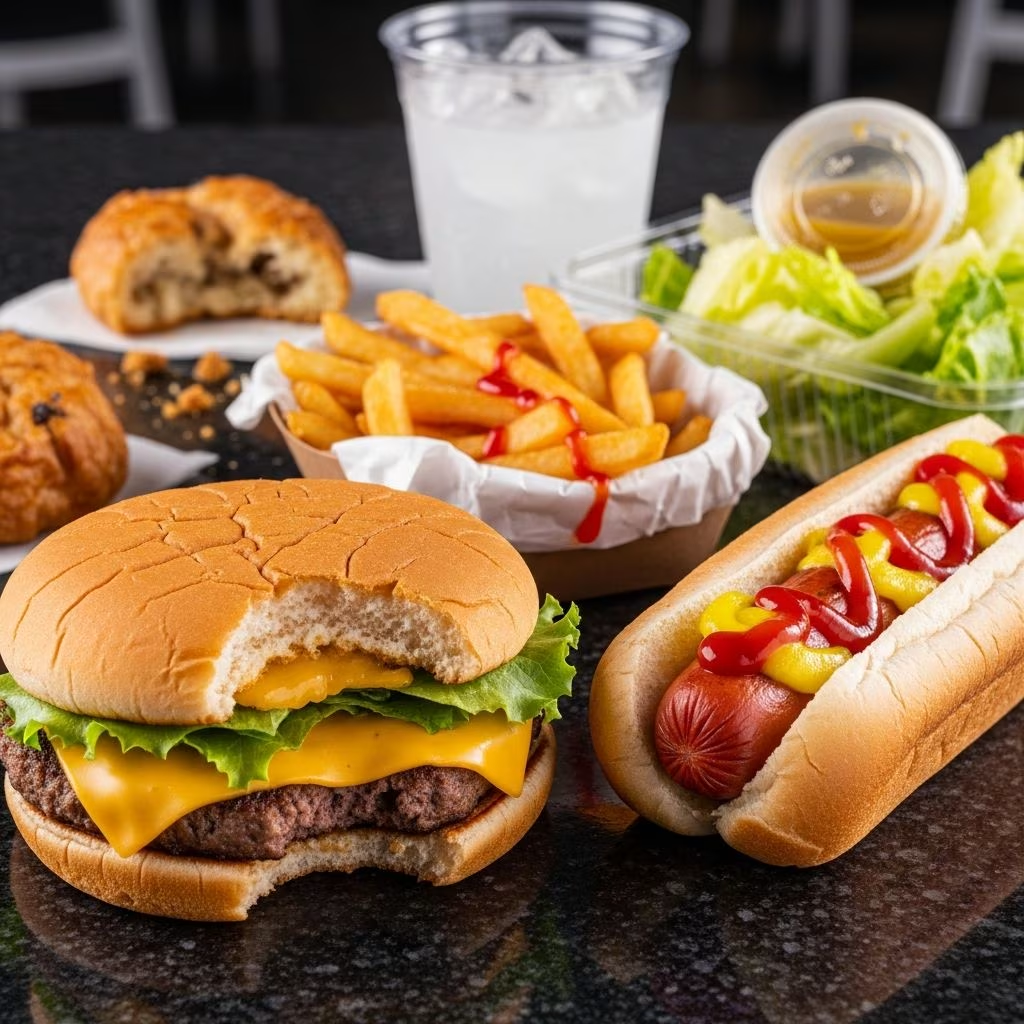
Rotating hot dogs under lamps seem harmless but get reheated repeatedly, breeding bacteria and concentrating nitrates. These preservatives dehydrate further in flight, causing headaches and swelling. Deli sandwiches fare worse: mayo-based fillings, processed meats like ham harbor Listeria, per CDC alerts, especially after hours in inconsistent coolers.
- Bread sogs, meats toughen.
- Sodium spikes blood pressure midair.
- Greasy toppings trigger reflux.
Select grilled proteins or plant-based wraps prepared fresh.
Heavy Fast Food Combos and Fried Sides
Burgers, fries, and chow mein promise satisfaction but deliver grease, refined carbs, and salt overload. Digestion slows in seated positions, leading to cramps and lethargy. Low cabin oxygen makes metabolizing fats harder, per aviation health studies.
Avoid large sodas too—carbonation expands painfully with pressure drops.
Pizza Slices and Bakery Pastries Exposed
Pizza under heat lamps turns chewy and oily; cheese hides bacterial hotspots if temps dip. Pastries rely on trans fats and sugars for shelf life, spiking then crashing energy levels.
| Item | Key Problem | Calories (approx.) |
|---|---|---|
| Pizza Slice | Oil, uneven heat | 400-500 |
| Muffin | Sugar crash | 450 |
| Croissant | Trans fats | 300 |
Fresh flatbreads or nut packs sustain better.
Salty Snacks, Candies, and Beverages to Bypass
Pretzels, nuts, and candy bars exacerbate dehydration—sodium retains fluid, sugars crash energy. Beers add bloating; large sodas fizz uncomfortably.
- Nuts: Allergy risks on planes.
- Candy: Mid-flight hunger rebound.
- Alcohol: Dehydrates doubly.
Buffets and Self-Serve Stations: A No-Go Zone
Salad bars invite cross-contamination from shared tongs; hot buffets enter danger zones. Sprouts, shellfish, creamy sides spoil fast.
Smart Strategies for Airport Dining
Pack TSA-friendly items: nuts (if no allergies), cheese sticks, apples. Seek made-to-order: smoothies, grain bowls. Hydrate with water; time meals 2 hours pre-boarding.
Frequently Asked Questions
Can I bring my own food through security?
Yes, solid foods pass TSA; liquids under 3.4 oz. Sandwiches are ideal.
What causes bloating on planes?
Cabin pressure expands gases; salty/heavy foods worsen it.
Is airport water safe?
Yes, from fountains; refill reusables.
Best healthy grab for long flights?
Yogurt, fresh fruit, hummus with veggies.
How to avoid food poisoning abroad?
Stick to hot/cooked foods; skip ice in new countries.
Final Thoughts on Smarter Airport Bites
By dodging risky foods, travelers enjoy energized, comfortable flights. Focus on balance, freshness, and hydration for peak travel wellness. (Word count: 1678)
References
- 8 Airport Foods Every Traveler Should Avoid and Why — Backroad Planet. 2023-05-15. https://backroadplanet.com/8-airport-foods-every-traveler-should-avoid-and-why/
- Think Twice Before Buying These Foods At The Airport — Explore.com. 2024-02-10. https://www.explore.com/1780400/think-twice-buying-foods-airport/
- Raw or Undercooked Seafood and Foodborne Illness — Centers for Disease Control and Prevention (CDC). 2025-01-20. https://www.cdc.gov/foodsafety/foods-linked-illness.html
- Listeria (Listeriosis) Risks from Deli Meats — Centers for Disease Control and Prevention (CDC). 2024-11-05. https://www.cdc.gov/listeria/risk-groups/deli.html
- Food Safety During Travel — U.S. Food and Drug Administration (FDA). 2025-03-12. https://www.fda.gov/food/buy-store-serve-safe-food/food-safety-during-travel
On This Page
Why Airport Eating Differs from Everyday Choices Pre-Made Salads and Their Hidden Pitfalls Sushi and Raw Seafood Dangers in Transit Hubs Reheated Meats: Hot Dogs and Deli Slices Heavy Fast Food Combos and Fried Sides Pizza Slices and Bakery Pastries Exposed Salty Snacks, Candies, and Beverages to Bypass Buffets and Self-Serve Stations: A No-Go Zone Smart Strategies for Airport Dining Frequently Asked Questions Final Thoughts on Smarter Airport Bites← Previous
Fort Collins, Colorado: America’s Most Peaceful City
Next →
The World’s Most Family-Friendly Airports for Stress-Free Travel
Related Reading
More in Food & Culture
Food & Culture Food & Culture
 Food & Culture
Best Places to Eat in Rome: Neighborhood Dining Guide
 Food & Culture
 Food & Culture