

 Travel Essentials
 Travel Essentials

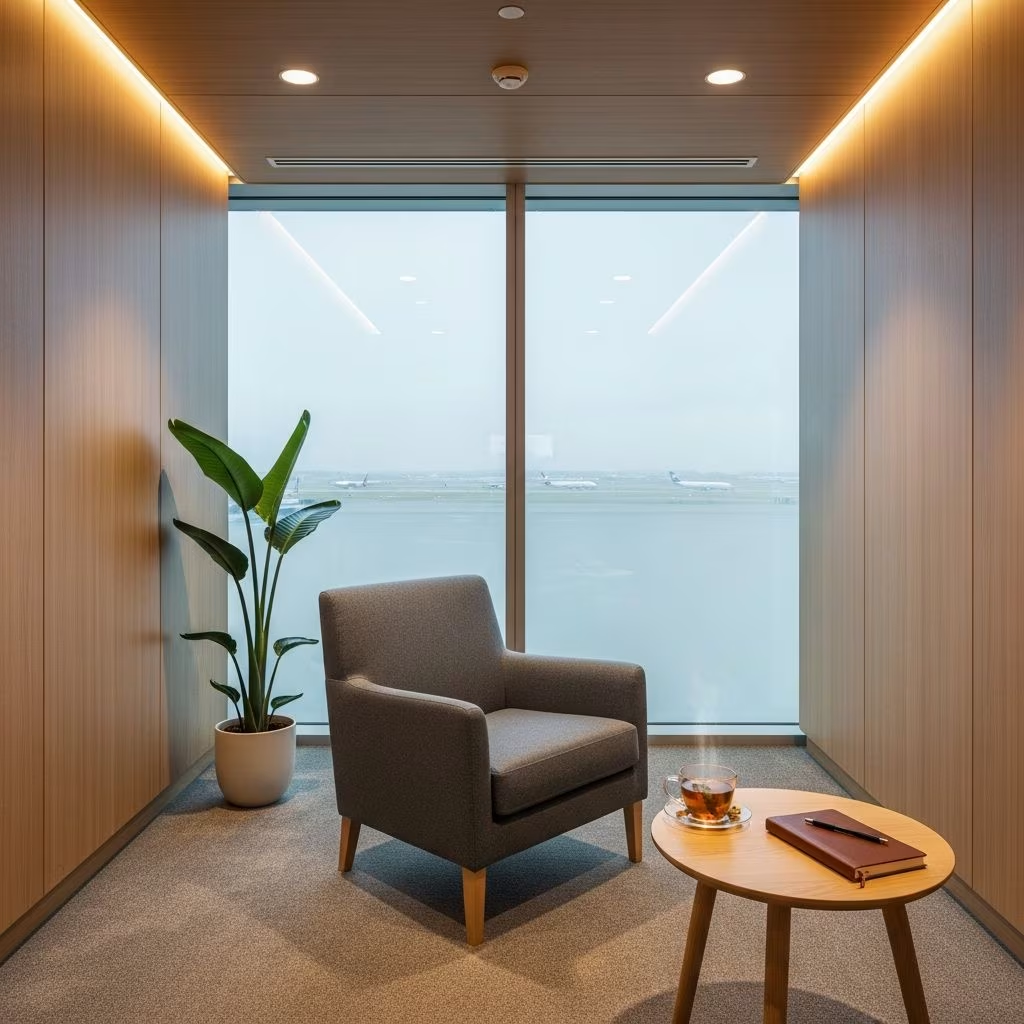
Airport reflection rooms offer quiet, inclusive spaces to meditate, pray, or decompress—turning stressful layovers into moments of calm.
 Travel Essentials
Airports bustle with hurried crowds, echoing announcements, and the constant hum of machinery, creating an environment ripe for stress. Yet, many modern terminals now incorporate dedicated **reflection rooms**—serene enclaves designed for travelers seeking momentary peace. These spaces cater to diverse needs, from silent meditation and prayer to simple decompression, proving indispensable for maintaining mental equilibrium during transit.
Travel disrupts routines, amplifying anxiety through delays, security lines, and farewells. Reflection rooms address this by offering neutral, inclusive sanctuaries. Unlike chapels tied to specific faiths, these areas welcome all beliefs, featuring minimalistic decor, soft lighting, and ergonomic seating to foster introspection.
Statistics underscore their value: airports with such facilities report higher passenger satisfaction scores. For instance, facilities emphasizing wellness see travelers lingering longer in positive ways, boosting overall terminal ambiance. These rooms embody a shift toward holistic travel experiences, prioritizing emotional health alongside efficiency.
Effective reflection spaces balance functionality with serenity. Key elements include:
Artists often contribute, infusing spaces with subtle installations that inspire without distracting. This thoughtful design transforms utilitarian corners into restorative oases.
Several U.S. airports exemplify excellence in this domain, each tailoring spaces to local culture and traveler demographics.
| Airport | Location | Key Features | Unique Aspect |
|---|---|---|---|
| Buffalo Niagara International (BUF) | Post-security | Calming decor, spiritual resources, comfortable seating | Opened 2024, near military lounge |
| San Diego International (SAN) | Terminal 2, post-security | Art installation by Norie Sato, silent contemplation area | ‘Spirit of Silence’ for meditation/prayer |
| San Francisco International (SFO) | Ed Lee Main Hall, pre-security | Quiet meditation center, no tech distractions | Ideal pre-flight decompression |
| Detroit Metropolitan (DTW) | McNamara Central Link; Evans near D17 | Relaxing ambiance for meditation | Multiple locations for convenience |
These examples highlight adaptability: Buffalo emphasizes community spirituality, while SFO prioritizes accessibility.
Reflection rooms evolve to serve broader needs, including **sensory rooms** for autistic individuals or those overwhelmed by stimuli. Equipped with dimmable lights, weighted blankets, and noise-canceling tools, they simulate calm environments. Notable implementations include:
Available 24/7, these rooms mitigate meltdowns, allowing practice for flights. Their success validates inclusive design in aviation.
While U.S. hubs lead, global counterparts innovate. Singapore’s Changi features butterfly gardens and nap pods; Dubai’s Al Maktoum offers prayer zones with ablution facilities. Europe’s Schiphol (Amsterdam) provides a ‘Chapel of Silence’ blending faiths. These international models inspire U.S. expansions, emphasizing cultural sensitivity.
In Asia, Japan’s Narita Airport integrates Zen gardens; Australia’s Sydney equips multi-faith rooms with Quran, Bible, and Torah. This worldwide trend underscores reflection spaces as universal travel necessities.
To maximize these havens:
Families benefit too—children learn calm amid excitement. Business travelers reset focus; elders find respite from fatigue.
Moments of stillness yield measurable gains. Studies from the American Psychological Association link brief meditation to lowered cortisol, improved focus, and anxiety reduction—critical in high-stress airports. Reflection rooms facilitate this, akin to micro-vacations for the mind.
For frequent flyers, regular use combats jet lag’s emotional toll. Integrating such pauses enhances resilience, turning layovers into rejuvenation opportunities.
Tomorrow’s reflection spaces may incorporate biophilic elements like living walls, aromatherapy diffusers, and VR nature escapes. AI-guided sessions could personalize calm, while sustainable materials align with eco-travel. Airports investing here gain loyalty, as wellness becomes a competitive edge.
Challenges persist: space constraints in older terminals and funding. Yet, passenger demand drives growth, promising more havens ahead.
Yes, all cited facilities are complimentary and open to everyone.
Absolutely—many provide mats, literature, and orientations for various faiths.
Most are quiet zones; sensory variants explicitly welcome children.
Typically 15-30 minutes, but no strict limits unless crowded.
Many offer individual cubicles or low-traffic designs for solitude.
Reflection rooms redefine airports as wellness destinations, proving peace is portable. Next layover, seek one out—your mind will thank you.
