

 Travel Essentials
 Travel Essentials

Explore Akihabara, Tokyo's legendary district blending cutting-edge electronics with anime and gaming culture. Learn how to navigate this electrifying neighborhood.
 Travel Essentials
Nestled in the heart of central Tokyo, Akihabara represents far more than just a shopping destination—it is a living, breathing embodiment of Japan’s technological prowess and contemporary pop culture obsession. Once known as a humble electronics retail hub, this vibrant district has evolved into a global pilgrimage site for enthusiasts of anime, manga, video games, and idol culture. The transformation reflects decades of cultural shifts, making Akihabara a unique window into how Japanese society balances traditional commerce with modern fandom.
The district’s name carries historical significance, derived from a former local shrine that once stood in the area. What began as a straightforward electronics trading post has undergone a remarkable metamorphosis. In the decades following World War II, Akihabara established itself as the go-to destination for affordable electronics and IT equipment, earning its nickname “Electric Town.” Retailers flocked to the area, creating a dense network of shops offering televisions, radios, computers, and later, video games and digital devices.
However, the true revolution occurred as consumer interests shifted. Alongside the continued dominance of electronics retailers, specialty shops devoted to anime, manga, and gaming began appearing among the traditional stores. What initially seemed like a niche market segment gradually transformed the entire character of the district. Today, while electronics remain present, they share equal prominence with establishments celebrating Japanese pop culture, creating an intoxicating blend of technology and fandom that defines the modern Akihabara experience.
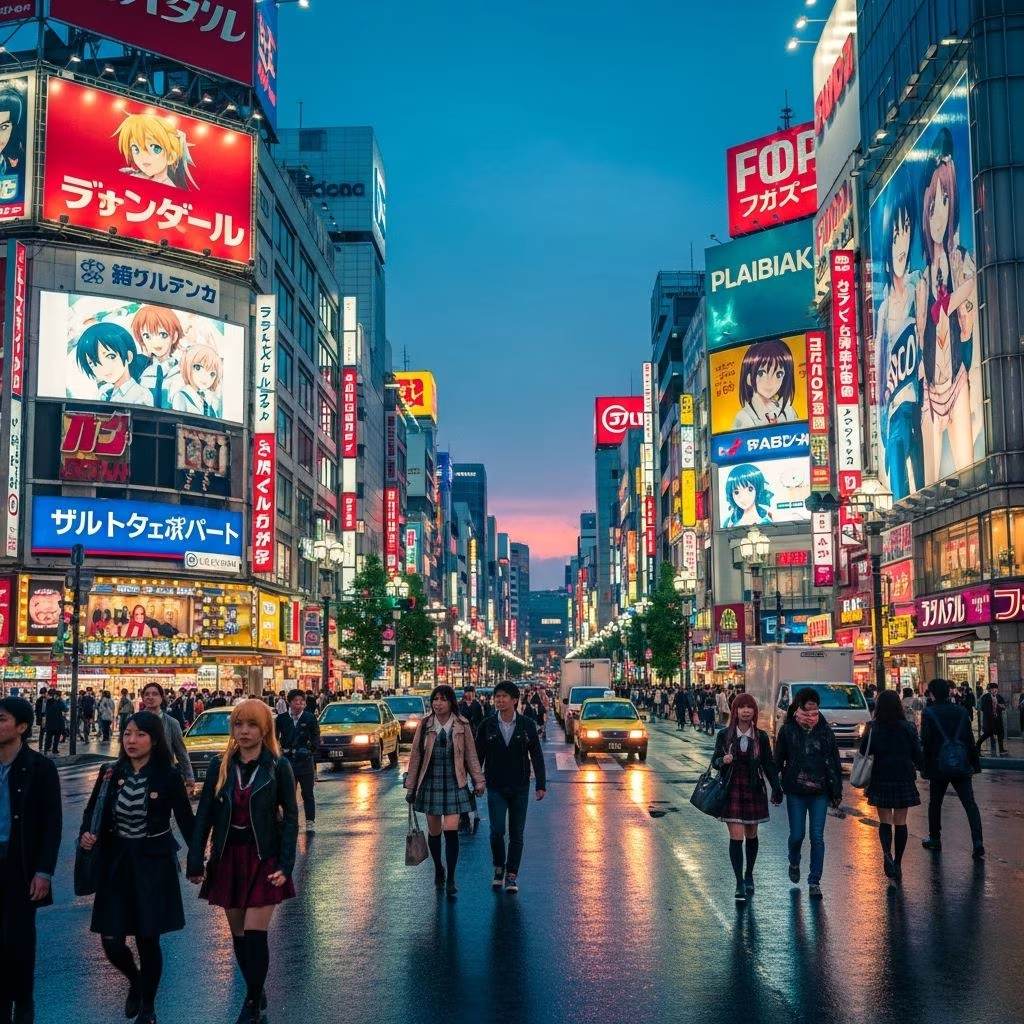
Understanding Akihabara’s geography proves essential for first-time visitors. The district centers around Akihabara Station, a major transportation hub served by multiple railway lines. The most convenient entry point is the Electric Town Exit, which immediately opens into the heart of the district. From this exit, visitors find themselves amid dozens of illuminated billboards, blaring speakers broadcasting J-pop music, and crowds of people navigating narrow streets lined with shops.
The main commercial artery running through Akihabara is Chuo Street, where many buildings stand side by side, creating an overwhelming sensory experience that defines the district’s character. This pedestrian-friendly thoroughfare serves as the primary gathering point for both shoppers and culture enthusiasts.
Multiple railway lines service Akihabara Station, including the JR Yamanote Line, JR Keihin-Tohoku Line, JR Sobu Line, Tokyo Metro’s Hibiya Line, and the Tsukuba Express. This extensive connectivity makes reaching Akihabara convenient from virtually any part of Tokyo.
The term “otaku,” referring to enthusiastic fans or hobbyists with deep knowledge and passion for specific interests, perfectly encapsulates the spirit of modern Akihabara. However, it is crucial to understand that Akihabara doesn’t operate like a conventional tourist attraction with discrete points of interest. Rather, it functions as an immersive environment—a collective vibe that permeates every street corner and storefront.
Visitors seeking the authentic Akihabara experience should venture beyond mainstream tourist spots and explore hidden gems tucked away on side streets and upper floors of nondescript buildings. Many of these establishments cater to serious fans and collectors rather than casual observers. Anime merchandise, vintage video games, collectible figures, and limited-edition merchandise fill shelves in hundreds of small shops, each catering to specific niches within the broader otaku culture.
The gachapon (gashapon) culture exemplifies Akihabara’s peculiar charm. These Japanese capsule toy vending machines dispense collectible trinkets, figurines, and novelty items for small fees. The Akihabara Gachapon Hall operates extended hours (11:00-20:00 weekdays; 11:00-22:00 Friday-Saturday; 11:00-19:00 Sunday), offering hundreds of different capsules containing merchandise related to popular anime, games, and characters.
Among Akihabara’s most distinctive establishments are maid cafes, where servers dressed in Victorian maid costumes provide hospitality theater along with food and beverages. At establishments like Maidreamin, staff greet guests with phrases like “Welcome home, master!” and decorate dishes with cute artwork while performing songs and dances. These venues represent a uniquely Japanese approach to customer service and entertainment, blending cafe culture with theatrical performance.
Maidreamin Akihabara LIVE RESTAURANT Heaven’s Gate operates at 6F Akiba Cultures Zone with extended hours: 11:30-23:00 on weekdays and 10:30-23:00 on weekends. While potentially overwhelming for first-time visitors, maid cafes have become obligatory stops for many international tourists seeking authentic Akihabara experiences.
Akihabara hosts numerous retro game centers and modern arcade establishments where visitors can play classic and contemporary video games, compete against others, and win prizes. The prevalence of gaming culture reflects Japan’s role as a birthplace of modern video gaming, with franchises like Nintendo originating from Japanese innovation.
For those seeking interactive experiences, Akiba Kart offers an opportunity to live out Mario Kart fantasies. Participants dress in costumes and drive custom-built go-karts through Tokyo’s streets while viewing famous landmarks. Multiple routes accommodate different preferences, and guided tours are available for those unfamiliar with local streets. However, an International Driving Permit or valid Japanese driving license is required. Akiba Kart operates daily from 10:00-22:00.
Timing a visit strategically significantly enhances the Akihabara experience. Sundays offer a unique opportunity unavailable on other days: Chuo Dori, the main street, closes to vehicular traffic from 13:00-18:00 (13:00-17:00 October through March). This transformation creates what locals call “hokosha tengoku” (pedestrian heaven)—a festive atmosphere where crowds walk freely down the middle of the street.
The Sunday Pedestrian Paradise represents peak Akihabara chaos and energy. The atmosphere becomes noticeably more relaxed and celebratory, with crowds promenading down the street center, stopping for photographs, and browsing storefronts without vehicle traffic concerns. For visitors seeking the quintessential Akihabara photo opportunity, Sunday afternoons offer unparalleled conditions despite increased crowding.
While Sundays provide distinctive experiences, they also attract enormous crowds. Weekday visits offer a more manageable alternative while still providing access to the district’s attractions. Most major stores operate from 10:00 AM to 5:00 PM, though many establishments remain open until late evening, enabling last-minute shopping opportunities. However, visitors should pay attention to last train departure times, as Tokyo’s public transportation operates on fixed schedules rather than 24-hour service.
First-time visitors often find guided tours invaluable for efficiently experiencing Akihabara’s charms. Tours specifically tailored toward geeks and gamers exist, with some offering optional maid cafe visits when booked on particular days. Alternatively, visitors can embrace the district’s chaotic energy by walking aimlessly for several hours, entering every shop that captures their interest, and allowing curiosity to guide their journey.
The sensory experience of entering Akihabara from the Electric Town Exit can overwhelm unprepared visitors. Dozens of illuminated billboards compete fiercely for attention, speakers blast competing J-pop tunes from multiple directions, and the street throbs with human activity. Taking a deep breath and moving slowly through the initial confusion helps visitors acclimate to the distinctive atmosphere.
| Day of Week | Typical Store Hours | Special Conditions |
|---|---|---|
| Monday-Saturday | 10:00 AM – 5:00 PM (Main stores); Many open until late evening | Weekdays less crowded; many stores accept late shoppers |
| Sunday | 10:00 AM – 5:00 PM (Main stores); Many open until late evening | Pedestrian Paradise 1:00 PM – 6:00 PM (Oct-Mar: until 5:00 PM); Peak crowding |
Akihabara’s central Tokyo location provides convenient access to other attractions. Ueno and its museums lie only 15 minutes walking distance away or two stops via Tokyo Metro Hibiya line. The Sobu line connects directly to Tokyo Dome City at Suidobashi Station (two stops west) or sumo wrestling mecca Ryogoku (two stops east), offering diverse entertainment options within short travel times.
While anime and manga enthusiasts form a significant portion of visitors, Akihabara appeals to various interests. Electronics shoppers, video game enthusiasts, collectors, and curious travelers all find value in exploring the district. The area functions as a cultural phenomenon transcending any single interest category.
Sunday afternoons during the Pedestrian Paradise period (1:00 PM – 6:00 PM, or until 5:00 PM October-March) offer the most distinctive Akihabara experience. However, the extreme crowding may discourage some visitors. Weekday afternoons provide excellent alternatives with manageable crowds.
While Akihabara maintains its historical reputation as an electronics destination, prices are not necessarily lower than other retailers. The appeal lies more in selection, specialty items, and the unique shopping experience rather than guaranteed bargains.
Maid cafes represent theatrical dining experiences rather than anything inappropriate. However, the elaborate performance and unusual atmosphere may feel uncomfortable for some visitors. Trying a maid cafe remains optional, not mandatory, for enjoying Akihabara.
Three to four hours provides sufficient time for a meaningful first visit, though dedicated otaku enthusiasts could easily spend entire days exploring. The amount of time depends on personal interests and browsing pace.
