


 Food & Culture
Food & Culture
Alabama Food Travel Guide: Seafood, BBQ & Southern Flavors
Explore Alabama's diverse culinary landscape with curated destinations showcasing fresh Gulf seafood, traditional BBQ, and innovative coastal cuisine across multiple regions.
 Food & Culture
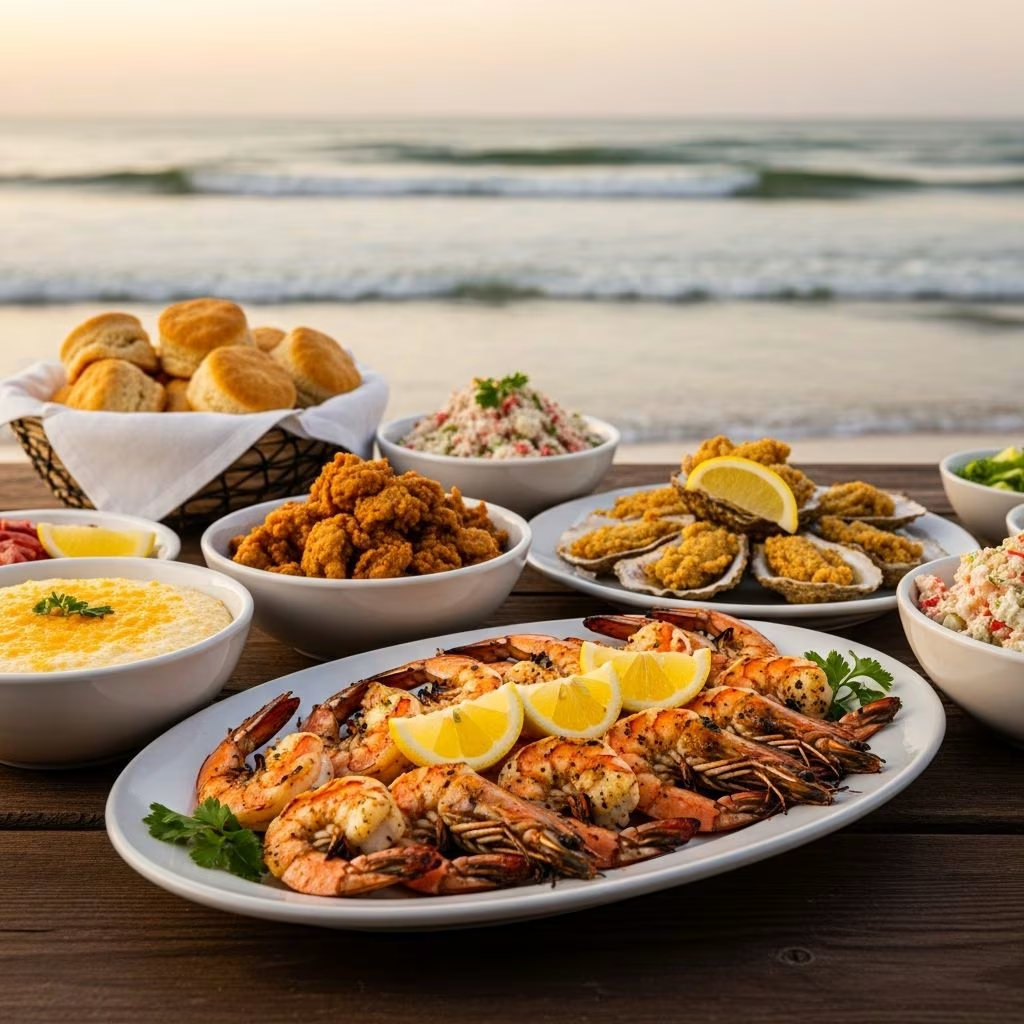
Alabama has emerged as an increasingly recognized hub for food enthusiasts seeking authentic Southern cuisine combined with coastal flavors and contemporary culinary innovation. The state’s culinary identity extends far beyond its famous barbecue, encompassing diverse food traditions influenced by Creole heritage, African American soul food, and fresh Gulf seafood. Whether you’re planning a weekend escape or an extended gastronomic journey, Alabama’s food landscape offers experiences that satisfy both casual diners and sophisticated palates.
Understanding Alabama’s Culinary Heritage
The foundation of Alabama’s food culture rests on centuries of cultural intersection and agricultural abundance. The state’s proximity to the Gulf of Mexico provides unparalleled access to fresh seafood, while its inland regions celebrate robust BBQ traditions and soul food preparations passed down through generations. This combination creates a uniquely diverse food scene where traditional recipes meet contemporary techniques, and where restaurants celebrate local ingredients with genuine hospitality.
Alabama’s food story is inseparable from its regional variations. Coastal areas emphasize seafood-centric menus featuring Gulf shrimp, oysters, and fresh fish. Inland destinations showcase regional barbecue styles with distinct sauce profiles and smoking techniques. Northern Alabama maintains its own culinary traditions, while central regions blend multiple influences into innovative dishes.
Coastal Exploration: Immersive Food Experiences
The Gulf Shores and Orange Beach region offers distinctive culinary pathways designed specifically for food travelers seeking cultural immersion alongside gastronomic adventure. Organized food trails provide guided experiences connecting multiple restaurants and food producers within thematic frameworks. These trails introduce visitors to local producers, regional ingredients, and the stories behind signature dishes.
The Oyster Trail represents one of the most popular culinary experiences, guiding participants through various oyster preparations ranging from traditional po’boys to inventive preparations like baked Mexican oysters. Meanwhile, the Mardi Gras Trail celebrates the region’s cultural heritage through seasonal beverages, traditional boudin balls, and King Cake-inspired offerings. These organized experiences transform dining from a simple meal into an educational journey revealing the area’s historical and cultural significance.
Fresh Seafood Sourcing and Market Experiences
For travelers interested in the complete food journey from ocean to table, Alabama’s seafood markets provide authentic experiences unavailable in most tourist destinations. Billy’s Seafood, operating since 1975 as a Gulf Shores staple, functions as both a working seafood market and resource for understanding daily catch availability. The open-air format allows visitors to observe actual unloading and processing while selecting ingredients for prepared meals or cooking experiences.
Specialized seafood vendors offer unique products and expertise. Blalock Seafood & Specialty Market has built its reputation on Gulf shrimp quality, while Aquila Seafood features distinctive Royal Red shrimp varieties. Safe Harbour Seafood rounds out the market experience with fresh shrimp, oysters, live crabs, and additional Gulf products, having maintained operations for more than three decades. These establishments serve both casual browsers and serious cooks seeking premium ingredients.
Dining Establishments: From Casual to Elevated
Alabama’s restaurant landscape accommodates varied preferences and occasion types. Casual beachside establishments prioritize fresh ingredients and relaxed atmospheres, while fine dining venues offer carefully curated menus reflecting regional traditions and seasonal availability.
Seafood-Focused Restaurants: King Neptune’s Seafood Restaurant has served the community for 25 years, establishing itself as a reliable destination for straightforward seafood preparations. Sea N Suds embraces a casual beach shack aesthetic, pairing fresh seafood with comforting sides and encouraging visitors to arrive as they are. DeSoto’s Seafood Kitchen provides quick options for travelers seeking sustenance between activities.
Contemporary Coastal Cuisine: The Hummingbird Way represents a newer generation of Alabama restaurants, emphasizing fresh produce and boat-to-table seafood sourcing from Gulf regions. Chef Jim Smith’s approach incorporates regional ingredients into reinvigorated Southern classics, offering white-cloth dining experiences alongside casual options.
Specialized Culinary Experiences
Beyond traditional restaurant dining, Alabama’s coastal regions offer distinctive food activities centered on visitor participation. “Cook Your Catch” experiences allow travelers to select fresh fish from markets or directly from fishing boats, then prepare meals under professional guidance. These immersive activities connect visitors directly to food sourcing while building cooking skills and creating memorable experiences.
Regional food producers throughout the state emphasize traditional preparation methods and family recipes. Establishments celebrating these traditions maintain recipes developed across generations, representing living food history accessible to contemporary diners.
Culinary Journey Planning Essentials
Successful food-focused travel through Alabama requires understanding regional distributions and travel logistics. The state’s culinary offerings stretch across significant distances, necessitating strategic route planning to maximize dining experiences while minimizing travel time.
| Region | Primary Cuisines | Key Experiences | Travel Duration |
|---|---|---|---|
| Gulf Coast | Fresh Seafood, Creole influences | Food trails, markets, casual dining | 2-3 days |
| Central Alabama | BBQ, Soul food, Italian | Established restaurants, markets, upscale dining | 2-3 days |
| Northern Alabama | Southern breakfast, regional BBQ | Diners, family establishments | 1-2 days |
| Black Belt Region | Cajun, Southern Soul food | Family restaurants, cultural dining | 1-2 days |
Seasonal Considerations and Timing
Alabama’s food scene functions year-round, though seasonal variations influence menu availability and dining experiences. Gulf seafood availability fluctuates with natural cycles, with certain species more abundant during specific months. Summer months bring peak tourism and extended restaurant hours, while shoulder seasons offer quieter experiences with personalized service.
Food festivals and special events occur throughout the calendar year, with seafood festivals concentrated in summer and fall months. Planning around these events allows visitors to combine casual dining with larger community celebrations featuring local producers and established restaurants.
Regional Specialties Worth Experiencing
Alabama’s distinct regions maintain signature dishes and preparation styles reflecting local traditions and ingredient availability. Understanding these specialties helps travelers prioritize experiences matching their culinary interests.
- Gulf Seafood: Fresh oysters prepared multiple ways, Gulf shrimp, fresh fish selections, and crab-based dishes represent coastal staples
- Barbecue Traditions: Hickory-smoked ribs with vinegar-based sauces, regional chicken preparations, and slow-cooked meats showcase inland expertise
- Creole Influences: Gumbo preparations, crawfish dishes, and spice-forward cuisine reflect Gulf Coast cultural heritage
- Soul Food Foundations: Collard greens, fried chicken, mac and cheese, and traditional side dishes connect to deep cultural roots
- Contemporary Innovation: Chefs throughout the state reinterpret traditional dishes using modern techniques while respecting historical foundations
Accommodation Strategies for Food Tourism
Choosing lodging based on culinary interests and restaurant proximity enhances the overall travel experience. Hotels located within or near dining districts reduce travel requirements between meals while enabling spontaneous dining discoveries. Many establishments cater specifically to food-focused travelers, offering restaurant recommendations and organizing specialized dining experiences.
Accommodation choices influence daily scheduling and dining flexibility. Beachfront properties provide direct access to waterfront restaurants and casual dining options, while central locations near restaurant concentrations facilitate diverse culinary explorations without extensive driving.
Local Resources and Expert Guidance
Tourist boards and culinary organizations throughout Alabama maintain current information about restaurants, markets, and specialized food experiences. Many destinations offer official food tour recommendations and curated itineraries developed by local food experts. These resources prove invaluable for identifying hidden establishments and understanding current operational status for seasonal venues.
Social media platforms and food-focused travel websites provide real-time updates from recent visitors, offering insights into current menu offerings and dining experiences. Restaurant websites typically feature seasonal menus and highlight signature dishes, allowing advance planning and reservation management.
Budget Considerations and Value Assessment
Alabama’s food scene accommodates various budget levels, from casual beachside establishments to upscale fine dining venues. Casual dining and market experiences typically cost significantly less than formal restaurant meals, allowing budget-conscious travelers to maximize culinary experiences within spending constraints. Many established restaurants offer lunch pricing lower than dinner menus, enabling midday exploration with reduced costs.
Frequently Asked Questions About Alabama Food Travel
When is the best time to visit Alabama for food experiences?
Summer and early fall offer optimal conditions with peak seafood availability, extended restaurant hours, and numerous food festivals. However, shoulder seasons provide quieter experiences with personalized service and lower prices.
What makes Alabama’s seafood unique?
Gulf of Mexico proximity provides access to exceptionally fresh fish, shrimp, and oysters harvested daily and prepared within hours of landing. The region’s Creole influences also create distinctive preparation styles unavailable elsewhere.
Are food trails suitable for all dietary preferences?
While traditional trails emphasize regional specialties, most establishments accommodate dietary restrictions and preferences. Advance communication with food trail organizers allows customized experiences.
How many days should I allocate for a comprehensive food tour?
A meaningful culinary experience requires minimum three to four days, allowing time for multiple regional explorations and leisurely dining. Longer trips enable deeper engagement with specific regions and culinary traditions.
What transportation options work best for food-focused travel?
Personal vehicles provide maximum flexibility for market visits and region hopping. Ride-sharing services accommodate travelers who prefer not driving between dining venues.
Conclusion: Creating Memorable Culinary Experiences
Alabama’s emergence as a serious food destination reflects the state’s commitment to celebrating culinary heritage while embracing contemporary innovation. The combination of fresh Gulf seafood, established barbecue traditions, soul food authenticity, and creative culinary approaches creates diverse experiences satisfying varied palates and travel styles[10].
Successful food tourism in Alabama extends beyond simply eating; it involves understanding regional histories, connecting with local producers, and appreciating the cultural significance embedded within traditional dishes. By approaching travel with genuine curiosity and openness to regional traditions, visitors create meaningful connections to communities and discover the authentic flavors defining Southern cuisine.
References
- Alabama Travel Itinerary for Foodies: Mobile, Marion, Montgomery, Auburn and Birmingham — Darley Newman. https://www.darley-newman.com/itinerary-collection/alabama-for-foodies-mobile-montgomery-birmingham-and-beyond
- A Culinary Road Trip Through Alabama with Martie Duncan — North Alabama Tourism. https://www.northalabama.org/blog/post/a-culinary-road-trip-through-alabama-with-martie-duncan/
- Taste the food of Alabama USA – 20 dishes you’ll want to try — Heather on Her Travels. https://www.heatheronhertravels.com/alabama-food-usa/
- An Alabama Road Trip Every Foodie should take – AAA — AAA. https://www.ace.aaa.com/content/ace-www/en/publications/travel/us-destinations/alabama/road-trip-for-foodies.html
- A 4-Day Itinerary for Food Lovers in Alabama’s Beaches — AFAR. https://www.afar.com/journeys/alabama-food-travel-itinerary
- Foodie Getaway: Alabama Beaches Best Food — Gulf Shores Official Tourism. https://www.gulfshores.com/restaurants/foodie-getaway/
- Food Tour Itineraries In Mobile, AL | Restaurants & Bars — Mobile Convention and Visitors Bureau. https://www.mobile.org/things-to-do/itineraries/a-taste-of-mobile/
On This Page
Understanding Alabama's Culinary Heritage Coastal Exploration: Immersive Food Experiences Fresh Seafood Sourcing and Market Experiences Dining Establishments: From Casual to Elevated Specialized Culinary Experiences Culinary Journey Planning Essentials Seasonal Considerations and Timing Regional Specialties Worth Experiencing Accommodation Strategies for Food Tourism Local Resources and Expert Guidance Budget Considerations and Value Assessment Frequently Asked Questions About Alabama Food Travel Conclusion: Creating Memorable Culinary Experiences← Previous
6-Day Spring Itinerary for Copenhagen
Next →
Best Family Vacation Guide to Alabama’s Gulf Coast
Related Reading
More in Food & Culture
Food & Culture Food & Culture
 Food & Culture
Best Places to Eat in Rome: Neighborhood Dining Guide
 Food & Culture
 Food & Culture