

 Travel Essentials
 Travel Essentials

A comprehensive guide to Alabama's top attractions, from civil rights landmarks and vibrant cities to Gulf beaches and Appalachian mountains.
 Travel Essentials
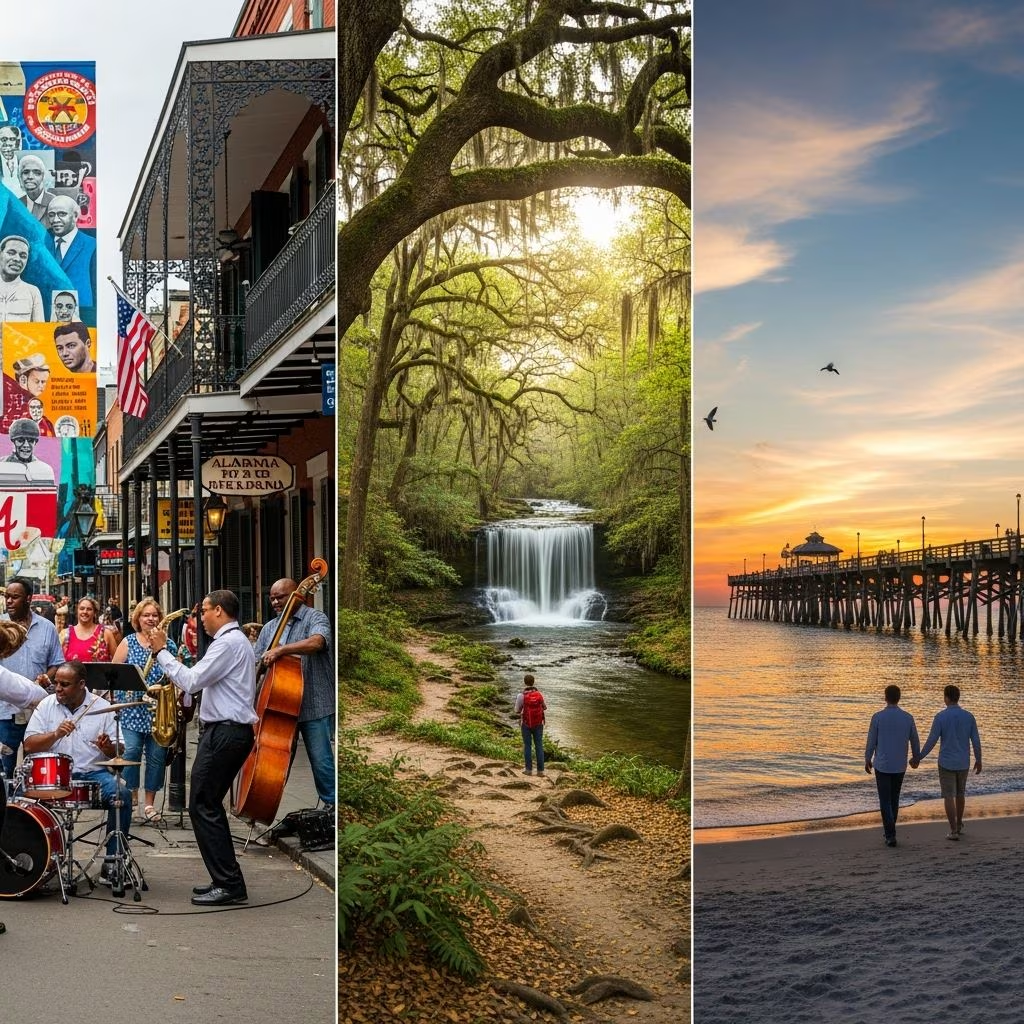
Alabama stands as one of America’s most multifaceted destinations, offering visitors an authentic glimpse into the Deep South’s complex history, vibrant culture, and natural splendor. From the forested mountains of the north to the sun-kissed beaches of the Gulf Coast, this state presents an extraordinary range of experiences that appeal to history enthusiasts, outdoor adventurers, music lovers, and cultural explorers alike. Whether you seek to understand pivotal moments in American history, experience world-class musical traditions, or simply unwind in a welcoming Southern atmosphere, Alabama delivers memorable encounters at every turn.
Alabama’s geography creates distinct regional identities, each offering unique attractions and characteristics. The state stretches across multiple landscape zones, from elevated terrain in the north to coastal lowlands in the south, creating opportunities for varied travel experiences within a single destination.
Northern Mountains and Highland Regions: The northern section of Alabama features the foothills of the Appalachian Mountains, where visitors encounter inspiring mountain vistas and outdoor recreation opportunities. The city of Huntsville serves as a major hub in this region, home to significant aerospace and scientific institutions. Nearby Cheaha Mountain represents the highest natural point in Alabama at 2,407 feet (734 meters), offering hiking trails and panoramic overlooks for outdoor enthusiasts. The area surrounding Cullman and Decatur provides additional attractions, including the Ave Maria Grotto and various historical museums, making the north ideal for visitors seeking elevation, fresh mountain air, and educational experiences.
Central Urban Corridor: The heart of Alabama contains the state’s most urbanized and culturally vibrant zones. Birmingham, Alabama’s largest city, anchors this region with contemporary restaurants, stylish bars, museums, and galleries that showcase the state’s industrial and cultural heritage. Tuscaloosa, home to the University of Alabama, presents a quintessential college-town atmosphere with youthful energy and academic resources. This central region balances metropolitan sophistication with Southern charm, appealing to travelers interested in urban exploration and cultural institutions.
The Gulf Coastal Region: Alabama’s southwestern coastline stretches for 32 miles of pristine white sand beaches along the Gulf of Mexico. Gulf Shores, Orange Beach, and nearby Dauphin Island offer beach activities, championship golf courses, and seafood dining that define coastal Southern hospitality. Mobile, Alabama’s only major port city and its largest Gulf-facing metropolis, combines waterfront charm with historic architecture and cultural attractions.
Few states can claim as profound an influence on American music as Alabama. The state served as a birthplace for multiple musical genres and produced legendary artists whose contributions continue to resonate globally. Understanding Alabama’s musical heritage provides insight into the broader American cultural narrative.
The northwestern city of Florence holds particular significance in the history of blues and soul music. Visitors can explore the W.C. Handy Birthplace, Museum & Library to learn about the contributions of the “Father of the Blues,” whose compositional innovations laid groundwork for jazz and blues traditions. The renowned FAME Recording Studios, located in the region, represents the physical space where countless artists recorded influential works that defined American popular music.
Central Alabama hosts the Alabama Jazz Hall of Fame, celebrating the sophisticated improvisational traditions that emerged from African American communities and influenced global musical aesthetics. Meanwhile, the southern regions honor country music’s legacy through institutions like the Hank Williams Museum, dedicated to preserving the life and artistry of a country-western legend whose influence extends far beyond genre boundaries.
This musical infrastructure reflects Alabama’s role not merely as a geographic location but as a creative crucible where different traditions intersected, blended, and produced innovations that transformed popular music worldwide.
Alabama occupies a central position in American civil rights history. The state witnessed transformative moments and movements that fundamentally altered the nation’s trajectory toward equality and justice. Montgomery, the state capital and former capital of the Confederacy, contains numerous sites related to both Civil War history and the modern civil rights movement. These historical landmarks provide visitors with opportunities to engage deeply with complex narratives that shaped American society.
Beyond formal monuments, Alabama’s smaller towns and communities preserve stories of ordinary individuals who participated in extraordinary historical moments. Visiting these locations offers not merely educational value but also emotional resonance, as travelers encounter spaces where pivotal decisions were made and brave actions taken.
Mountain Trails and Wilderness Areas: Alabama’s natural landscape provides abundant opportunities for hiking, camping, and backcountry exploration. The Sipsey Wilderness features old-growth forest with dozens of cascading waterfalls, offering immersive forest experiences for serious hikers. The Pinhoti National Recreation Trail extends approximately 171 miles through hilly forests of eastern Alabama, providing multiple sites for overnight camping and long-distance trekking. Mount Cheaha State Park offers established trails with scenic overlooks, making mountain recreation accessible to visitors with varying skill levels.
Water-Based Activities: Beyond mountains, Alabama’s rivers, lakes, and coastal waters support recreational activities. Scenic river exploration, kayaking, and fishing opportunities abound throughout the state. The Gulf Coast provides traditional beach activities, watersports, and water recreation for visitors seeking warmer-weather pursuits.
Golf Destinations: The Robert Trent Jones Golf Trail features ten public golf courses distributed throughout Alabama, with pricing ranging from $40 to $125 per course. This trail represents a significant golf destination, attracting enthusiasts who appreciate championship-caliber courses in scenic Southern settings.
Alabama’s major cities blend historical significance with contemporary vitality, offering visitors sophisticated urban experiences alongside authentic Southern character.
Birmingham: As Alabama’s largest city, Birmingham has transformed into a vibrant cultural center featuring upscale dining establishments, contemporary galleries, and museums dedicated to explaining regional history and heritage. The city represents urban renewal and cultural sophistication within the Deep South context.
Montgomery: The state capital functions as a political and historical center, with attractions reflecting both Confederate history and the modern civil rights movement. Montgomery serves as an essential stop for visitors seeking to understand Alabama’s complex historical narrative.
Mobile: This historic port city combines waterfront charm with cultural attractions. The USS Alabama Battleship Memorial Park features authentic naval vessels from different military eras, providing hands-on historical education. Mobile’s location on the Gulf provides coastal access and maritime heritage that distinguishes it from inland Alabama cities.
Huntsville: Located in northern Alabama, Huntsville serves as a center for aerospace innovation and scientific advancement. The U.S. Space and Rocket Center attracts visitors interested in space exploration history and technological achievement.
Alabama’s compact size facilitates regional exploration and day-trip planning. Visitors can experience multiple distinct environments and attractions within manageable driving distances, maximizing their travel efficiency while minimizing fatigue.
| Region | Primary Cities | Key Attractions | Best For |
|---|---|---|---|
| Northern Mountains | Huntsville, Decatur, Cullman | Cheaha Mountain, Space & Rocket Center, Ave Maria Grotto | Hiking, history, technology |
| Central Urban | Birmingham, Tuscaloosa | Museums, galleries, universities | Culture, urban exploration |
| River Heritage | Montgomery, Auburn, Dothan | Historic sites, colleges | History, education |
| Gulf Coast | Mobile, Gulf Shores, Orange Beach | Beaches, seafood, USS Alabama | Beach relaxation, water sports |
Automobile travel represents the optimal method for exploring Alabama, offering flexibility and scenic route options. Interstate highways converge on major cities including Montgomery, Birmingham, and Mobile, facilitating quick transportation between these hubs and connections to neighboring states. While public transportation exists in urban centers, personal vehicle rental provides maximum freedom for visitors seeking to experience Alabama’s diverse regions independently.
Alabama’s food culture reflects Deep South traditions emphasizing fresh seafood, slow-cooked preparations, and generous hospitality. Coastal regions emphasize fresh Gulf seafood prepared in traditional and contemporary styles. Inland areas showcase comfort food traditions, barbecue specialties, and regional recipes passed through generations. Urban centers offer sophisticated dining experiences alongside casual establishments serving authentic regional cuisine.
Alabama’s subtropical to humid continental climate varies by region. Spring (March–May) and fall (September–November) offer pleasant temperatures ideal for outdoor activities and urban exploration. Summer brings heat and humidity, particularly appealing to beach enthusiasts but potentially challenging for mountain hikers. Winter generally remains mild, with snow unlikely in most regions, making winter visits feasible for visitors avoiding Northern cold.
Accommodations: Alabama offers diverse lodging options ranging from luxury hotels in major cities to beachfront resorts, mountain cabins, and charming bed-and-breakfasts in smaller towns. Booking platforms provide extensive options for different budgets and preferences.
Visitor Resources: The Alabama Tourism Department maintains comprehensive information about attractions, events, and travel planning resources. Major cities operate visitor centers providing local recommendations and detailed guides.
Tourism Impact: Alabama’s tourism sector demonstrates significant economic importance. In 2024, nearly 29 million visitors explored the state, generating $23.9 billion in spending and supporting 248,590 jobs statewide. This robust tourism activity indicates well-developed visitor infrastructure and attractions.
Q: What is the best time to visit Alabama?
A: Spring and fall offer ideal weather for outdoor activities and exploration. Summer suits beach visits, while mild winters accommodate year-round visitation.
Q: How many days should I plan for an Alabama visit?
A: A week allows comprehensive regional exploration. Shorter visits (3–4 days) can focus on specific regions like the Gulf Coast or central cities.
Q: What are Alabama’s must-see attractions?
A: Prioritize regional music venues, civil rights historical sites, natural areas like Cheaha Mountain, Gulf beaches, and major cities’ cultural institutions.
Q: Is Alabama expensive to visit?
A: Alabama generally offers affordable travel compared to many U.S. destinations, with competitive accommodations, dining, and attraction pricing.
Q: Do I need a car to explore Alabama?
A: While urban centers have some public transportation, a personal vehicle provides optimal flexibility for experiencing Alabama’s diverse regions.
