

 Travel Essentials
 Travel Essentials

Comprehensive guide to Alberta covering outdoor adventures, urban attractions, Indigenous experiences, and practical travel tips for planning your perfect Rocky Mountain escape.
 Travel Essentials
Alberta stands as one of Canada’s most compelling destinations, offering an extraordinary blend of natural wonders, cosmopolitan urban centers, and deeply rooted cultural heritage. Nestled where the Canadian Rockies meet the Great Plains, this province captivates travelers with its diverse landscapes, from pristine alpine lakes to sweeping prairie vistas. Whether you’re seeking adrenaline-fueled adventures, cultural immersion, or peaceful retreats in nature, Alberta delivers unforgettable experiences that will reshape your understanding of Canada’s western frontier.
Determining how long to spend in Alberta depends on your interests and travel style. For first-time visitors, allocating between 7 and 14 days allows you to sample both urban attractions and mountain experiences without feeling rushed. If you’re focused primarily on the Rocky Mountains region, 5-7 days suffices for exploring key destinations, while 10-14 days enables a more leisurely pace that includes both mountain parks and city exploration.
Alberta’s geographic size demands strategic planning regarding entry points. The province hosts two major international airports: Calgary International Airport serves the southern regions, including Banff, Lake Louise, and the Badlands, while Edmonton International Airport provides access to northern attractions and Jasper National Park. For those preferring scenic train journeys, VIARail’s Canada Line connects Toronto and Vancouver through Edmonton and Jasper, while Rocky Mountaineer operates routes from Seattle and Vancouver to multiple Alberta destinations.
The Canadian Rockies form Alberta’s most iconic landscape, anchored by world-renowned national parks that protect over 20,000 square kilometers of pristine mountain terrain. These protected areas showcase dramatic peaks, turquoise glacial lakes, thundering waterfalls, and abundant wildlife, creating a landscape that seems almost unreal in its beauty.
Banff National Park represents the heart of Alberta’s mountain tourism, encompassing more than 6,000 square kilometers of unspoiled wilderness. This UNESCO World Heritage Site anchors one of North America’s most visited national parks, attracting millions annually who come to witness its extraordinary natural wonders. The park offers an astonishing array of activities and amenities, including over 1,000 kilometers of marked hiking trails ranging from gentle lakeside walks to challenging alpine routes.
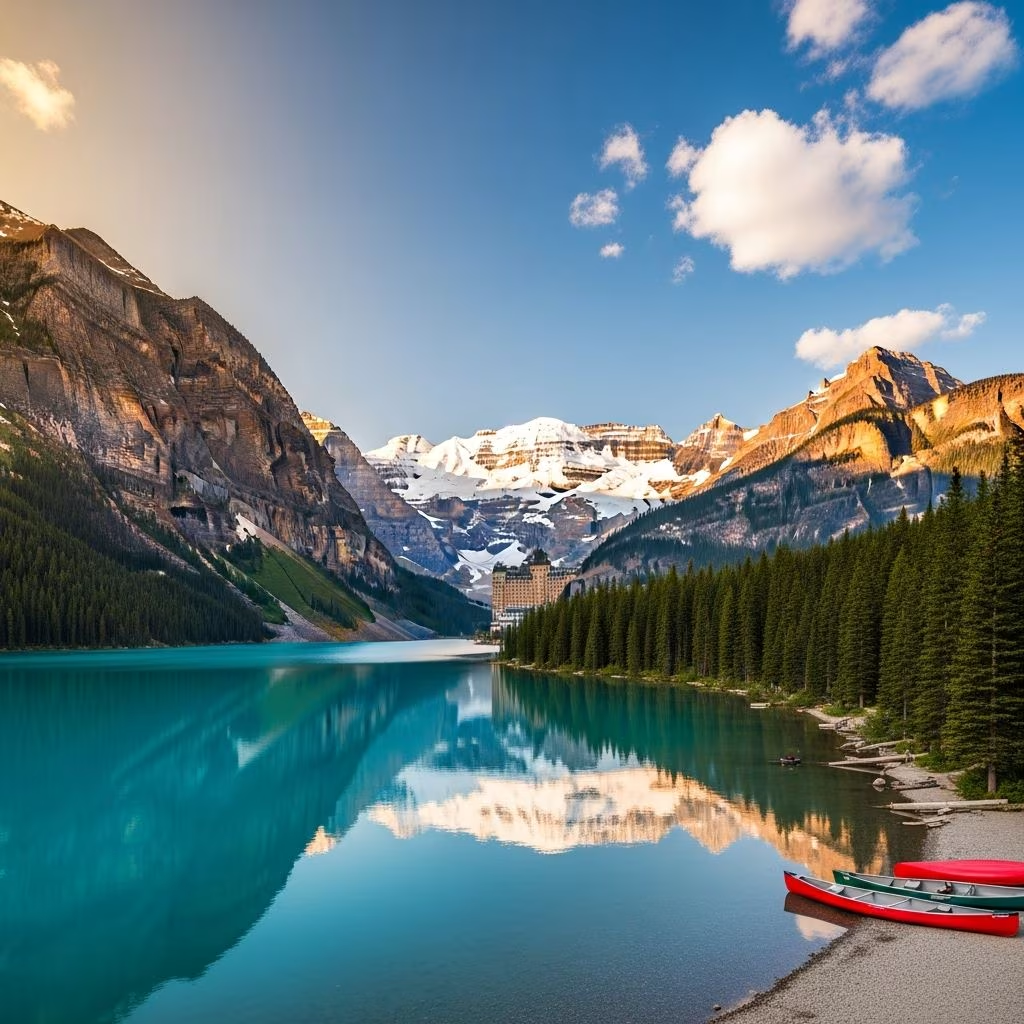
Lake Louise, the park’s most photographed feature, captivates visitors with its distinctive turquoise waters reflecting surrounding snow-capped peaks. This glacial-fed lake offers kayaking, canoeing, hiking, and photography opportunities, while the surrounding trails provide both accessible day hikes and challenging multi-day backcountry expeditions.
Moraine Lake rivals Lake Louise in scenic magnificence, though its smaller size and lower accessibility create a more intimate experience. The Valley of Ten Peaks hiking trail encircles this stunning lake, offering panoramic views of turquoise waters framed by jagged mountain summits. Additionally, the Banff Gondola provides rapid elevation gain, delivering mountain-top views and alpine hiking without requiring the full physical exertion of trail ascents.
Beyond sightseeing, Banff functions as a comprehensive mountain resort destination offering diverse recreational opportunities. The park features a 27-hole championship golf course carved through mountain meadows, multiple ski hills providing world-class winter sports, three natural hot springs offering therapeutic soaking experiences, and numerous adventure outfitters providing white-water rafting on the Kicking Horse River and other thrilling pursuits.
Year-round activities ensure visiting in any season offers compelling experiences. Summer brings optimal hiking conditions, wildflower blooms, and alpine lake activities, while winter transforms the landscape into a snowy wonderland perfect for skiing, snowshoeing, and ice climbing.
Located north of Banff, Jasper National Park offers a more rugged, less-crowded mountain experience while maintaining stunning natural beauty. This sprawling park emphasizes backcountry exploration and wildlife viewing, attracting adventurers seeking authentic wilderness immersion.
Maligne Canyon ranks among Jasper’s premier attractions, featuring a dramatic gorge carved by the Maligne River with multiple viewing platforms and hiking trails offering different perspectives of the canyon’s sheer walls and cascading waters. Maligne Lake, the park’s largest body of water, enables boat cruises through pristine alpine scenery while providing excellent fishing and kayaking opportunities.
The Icefields Parkway represents one of the world’s most spectacular mountain drives, connecting Banff and Jasper across 232 kilometers of breathtaking scenery. This engineering marvel winds through narrow mountain valleys, crosses multiple passes, and offers numerous pullouts showcasing Peyto Lake’s striking turquoise waters, Athabasca Glacier’s retreating ice formations, and countless other natural wonders. Many visitors traverse this route in both directions to capture different lighting conditions and perspectives.
Positioned between Calgary and Banff, Kananaskis Provincial Park offers exceptional mountain experiences with notably fewer crowds than neighboring national parks. This vast protected area encompasses stunning alpine scenery, crystal-clear lakes, and an extensive trail network suitable for hikers of all abilities.
The Ptarmigan Cirque trail delivers breathtaking alpine views with moderate difficulty, while Grassi Lakes Trail provides accessible scenic hiking suitable for families. Mountain biking enthusiasts find excellent trail systems, and Boundary Ranch offers horseback trail rides and dogsledding experiences during winter months, enabling visitors to explore landscapes inaccessible by foot.
While mountain attractions dominate Alberta tourism, the province’s major cities deserve substantial time for exploration. Calgary and Edmonton function as vibrant metropolitan centers offering cultural institutions, culinary scenes, and urban outdoor amenities that complement mountain adventures.
Canada’s fourth-largest city blends western heritage with modern dynamism, creating a unique urban personality. The Calgary Stampede, held annually in July, celebrates western culture through ten days of rodeos, chuck wagon races, parades, and cultural performances, attracting hundreds of thousands of visitors worldwide.
Urban cycling represents Calgary’s signature outdoor activity, with the Bow River pathway network creating North America’s most extensive urban bikeway system. Cyclists traverse this 1,000+ kilometer network while enjoying views of the Peace Bridge’s striking architecture and passing the Calgary Central Library, a beloved contemporary landmark combining functionality with artistic design.
Studio Bell, home to the National Music Centre, offers five floors of interactive exhibits exploring Canada’s musical heritage. Visitors can play various instruments, perform in vocal booths, and immerse themselves in multimedia presentations documenting the nation’s diverse musical traditions.
As Alberta’s capital and northern cultural center, Edmonton showcases cosmopolitan attractions while maintaining proximity to northern wilderness. The Edmonton River Valley provides outdoor recreation including canoeing and kayaking with Edmonton Canoe outfitters, plus nearby attractions like Snow Valley Ski Hill, an aerial park, the Valley Zoo, and the Muttart Conservatory with its distinctive glass pyramid structures.
The Glenbow Museum stands as Alberta’s largest museum, presenting comprehensive provincial history from Indigenous times through contemporary periods, supplemented by rotating international art exhibitions. The Alberta Art Gallery of Alberta features extensive collections of Canadian and international artwork within a striking modern building designed to inspire artistic appreciation.
Alberta’s cultural landscape reflects deep Indigenous roots, with numerous UNESCO-recognized sites and immersive experiences enabling visitors to understand and appreciate First Nations and Métis cultures.
Blackfoot Crossing Historical Park, located southeast of Calgary, provides authentic exhibitions and guided tours exploring Blackfoot heritage, history, and contemporary culture. The Calgary Stampede Powwow celebration honors Indigenous traditions through music, dance, and ceremonial performances alongside the broader stampede festivities. Fort Edmonton Park incorporates an Indigenous Peoples’ Experience multimedia exhibition presenting stories and cultural knowledge of the region’s original inhabitants.
Métis Crossing, positioned northeast of Edmonton, celebrates Métis culture through interactive activities including traditional voyageur canoe paddling and wildlife tours showcasing sacred white bison, creating memorable cultural connections while supporting Indigenous communities.
Travelers exploring the Canadian Rockies benefit from structured itineraries balancing multiple destinations and activity types. A well-rounded 10-day adventure might begin with three days in Calgary experiencing urban attractions and preparing for mountain adventures, followed by three nights in Banff exploring Lake Louise, Moraine Lake, and canyon hikes, then three nights in Jasper discovering Maligne Canyon and backcountry trails, concluding with a return journey on the Icefields Parkway.
Those preferring a focused mountain experience might concentrate five days entirely within Banff and Lake Louise region, allowing time for multiple trail explorations and unhurried mountain exploration. Alternatively, adventure seekers might combine Kananaskis Country exploration with subsequent Banff visits, distributing activities across multiple days for deeper immersion.
Alberta’s diverse landscapes support specialized outdoor pursuits catering to various skill levels and interests. Mountaineering expeditions tackle technical peaks for experienced climbers, while via ferrata routes provide thrilling climbing experiences with fixed anchors and cables protecting participants. Winter enthusiasts enjoy world-class skiing, snowshoeing through pristine snow, and ice climbing on frozen waterfalls.
Wildlife viewing represents another compelling draw, with grizzly bear watching, elk spotting, and bighorn sheep observation creating memorable encounters with Alberta’s abundant fauna. Photographers find endless opportunities capturing dramatic mountain lighting, turquoise lakes, and cascading waterfalls across changing seasons.
Lodging options range from luxury mountain resorts to rustic backcountry shelters, with camping representing a quintessential Alberta experience. Peak summer season demands early campground reservations, particularly at popular sites like Whistlers in Jasper and Tunnel Mountain in Banff offering fully serviced sites with modern amenities alongside more rustic options. Glamping operations blend nature experiences with contemporary comfort, appealing to visitors seeking outdoor immersion without sacrificing amenities.
| Season | Best Activities | Weather Patterns | Visitor Volume |
|---|---|---|---|
| Summer (June-August) | Hiking, lake activities, mountaineering, wildlife viewing | Warm days (15-25°C), cool nights, occasional afternoon thunderstorms | Peak season; popular sites crowded |
| Fall (September-October) | Hiking, photography, wildlife viewing, fewer crowds | Crisp mornings, mild afternoons (5-15°C), early snow possible | Shoulder season; fewer visitors than summer |
| Winter (November-March) | Skiing, snowshoeing, ice climbing, winter driving caution | Cold temperatures (-15 to 5°C), heavy snowfall, icy conditions | Ski season crowds mid-December through February |
| Spring (April-May) | Early hiking, wildlife spotting, wildflower viewing | Variable conditions, residual snow at elevation, warming trend | Fewer visitors; some trails still snow-covered |
Summer (June-August) offers optimal weather for hiking and mountain activities, though crowds peak during this season. September provides excellent conditions with fewer visitors and spectacular fall colors. Winter suits ski enthusiasts but requires cold-weather driving skills.
Minimum 5-7 days enables focused mountain exploration, while 10-14 days allows comprehensive city and mountain experiences. First-time visitors ideally spend 2-3 days each in Calgary or Edmonton plus 5-7 days exploring Banff, Jasper, and surrounding parks.
For independent mountain exploration, a rental vehicle is essential. Public transportation exists in cities but cannot access most mountain attractions and parks efficiently.
Gondola rides, scenic drives, and lakeside strolls accommodate all abilities. Moderate hikers enjoy lakeside trails and canyon walks, while experienced mountaineers tackle alpine peaks and technical routes.
Reserve accommodations 2-3 months advance for peak summer season, particularly for mountain lodges and desirable campsites. Spring and fall travel allows more flexible booking.
Alberta transcends typical vacation destinations, offering transformative experiences that blend outdoor adventure, cultural immersion, and natural majesty. From turquoise alpine lakes reflecting jagged peaks to vibrant urban centers celebrating heritage and innovation, Alberta accommodates diverse travel styles and interests. Whether hiking through pristine wilderness, learning Indigenous histories, cycling through urban pathways, or simply absorbing mountain vistas, Alberta creates lasting memories and often inspires return visits. Strategic planning regarding timing, route selection, and activity preferences ensures your Alberta adventure aligns with personal preferences while maximizing this remarkable province’s considerable offerings.
