


 Food & Culture
Food & Culture
Alentejo Food Guide: Portugal’s Rustic Regional Cuisine
Explore Alentejo's gastronomic treasures: from black pork masterpieces and bread-based soups to coastal seafood and convent sweets, paired with world-class wines.
 Food & Culture
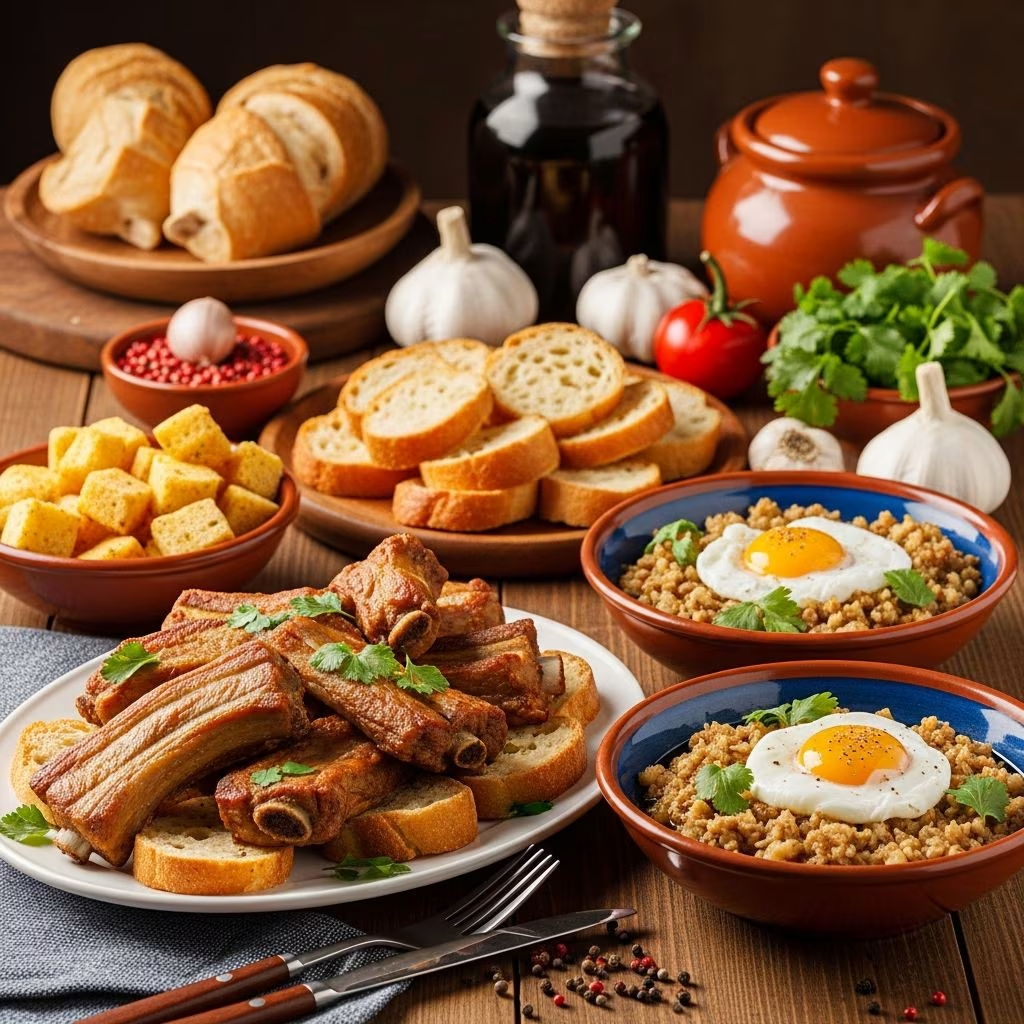
Portugal’s Alentejo region captivates with its unhurried pace and profound connection to the land, where every meal tells a story of generations past. This vast interior expanse, dotted with cork oak groves and rolling plains, yields ingredients that form the backbone of a cuisine defined by simplicity, seasonality, and bold flavors. Pork reigns supreme, breads transform humble staples into feasts, and wines from ancient vineyards elevate the experience. Coastal fringes add seafood vibrancy, while desserts whisper of monastic ingenuity. Here, dining is communal, often shared at long tables under olive trees or in family-run taverns.
The Heart of Alentejo: Pork and Its Glorious Preparations
At the core of Alentejan gastronomy lies porco preto, the black Iberian pig that roams free in montado woodlands, fattened on acorns for marbled, nutty meat of unparalleled tenderness. This breed’s fat infuses dishes with richness, making it ideal for slow cooking or grilling. Beyond porco preto, local pork features in everyday fare, reflecting the region’s agrarian roots where pigs provide from snout to tail.
One emblematic dish is carne de porco à Alentejana, a masterful union of marinated pork chunks and clams, simmered in lard with paprika, garlic, and coriander. Fried potatoes absorb the briny, spicy broth, creating Portugal’s quintessential surf-and-turf. In Vendas Novas, roadside spots specialize in bifanas—juicy pork steaks slathered in mustard and garlic sauce, tucked into crusty rolls for a portable delight.
Offal shines too: salada de orelha (pig’s ear salad) chills in vinaigrette with onions and herbs, while pezinhos de coentrada (pork trotters with coriander) offers gelatinous texture punched up by vinegar and greens. These petiscos—small plates—perfectly accompany local beers or wines, embodying nose-to-tail philosophy.
Bread: The Unsung Hero of Every Table
No Alentejan meal lacks pão Alentejano, a dense, rustic loaf baked from wheat flour with a natural leavening that yields a chewy crumb and thick crust. Its neutrality soaks up oils, soups, and sauces, preventing waste in a historically frugal society. Elders insist on it with every dish, from stews to cheeses.
Bread elevates into stars like açorda, a soaked bread soup laced with olive oil, garlic, coriander, and often poached eggs or salted cod. Variants abound: açorda Alentejana with bacalhau or seafood, thick and aromatic. Migas crumbles bread with hot water, garlic, and olive oil, fried crisp to pair with meats or greens. These sustain during harvests or lean times, showcasing ingenuity.
Soups and Stews: Comfort from the Plains
Alentejo’s scorching summers and chilly winters inspire soups that refresh or warm. Sopa de cação, dogfish marinated in vinegar then simmered with paprika, bay, and coriander over bread slices, evokes maritime heritage despite inland roots. Gaspacho à Alentejana dices tomatoes, cucumbers, and bread, doused in oil, vinegar, and oregano for a chunky, cooling salad-soup unlike its blended Andalusian kin.
Tomato soup (sopa de tomate) gains heartiness with poached eggs and bread chunks. Lamb shines in ensopado de borrego, a peasant stew of slow-braised shoulder with herbs and potatoes, tender from rural hearths. Cozido à Alentejana layers pork, beef, sausages, and veggies in a one-pot feast.
Coastal Bounty and Seafood Delights
Though landlocked mostly, Alentejo’s southwest Vicentine Coast boasts cliffs, beaches, and pristine waters yielding seafood gems. Vila Nova de Milfontes’ tascas grill percebes (gooseneck barnacles), octopus for salada de polvo, garlic prawns (camarão ao alhinho), and whelk salads. Bacalhau dourado bakes cod with eggs and potatoes, golden and comforting.
Inland rivers add eel and lamprey, but coast rules with freshness. Petiscos like salada de ovas (roe salad) or lupin beans (tremoços) start meals lightly.
Meats Beyond Pork: Lamb, Beef, and Game
Diverse livestock enriches plates. Carne Alentejana DOP beef offers juicy steaks, while lamb (borrego) stews yield fall-off-bone succulence. Wild boar and game appear seasonally, roasted with wild herbs. Chicken empadas—flaky pies stuffed with spiced meat—serve as appetizers.
Cheeses, Olives, and Antipasti
Sheep’s milk crafts queijo de Serpa, a creamy, pungent PDO cheese worth a detour. Olives, marinated in garlic and oregano, plus sausages (enchidos) and hams like presunto do Alentejo grace charcuterie boards. Wild mushrooms, asparagus, and purslane soups highlight foraged treasures.
Sweet Endings from Convent Kitchens
Monastic sweets endure: sericaia custards cinnamon cake with plum sauce; pão de rala shreds sweet bread with nuts; encharcadas soaks sponge in honey syrup; barrigas de freira mimics nuns’ bellies with yolk-rich dough. Egg yolks, almonds, and pumpkin define these indulgences.
Wines That Complete the Feast
Alentejo’s 20,000 hectares produce robust reds from aragonez and alicante bouschet, whites from arinto. Esporão Reserve pairs lamb; colheitas match seafood. Flights in wineries like Herdade do Esporão reveal terroir.
| Dish | Key Ingredients | Recommended Wine |
|---|---|---|
| Carne de Porco à Alentejana | Pork, clams, coriander | Esporão Private Selection Red |
| Açorda Alentejana | Bread, cod, eggs | Arinto White |
| Ensopado de Borrego | Lamb stew | Reserva Red |
| Sopa de Cação | Dogfish, spices | Light Rosé |
Where to Savor Authentic Flavors
- Sabores de Monsaraz: Clifftop rustic spot for bacalhau and sericaia, run by welcoming Dona Isabel.
- Tasca do Celso: Vila Nova de Milfontes seafood haven with roaring fires and vast cellars.
- Pedro Pena Bastos’ Venue: Seasonal tasting menus with local lamb and producers’ bounty.
- Vendas Novas bifana shacks for quick pork bites.
FAQs
What is the most famous dish from Alentejo?
Carne de porco à Alentejana, blending pork and clams in a spicy, herby stew.
Is Alentejo cuisine vegetarian-friendly?
Limited, but bread soups, gaspacho, cheeses, olives, and wild greens offer options.
What wines pair best with Alentejo food?
Full-bodied reds for meats, crisp whites for seafood.
Can I find Alentejo specialties outside the region?
Yes, in Lisbon or Porto Portuguese spots, but authenticity peaks locally.
Best time for Alentejo dining?
Spring/fall for mild weather and harvests; summer for seafood.
Alentejo dining transcends eating—it’s immersion in a living heritage where soil, sea, and sky converge on the plate. Visitors leave with full bellies and deeper appreciation for Portugal’s soulful south.
References
- The Alentejo: dining in Portugal’s land of tradition — Lonely Planet. 2023. https://www.lonelyplanet.com/articles/the-alentejo-dining-in-portugals-land-of-tradition
- Alentejo And Algarve: Culinary Traditions Of The South Of Portugal — Oh My Cod Tours. 2023. https://www.ohmycodtours.com/blog/algarve-alentejo-traditiona-food-best-restaurants/
- Alentejo food, gastronomy in Alentejo Portugal – Évora — Visit Evora. 2023. https://www.visitevora.net/en/food-alentejo-gastronomy/
- Flavours of Alentejo — Visit Portugal. 2023. https://www.visitportugal.com/en/content/flavours-alentejo
On This Page
The Heart of Alentejo: Pork and Its Glorious Preparations Bread: The Unsung Hero of Every Table Soups and Stews: Comfort from the Plains Coastal Bounty and Seafood Delights Meats Beyond Pork: Lamb, Beef, and Game Cheeses, Olives, and Antipasti Sweet Endings from Convent Kitchens Wines That Complete the Feast Where to Savor Authentic Flavors FAQs← Previous
Best Places to Visit in May for Budget Travel
Next →
Free Things to Do in Shanghai: Parks, Views & Culture
Related Reading
More in Food & Culture
Food & Culture Food & Culture
 Food & Culture
Best Places to Eat in Rome: Neighborhood Dining Guide
 Food & Culture
 Food & Culture