

 Travel Essentials
 Travel Essentials

Dive into Algeria's Sahara with this comprehensive guide covering top destinations like Djanet, Tamanrasset, and Ghardaïa, travel logistics, guided tours, and essential tips for an unforgettable adventure.
 Travel Essentials
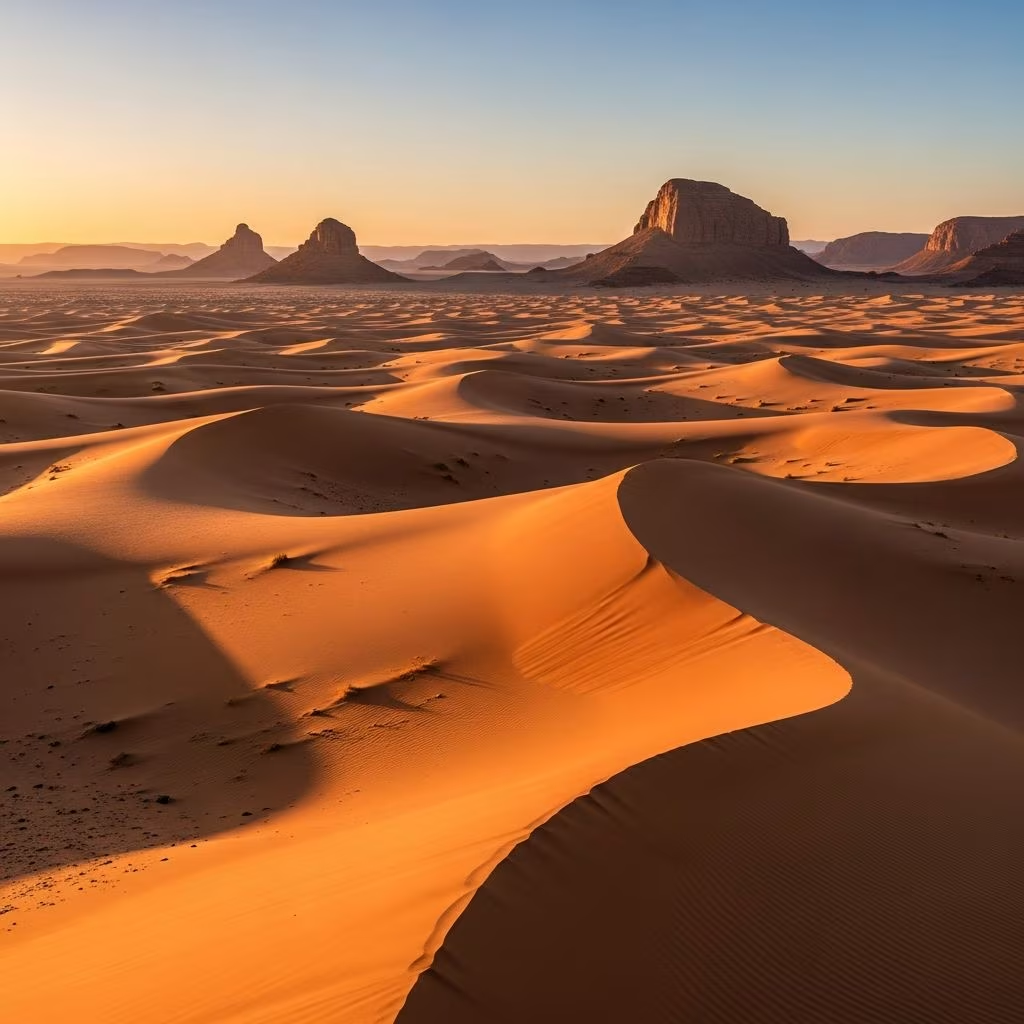
Algeria’s Sahara Desert, spanning over 90% of the country’s landmass, offers some of the planet’s most breathtaking and untouched landscapes. This immense region features towering sand dunes, dramatic plateaus, ancient rock engravings, and secluded oases that have captivated explorers for centuries. Whether you’re drawn to prehistoric art sites, volcanic peaks, or starlit camping under endless skies, the Algerian Sahara delivers profound immersion in nature’s raw power.
The allure of this desert lies in its sheer scale and diversity. Unlike more commercialized desert destinations, Algeria’s Sahara remains remarkably pristine, with vast areas protected as national parks like Tassili N’Ajjer and Ahaggar. Here, visitors encounter prehistoric cave paintings depicting long-extinct wildlife, surreal rock formations shaped by millennia of wind, and nomadic cultures that have adapted to extreme conditions. The region’s isolation enhances its magic—travelers often describe a sense of timeless wonder, sleeping in campsites surrounded by silence broken only by the wind.
Algeria’s portion of the Sahara stands out for its accessibility via domestic flights and organized expeditions, making it feasible for first-time desert explorers. Spring (April-May) and autumn (October-November) provide mild temperatures, ideal for hiking and photography, avoiding the scorching summer highs and chilly winters.
Adventures typically launch from three key hubs: Djanet in the east, Tamanrasset in the south-central region, and Ghardaïa in the north. Each serves as a launchpad for distinct experiences, blending urban oases with deep-desert treks.
Nestled at the edge of the UNESCO-listed Tassili N’Ajjer National Park, Djanet buzzes with tour operators ready to guide you into a world of red dunes and ancient artistry. Plan for at least a week here to explore the park’s northern sectors, the remote Tadrart plateau, or the Sefar Plateau. Multi-day 4WD expeditions reveal natural arches, ridge lines resembling ancient fortresses, and campsites beneath star-filled skies. Rock shelters house 10,000-year-old paintings of giraffes, elephants, and swimmers from when the Sahara was a lush savanna.
A typical itinerary might include a five-day trek through Tadrart, involving camel rides, campfire meals, and hikes to petroglyph sites. The isolation amplifies every discovery, from perspective-bending rock shapes to vibrant sand seas.
Tamanrasset anchors explorations of Ahaggar National Park, home to the Atakor plateau’s eroded volcanoes and jagged peaks. Allocate three to four days for this area, focusing on Assekrem—a high-altitude site reached after a full day’s drive. Overnight in a refuge, then hike to the hermitage of Charles de Foucauld, a historic Trappist outpost with panoramic sunsets over sun-baked mountains. The altitude brings cooler air, perfect for strenuous hikes amid otherworldly outcrops.
Nearby Ilmane adds dramatic rock formations, while the broader region suits those seeking a ‘stone desert’ adventure with prehistoric vibes.
Further north, Ghardaïa in the M’Zab Valley introduces mud-brick architecture and vibrant markets. Spend four to five days wandering ksours (fortified villages), shopping for pottery and textiles that support local artisans. Extend to two weeks by venturing to El Oued’s ‘City of a Thousand Domes,’ famous for its souk-spanning dubarra soup stalls, or Timimoun’s rust-red palmerie.
El Oued offers overnight dune camps in the Grand Erg Oriental, Africa’s largest sand sea, with options for sandboarding or quad biking. Timimoun evokes fairy-tale oases, while Taghit and Beni Abbès provide camel treks and historical immersion.
Tailor your trip’s length to your ambitions. A week in Djanet suffices for Tassili highlights; combine it with Tamanrasset for a 10-day epic covering dunes, mountains, and art. Northern routes from Ghardaïa fit shorter escapes, expandable to include Roman ruins or ravine towns like Constantine.
| Duration | Focus Areas | Highlights |
|---|---|---|
| 5-7 days | Djanet/Tassili | Rock art, Tadrart dunes, starlit camps |
| 3-4 days | Tamanrasset/Ahaggar | Assekrem hermitage, Atakor plateau hikes |
| 4-5 days | Ghardaïa/M’Zab | Oasis markets, ksours, El Oued dunes |
| 10-14 days | Full circuit | All regions + Algiers start/end |
Flights from Algiers to Djanet, Tamanrasset, or Ghardaïa are the standard entry. Upon landing, accredited guides from your tour operator meet you with 4WD vehicles—essential for navigating trackless expanses. Algerian regulations mandate guided travel in southern deserts for safety, as solo driving is prohibited and GPS unreliable.
Daily routines involve scenic drives, stops for lunches amid views, hikes to sites, and evenings around campfires savoring tagines and couscous.
Prepare for variable conditions: layers for cool nights, sun protection, sturdy boots for hikes, and a camera for endless photo ops. Hydration is key—guides manage water, but personal bottles help. Respect Tuareg customs, learn basic French or Arabic phrases, and embrace slow travel.
Yes, with guided tours—authorities ensure secure routes, and operators prioritize safety amid vast, trackless terrain.
April-May or October-November for comfortable 20-30°C days, avoiding summer heat over 40°C.
Mandatory in deep Sahara; they provide navigation, logistics, and cultural insights.
Moderate: 4WD drives with short hikes; opt for easier routes if needed.
Yes, many operators offer family-friendly paces with shorter days.
Travel responsibly: stick to paths, avoid touching art, support local economies. This fragile UNESCO treasure thrives on sustainable visits, ensuring future generations witness its wonders.
