

 Travel Essentials
 Travel Essentials

A comprehensive guide to planning your Algonquin Provincial Park trip, covering activities, camping, trails, and seasonal considerations for all experience levels.
 Travel Essentials
Algonquin Provincial Park stands as one of Canada’s most iconic wilderness destinations, attracting outdoor enthusiasts from around the world seeking authentic Canadian natural experiences. Located in Ontario, this expansive park encompasses diverse ecosystems, pristine waterways, and countless recreational opportunities suitable for visitors of every skill level. Whether you’re envisioning a leisurely day trip, an overnight camping excursion, or an extended backcountry expedition, understanding the park’s layout, amenities, and seasonal conditions will help you maximize your visit and create lasting memories in this remarkable landscape.
Access to Algonquin Provincial Park varies depending on your destination and preferred activities. The primary gateway is Highway 60, which traverses the park’s southern corridor for approximately 56 kilometres, connecting the communities of Huntsville and Whitney. This scenic route passes through the most developed section of the park, offering convenient access to the Visitor Centre, Logging Museum, and numerous frontcountry facilities.
For visitors planning to venture into the park’s interior wilderness regions, the park maintains 29 distinct access points designed to accommodate different modes of entry. These access zones serve both water-based approaches via canoe and land-based entry for hiking and backpacking expeditions. The eastern section of the park, accessible via Highway 17, provides additional entry points for those exploring areas like Barron Canyon and Brent Crater. Each access point has specific amenities and parking facilities, so researching your intended destination beforehand ensures a smooth start to your adventure.
Algonquin offers diverse lodging choices catering to different comfort preferences and experience levels. The park features eight developed campgrounds positioned along the Highway 60 corridor, making them ideal for visitors who want to experience outdoor camping while maintaining reasonable access to facilities. These frontcountry sites typically offer amenities such as fire pits, picnic tables, and access to water and restroom facilities.
For those seeking deeper wilderness immersion, backcountry camping represents the quintessential Algonquin experience. With thousands of remote campsites scattered throughout the park’s interior, backpackers and canoeists can establish camps along trails and waterways, creating a genuine wilderness experience. Important to note: backcountry camping operates under specific regulations, including restrictions on aluminum cans and bottles to minimize environmental impact.
The park also features private resort accommodations for visitors preferring established lodges and enhanced comfort. These range from rustic cabins to more upscale facilities, offering alternatives for those wanting structured accommodation without sacrificing the outdoor experience.
Algonquin boasts over 20 designated day-hiking trails catering to various fitness levels and interests. The park’s trail network emphasizes education and wildlife observation alongside physical recreation, with many routes featuring interpretive signage explaining local ecology and natural history.
Mizzy Lake Trail offers an 11-kilometre full-day journey through wetland environments, providing exceptional wildlife viewing opportunities. This route is particularly rewarding for bird enthusiasts and nature photographers. However, domestic pets are prohibited on this trail to protect sensitive wildlife habitats.
Centennial Ridges Loop presents a more challenging 10.4-kilometre circuit featuring dramatic elevation changes and sweeping vistas across Whitefish Lake and Lake of Two Rivers from elevated ridge positions. This moderate-to-strenuous route rewards hikers with panoramic perspectives unavailable from lower elevations.
Barron Canyon Trail delivers one of the park’s most spectacular natural features—a 1.5-kilometre walk to overlooks of a magnificent 100-metre-deep canyon carved by the Petawawa River. Visitors should exercise caution as safety railings are absent from cliff edges. Adventure seekers can extend this experience by paddling through the canyon itself via canoe trips, either as day excursions or multi-day expeditions.
Spruce Bog Boardwalk provides an accessible 1.5-kilometre barrier-free experience, particularly popular for winter snowshoeing and bird observation. This trail’s wheelchair accessibility makes it valuable for visitors with mobility considerations.
Algonquin Logging Museum Trail combines historical education with outdoor recreation, featuring a 1.3-kilometre interpretive walk through a recreated logging camp complete with restored historical equipment including a steam-powered amphibious vehicle.
Canoeing represents the quintessential Algonquin experience, enabling access to remote areas inaccessible by foot. The park features numerous canoe routes ranging from leisurely day paddles to challenging multi-day expeditions traversing interconnected lake systems.
Paddlers can access the Barron Canyon via multiple route options. A straightforward day trip launches from Squirrel Rapids, paddling upstream through the canyon and returning to the starting point. Alternatively, experienced canoeists can arrange vehicle shuttles to complete one-way journeys from Brigham Lake to Squirrel Rapids. For extended adventures, the Achray access point provides entry for multi-day canyon expeditions.
Canoe route difficulty varies considerably, accommodating beginners seeking peaceful paddles across calm lakes to experienced paddlers navigating technical rapids and portaging between water bodies. The park’s rental services and outfitter partnerships facilitate equipment access for visitors lacking their own canoes.
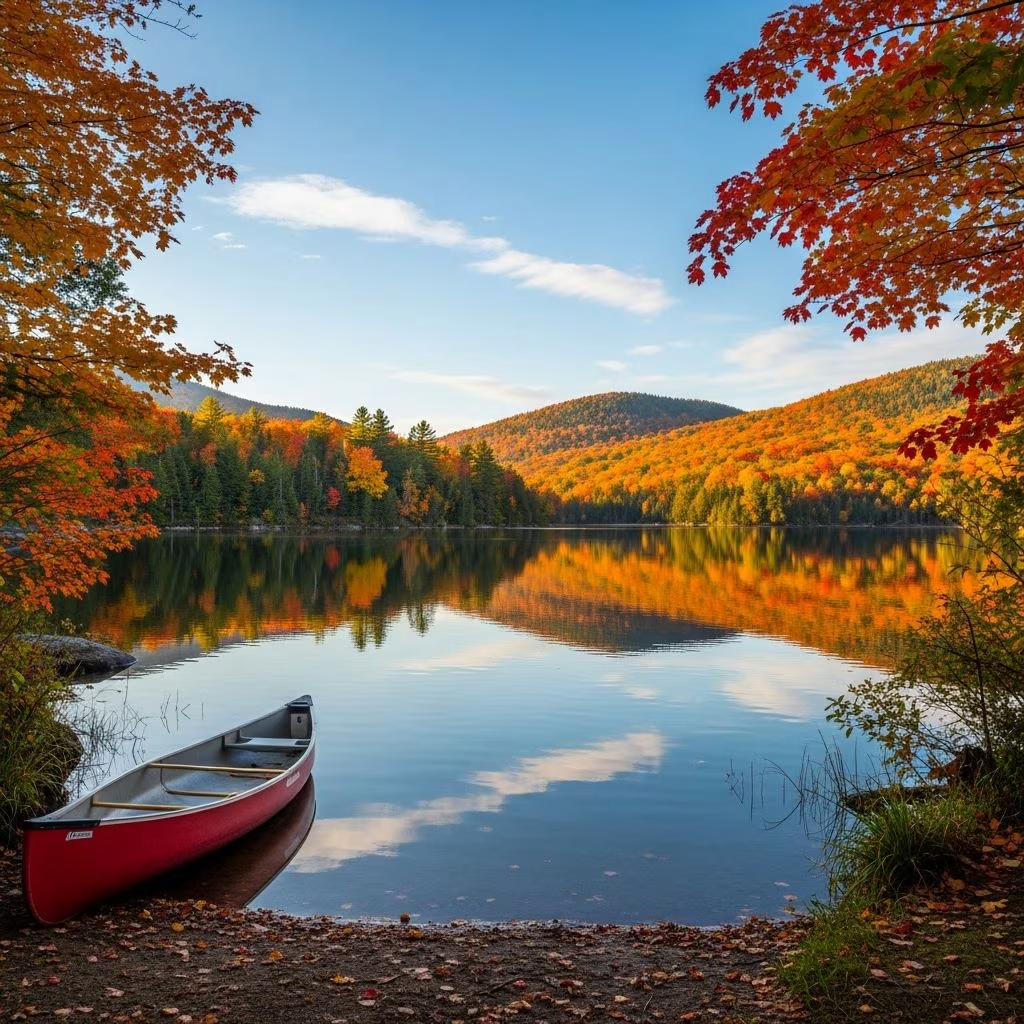
Fall represents Algonquin’s most celebrated season, when hardwood forests transform into brilliant displays of crimson, gold, and amber foliage. The Booth’s Rock Trail, a 5.1-kilometre moderate route, has earned recognition as among Ontario’s finest fall colour viewing locations. This seasonal phenomenon typically peaks between late September and early October, attracting photographers and nature enthusiasts worldwide. The cooler temperatures and lower humidity create ideal hiking conditions compared to summer months.
Summer brings longer daylight hours and generally stable weather, making it prime season for backcountry expeditions and extended canoe trips. Water temperatures moderate sufficiently for comfortable swimming, while insect populations remain manageable with appropriate precautions. The park operates its full complement of facilities and educational programs during these months, and day-use areas experience peak visitation.
Winter transforms Algonquin into a serene snow-covered landscape, offering cross-country skiing, snowshoeing, and ice fishing for cold-weather enthusiasts. Many trails convert to winter use, with the Spruce Bog Boardwalk becoming particularly popular for snowshoe exploration and winter bird observation. The reduced crowds during winter months appeal to visitors seeking solitude and contemplative nature experiences.
Spring brings park reawakening with wildflower meadows and increased wildlife activity. Warmer temperatures encourage outdoor recreation while avoiding summer heat and humidity. Spring represents an underutilized season offering excellent opportunities for less-crowded adventures.
Beyond hiking and canoeing, Algonquin accommodates mountain biking along designated trails, including the Old Railway Bike Trail—a 16.2-kilometre route following the historic Ottawa, Arnprior and Parry Sound Railway bed. This decommissioned rail route features relatively flat terrain and multiple access points at Mew Lake and Pog Lake, making it suitable for riders of varying abilities.
The park’s diverse recreational offerings expand to fishing, birdwatching, and photography pursuits. Superior trout fishing opportunities draw anglers seeking world-class freshwater angling experiences.
The Algonquin Visitor Centre, positioned at kilometre 43 along Highway 60, serves as the park’s primary information hub and museum facility. Beyond standard directional assistance, the centre features comprehensive exhibits exploring the park’s geological formation, wildlife ecology, and Indigenous cultural history. Interactive displays and educational programming enhance visitor understanding of the park’s natural systems and conservation importance.
The adjacent Logging Museum provides historical context regarding the region’s industrial past, with recreated structures and vintage equipment illustrating early settlement and resource extraction activities. The Art Centre celebrates the Group of Seven painters who drew inspiration from Algonquin’s landscapes, including the legendary artist Tom Thomson.
Day-use visitors passing through Highway 60 without stopping require no permits. However, any activity involving parking, facility use, or backcountry access necessitates appropriate permits. The park operates a modern online registration system; pre-registration eliminates the need for physical check-in processes, streamlining the arrival experience.
Numerous outfitter services operate within and around the park, providing canoe rentals, equipment shuttles, guided trips, and logistical support. Algonquin Bound Outfitters, among others, offers vehicle shuttle services facilitating one-way canoe expeditions by transporting vehicles between access points.
The park welcomes visitors year-round, each season offering distinct advantages. Fall commands highest popularity due to foliage displays, while summer facilitates extended backcountry trips. Winter attracts cross-country skiing enthusiasts, and spring provides quieter exploration opportunities. The best timing depends on your preferred activities and tolerance for crowds.
Day trips suffice for Highway 60 corridor exploration and selected day hikes. Overnight camping experiences typically require 2-3 days. Meaningful backcountry adventures benefit from 4-7 day commitments, allowing time for travel, paddling, and camp-based exploration without excessive rushing.
Dogs are restricted from certain trails like Mizzy Lake due to wildlife protection concerns. Confirm pet policies for your planned activities with park authorities before arrival.
The park offers canoe routes accommodating beginners through advanced paddlers. Day trips on calm, flat-water lakes require minimal experience, while technical routes involving rapids and extended portaging demand greater paddling proficiency.
Peak season (particularly fall) accommodations fill months in advance. Early booking—ideally three to six months prior—ensures preferred campground sites and lodging selections. Summer and winter periods require less advance planning but still benefit from early reservations.
