

 Travel Essentials
 Travel Essentials

Explore the Alta Via 1 trail: 7-10 days of stunning peaks, lakes, and rifugios from Lago di Braies to Belluno. Essential guide for planning your Dolomites adventure.
 Travel Essentials
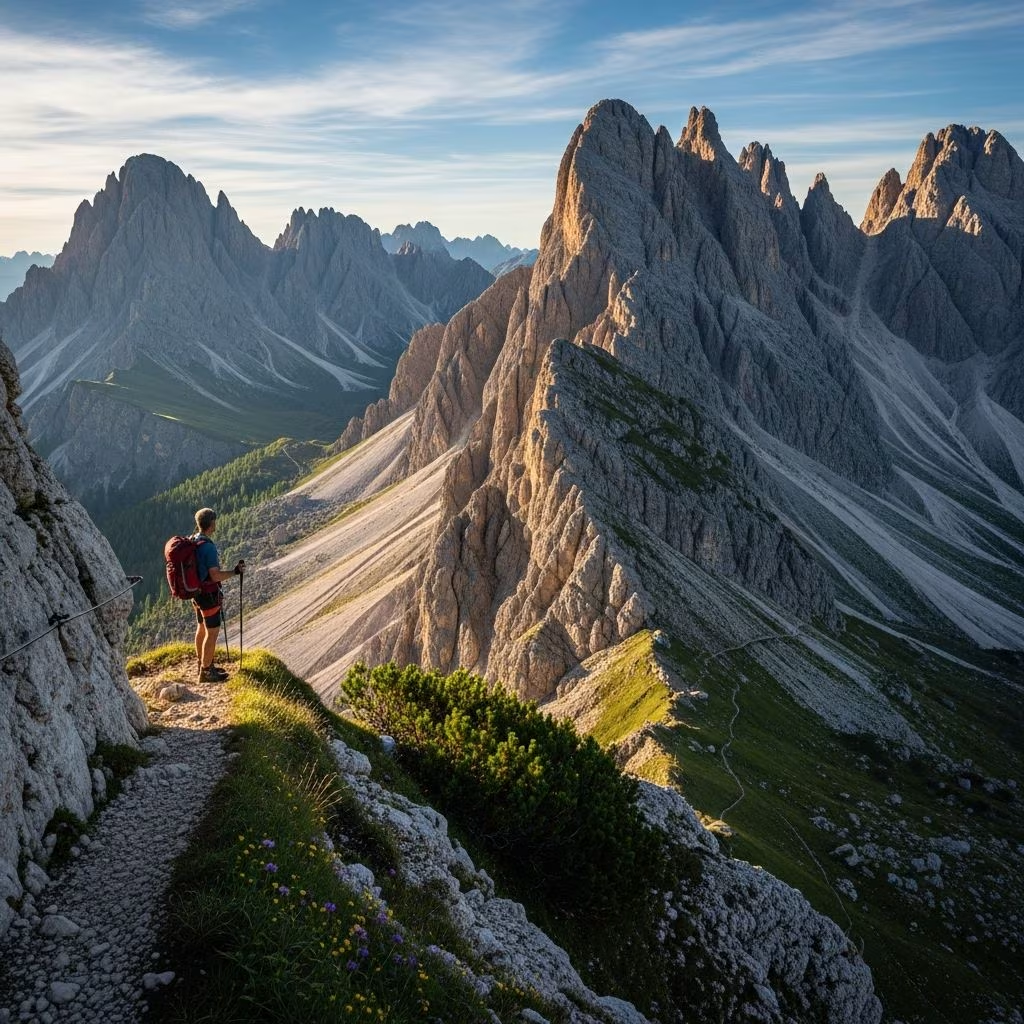
The Alta Via 1 stands as the crown jewel among the Dolomites’ high routes, offering hikers an unforgettable immersion into one of Europe’s most dramatic landscapes. Spanning approximately 120 kilometers through northeastern Italy’s UNESCO World Heritage Site, this trail weaves past jagged limestone spires, crystal-clear lakes, and verdant meadows, with elevation gains totaling around 7,400 meters. Ideal for experienced trekkers comfortable with multi-day efforts, it typically unfolds over 7 to 10 days, staying in cozy mountain rifugios.
This trail captivates with its accessibility relative to other Alta Vias—no via ferrata gear required—while delivering postcard-perfect views that shift from dawn’s soft glow to the famous enrosadira, where peaks blush pink at sunset. Unlike steeper siblings like Alta Via 2, AV1 balances challenge and reward, traversing diverse terrain from forested valleys to exposed ridges. It’s the original long-distance path in the Dolomites, drawing thousands annually for its hut-to-hut rhythm and proximity to icons like Marmolada glacier.
Alta Via 1 runs north to south, starting at the emerald Lago di Braies (Pragser Wildsee) in Alto Adige and concluding near La Pissa bus stop by Belluno in Veneto. The classic itinerary covers 120km with 7,400m ascent, peaking at 2,752m atop Rifugio Lagazuoi. Daily distances range 10-15km, with 500-1,000m gains, demanding 6-8 hours of effort per stage.
| Metric | Value |
|---|---|
| Total Distance | 120km (75 miles) |
| Duration | 7-10 days |
| Elevation Gain | 7,400m (24,278ft) |
| Highest Point | 2,752m (9,029ft) |
| Difficulty | Moderate-Advanced |
| Best Season | June-September |
Note: Southbound hikes face more ascent; northbound eases descents. Shorter variants skip sections for 4-6 days.
Flexibility defines AV1, with hut bookings shaping your pace. Here’s a standard 8-stage plan, adjustable for fitness or weather.
Extend for rest days at highlights like Nuvolau or shorten from midpoints like Pederu.
AV1 suits fit hikers with strong endurance—no technical climbs, but expect rocky paths, ladders, and exposure. Train with 6-8 hour loaded hikes (10-15kg pack). Acclimatize to 2,500m+ altitudes; prior alpine experience helps.
Light packs rule: rifugios supply food/beds. Focus on weatherproof gear.
| Category | Must-Haves |
|---|---|
| Clothing | Waterproof jacket, fleece, hiking pants, hat/gloves, 2-3 merino layers |
| Footwear | Broken-in boots with grip; gaiters for scree |
| Sleep/Comfort | Liner sheet, earplugs, headlamp, Trekking poles |
| Tech/Health | Power bank, first aid, water filter, sunscreen, blister kit |
| Documents | Hut vouchers, ID, cash (some rifugios cardless) |
Dolomites’ rifugios are lifelines—book 3-6 months ahead via Club Alpino Italiano sites or apps like Bookatrekking. Expect dorms (4-20 beds), hearty meals (half-board €50-70/night). No wild camping; huts enforce rules.
Fly to Venice/Treviso (2-3hrs drive) or Innsbruck (2hrs). Train to Dobbiaco, bus to Lago di Braies. Finish at La Pissa: bus to Belluno, train south. Car optional but parking tricky; shuttles common. Public transport excels.
June-September: snow-free passes by mid-June, prime wildflowers July-August, quieter September. Avoid肩season storms; check MeteoTrentino forecasts. 2026 tip: Book early post-winter.
Expect crowds mid-season, scree slips, altitude fatigue. Carry EU emergency number (112), know retreat paths. Water scarce some stages—refill at huts. Respect LNT: pack out waste.
Short AV1 (4-6 days) from Lagazuoi; link to AV2 for Marmolada. Families: easier sections. Via ferrata fans: detours to Nuvolau.
Q: Is Alta Via 1 suitable for beginners?
A: No—requires endurance for long days and altitude. Intermediate hikers ideal.
Q: Do I need via ferrata kit?
A: Not for classic route; optional for variants.
Q: Can I hike solo?
A: Yes, trails busy; share hut bookings.
Q: Costs?
A: €400-700 (huts/food), plus travel. Budget €60/day.
Q: Dogs allowed?
A: Rarely in huts; check policies.
Q: Reverse direction?
A: Possible, but southbound preferred for ascents.
Tread lightly: stick to paths, support local rifugios, avoid single-use plastics. Dolomites face overtourism—visit shoulder seasons.
