 Stays
StaysStays
Alternative Accommodations Market Trends and Growth Outlook 2026
Explore the booming alternative accommodation market, driven by tourism growth, tech innovations, and shifting traveler preferences for personalized, non-hotel experiences.
 Stays
StaysThe global travel landscape is undergoing a profound transformation as travelers increasingly seek out non-traditional lodging options. Alternative accommodations—ranging from private homes and apartments to glamping sites and wellness retreats—are not just supplements to hotels but are becoming the preferred choice for many. This shift is fueled by a desire for authenticity, flexibility, and unique experiences that standard hotels often cannot provide. With the market projected to skyrocket from USD 233.50 billion in 2025 to over USD 1,043.15 billion by 2035 at a compound annual growth rate (CAGR) of 16.15%, these options are redefining how we experience destinations worldwide.
Market Momentum and Economic Drivers
The surge in alternative accommodations mirrors the broader evolution of the tourism industry. International travel has rebounded strongly post-pandemic, with leisure trips, business travel, and hybrid work-from-anywhere lifestyles propelling demand. Consumers are spending more on experiential vacations, bolstered by rising disposable incomes in key regions and the ease of digital booking platforms. North America currently dominates with a 37% market share in 2025, thanks to its mature platforms and high tourism volumes, while Asia Pacific is poised for the fastest expansion at a 17.62% CAGR, driven by staycations and intra-regional travel.
Key economic factors include the post-COVID preference for flexible, long-term rentals that accommodate remote work. Online booking convenience has democratized access, allowing travelers to compare options instantly via apps and AI-driven recommendations. Major players like Blackstone Group and IHCL are investing heavily, signaling confidence in sustained growth.
| Region | 2025 Market Share | Projected CAGR (2026-2035) |
|---|---|---|
| North America | 37% | 16.15% |
| Asia Pacific | Growing | 17.62% |
| Europe | Emerging | Variable due to regulations |
This table highlights regional disparities, where regulatory environments in Europe are curbing short-term rental supply growth, leading to a stabilization that could elevate prices for quality options.
Diverse Types of Alternative Lodgings
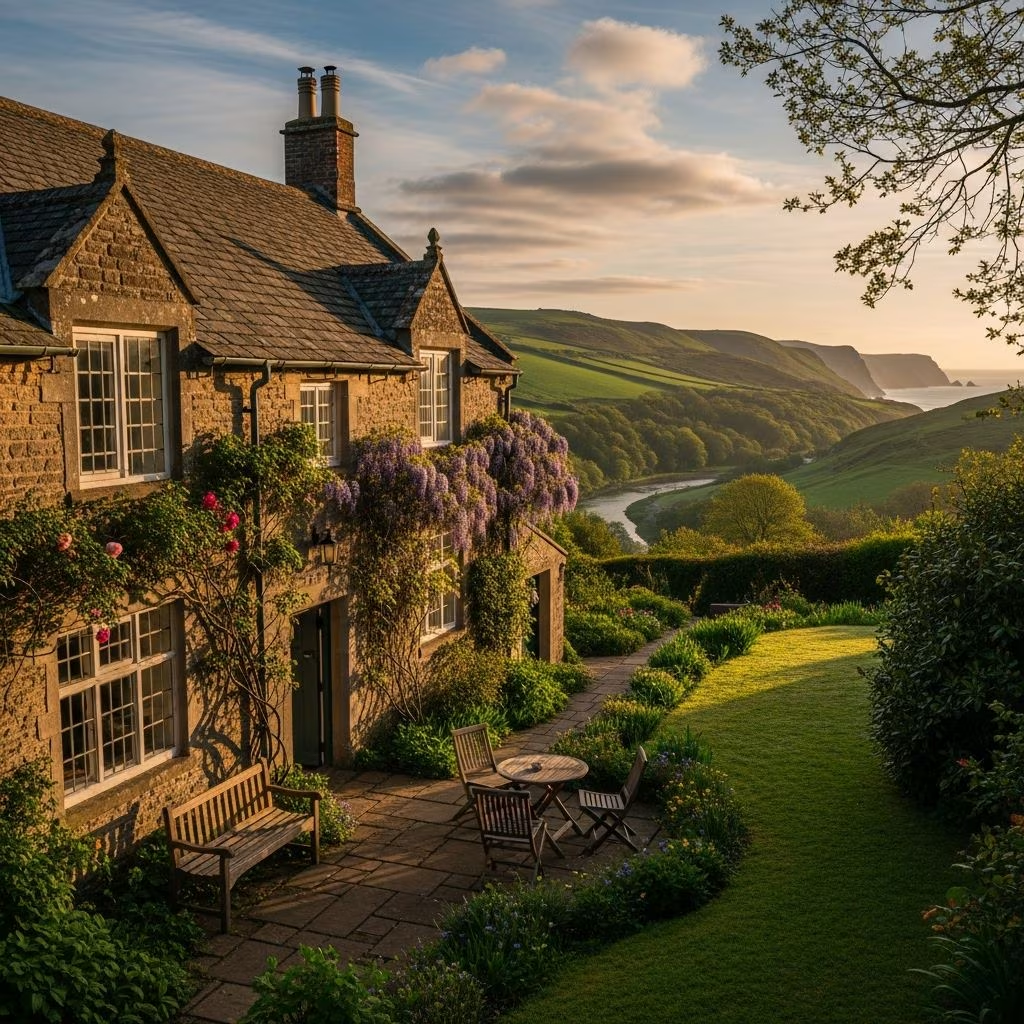
Alternative stays encompass a wide array, each catering to specific traveler needs. Homes lead with over 31% market share in 2025, offering spacious, home-like environments ideal for families or digital nomads. Apartments and condominiums are the fastest-growing segment at 17.72% CAGR, appealing to urban explorers seeking city-center convenience without hotel formality.
- Homes and Villas: Full kitchens, multiple bedrooms, and private yards provide a ‘live like a local’ vibe.
- Apartments/Condos: Compact yet equipped for short urban escapes, surging in popularity.
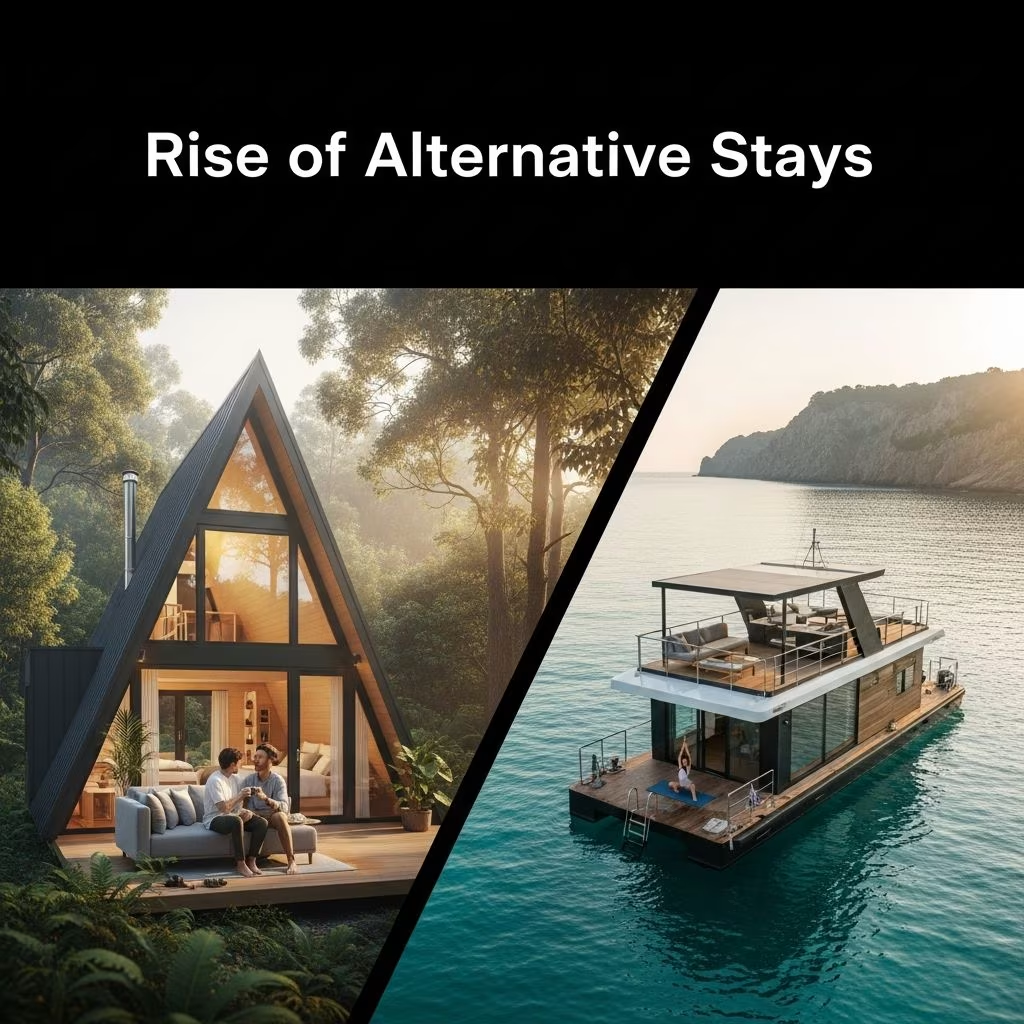
- Glamping and Tiny Homes: Luxurious camping blends nature with comfort, trending for eco-conscious adventurers.
- Unique Retreats: Treehouses, yurts, and houseboats for Instagram-worthy immersion.
These options prioritize personalization, with platforms enabling hosts to offer tailored amenities like private chefs or wellness setups.
Shifting Traveler Preferences in 2026
Modern voyagers crave more than a bed; they want the stay itself to be the highlight. High-quality alternative accommodations are treated as destinations, with features like stunning views, artisanal design, and integrated experiences commanding premium prices even amid economic pressures. Trends like ‘hushpitality’ and ‘calm-cations’ emphasize serene, restorative escapes over crowded hotspots. Travelers are flocking to off-season periods and lesser-known locales to dodge peak pricing and overtourism, a pattern reinforced by rising flight and hotel costs in Europe.
Solo travel is booming, with searches for independent-friendly stays up significantly. Gen Z leads with quick 1-2 day international jaunts to vibrant cities, while nature lovers boost demand for national park-adjacent rentals—up 35% in the U.S. ‘Destination dupes’ see travelers swapping Paris for Porto or Bali for Boracay, prioritizing affordability without sacrificing culture.
Technology’s Role in Revolutionizing Bookings
AI and social media are accelerators. Platforms like Instagram’s Trip Matching and TikTok’s in-app bookings via Booking.com turn scrolls into reservations. Airbnb’s pivot to include hotels and B&Bs broadens its appeal, while predictive algorithms suggest stays based on past behavior. Offline bookings still grow, but digital dominates, with 2026 seeing deeper integration of VR tours and personalized itineraries.
Overland travel—road trips and train journeys—pairs perfectly with flexible alternative stays, enabling spontaneous extensions in scenic spots.
Challenges: Regulations and Sustainability
Growth isn’t unchecked. Cities worldwide are tightening short-term rental rules to preserve housing stock, slowing supply in hotspots like Barcelona and New York. Year-over-year listing growth has eased globally through 2025, with further deceleration expected. Sustainability concerns rise too; eco-friendly options like solar-powered glamping gain traction as travelers demand low-impact stays.
Balancing profitability with community impact is key. Hosts must navigate local laws, while platforms invest in compliance tools.
Future Outlook: What Lies Ahead
By 2035, alternative accommodations will dominate, especially in high-growth areas like Asia Pacific. Expect more hybrid models blending hotels with rental vibes, AI-optimized pricing, and niche offerings like wellness pods or adventure bases. Chinese outbound travel rebounding to pre-pandemic levels will flood Asia with demand. Quality will trump quantity, with premium, experience-rich stays winning loyalty.
Investors eye this space for its resilience; even in downturns, travelers cut other costs before lodging.
Frequently Asked Questions (FAQs)
What is driving the alternative accommodation boom?
Rising tourism, remote work flexibility, and online booking ease are primary drivers, with a projected 16.15% CAGR through 2035.
Which region will grow fastest?
Asia Pacific at 17.62% CAGR, fueled by staycations and intra-Asia travel.
Are regulations hurting growth?
Yes, supply growth is slowing in regulated areas like Europe, potentially increasing prices for available listings.
How is tech changing bookings?
AI matching on social platforms and VR previews make discovery seamless.
What are popular 2026 trends?
Calm-cations, solo nature trips, off-season travel, and accommodation-as-destination.
References
References
- Alternative Accommodation Market Size, Share and Trends 2026 to 2035 — Precedence Research. 2025. https://www.precedenceresearch.com/alternative-accommodation-market
- The 11 travel and hospitality trends that will shape 2026 — MyLighthouse. 2025. https://www.mylighthouse.com/resources/blog/top-travel-and-hospitality-trends-2026
- The Future of Tourism: 2026 Travel Trends to Know — Hawthorn Creative. 2025. https://hawthorncreative.com/blog/the-future-of-tourism-2026-travel-trends-to-know/
- Hospitality Horizons 2026: The Top 5 Trends Shaping Travel & Hotels — Hospitality Net. 2025. https://www.hospitalitynet.org/opinion/4131102/hospitality-horizons-2026-the-top-5-trends-shaping-travel-hotels
- New Research: Global Hotel Alliance Unveils 2026 Travel Trends — Skift. 2025-12-08. https://skift.com/2025/12/08/gha-2026-travel-trends-survey/
← Previous
Semana Santa in Spain: History, Traditions, and Holy Week Processions
Next →
15 Hidden Gems in Eastern Europe for Crowd-Free Travel in 2026
Related Reading