

 Travel Essentials
 Travel Essentials

Comprehensive guide to visiting AlUla, Saudi Arabia, covering attractions, accommodations, dining, and practical travel information for planning your desert adventure.
 Travel Essentials
Nestled in the northwestern region of Saudi Arabia, AlUla represents one of the most compelling destinations for travelers seeking to combine archaeological significance with natural beauty. This ancient valley, once a crucial trading hub along historic caravan routes, has emerged as a premier tourist destination that seamlessly blends past and present. Whether you’re drawn by the promise of exploring UNESCO-listed archaeological sites or simply seeking to experience dramatic desert landscapes, AlUla offers experiences that transcend typical travel itineraries.
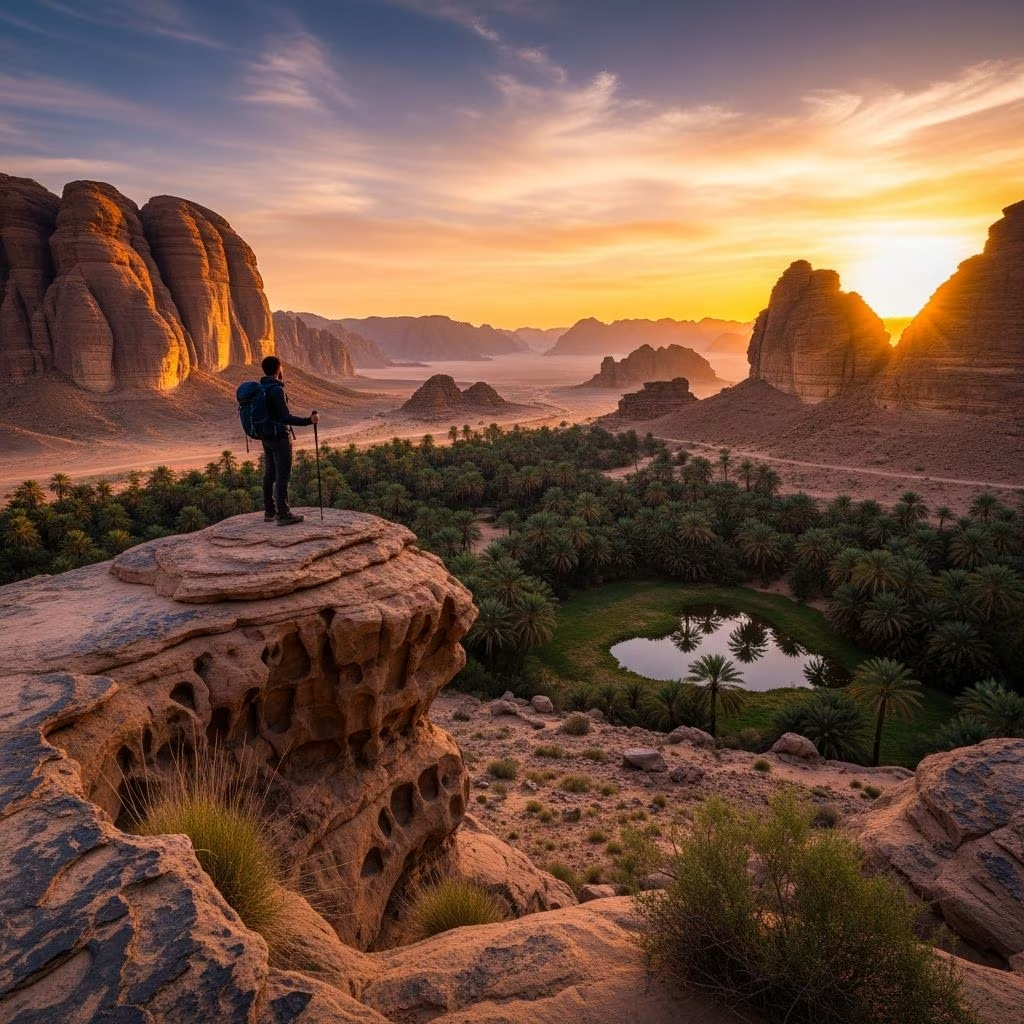
AlUla spans an impressive valley stretching approximately 30 kilometers, characterized by towering sandstone formations, lush date palm groves sustained by underground aquifers, and archaeological treasures spanning millennia. The region has long been recognized as a crossroads of civilizations, with evidence of human habitation dating back thousands of years. The valley’s unique geography—combining dramatic rock formations with surprisingly verdant oasis areas—creates a landscape that feels simultaneously harsh and welcoming.
The development of AlUla as a modern tourist destination represents a carefully considered approach to heritage preservation and sustainable tourism. Rather than overwhelming the region with conventional resort development, the area has introduced thoughtfully designed accommodations and visitor infrastructure that respect the natural and historical environment.
The optimal time to visit AlUla coincides with the region’s cooler months, typically from October through April, when daytime temperatures remain comfortable for outdoor exploration. The summer months, running from May through September, present extreme heat conditions that can challenge even experienced desert travelers. During the peak season, rainfall remains minimal, ensuring clear skies ideal for photography and sightseeing.
Reaching AlUla requires flying into the region’s dedicated airport, which accommodates both international and domestic flights. From the airport, the journey to AlUla’s main town spans approximately 30 minutes by vehicle, while access to major tourist attractions extends an additional 20 minutes of travel time. For visitors accustomed to urban transportation systems, it’s important to understand that AlUla’s vast landscape necessitates vehicle-based exploration rather than walking-based sightseeing typical of many heritage destinations.
Navigating AlUla requires careful consideration of transportation options, as the region’s expansive geography and spread-out attractions make spontaneous exploration challenging without adequate planning.
Public transportation infrastructure remains underdeveloped, making independent travel via bus or shared taxi less practical for accessing major tourist attractions. Most visitor centers and tourism authorities recommend arranging transportation in advance rather than attempting last-minute arrangements upon arrival.
No visit to AlUla reaches completion without experiencing Hegra, a UNESCO World Heritage Site representing one of the Arabian Peninsula’s most significant archaeological discoveries. This ancient Nabataean city showcases monumental tombs carved directly from massive sandstone outcrops, representing architectural achievements that rival more famous sites across the Middle East.
Unlike similar heritage sites that permit visitor self-exploration, Hegra requires pre-arranged guided tours managed through official channels. The size and spread of the site across the desert landscape make unguided exploration impractical, and the structured tour system ensures visitor safety while protecting archaeological resources from uncontrolled access.
Hegra Tour Details and Options:
The guided tour encompasses four significant stops, beginning with the monumental Tomb of Lihyan, Son of Kuza, a 23-meter-tall structure carved into an isolated rock formation that emphasizes the tomb’s architectural grandeur through its positioning within the landscape. Additional stops include the Diwan at Jabal Ithlib, featuring wide rock benches where ancient leaders gathered, and Jabal Al Banat, a fascinating cluster of 29 tombs created for or commissioned by women—a unique archaeological feature that provides insights into Nabataean society and gender roles.
Booking tickets in advance proves essential, particularly during peak tourist seasons when available spots fill rapidly. The official AlUla tourism platform manages reservations, allowing visitors to select preferred tour types and time slots weeks ahead of their visit.
Among AlUla’s most photographed natural features stands Elephant Rock, a 52-meter sandstone formation resembling its namesake creature with remarkable clarity. This geological wonder achieves peak visual impact during sunset hours when declining sunlight paints the rock surface in luminous reds and oranges, creating dramatic color transformations as light conditions shift moment to moment.
The site welcomes visitors with no entrance fees or advance reservations required, making it an accessible destination for independent travelers. Thoughtfully designed visitor infrastructure includes walking paths beneath the natural formation, sunken seating areas with cushions for comfortable viewing, and commercial stalls offering refreshments and traditional shisha water pipes. A food vendor representing a popular Dubai-based burger establishment operates at the site, providing unexpected culinary options in the desert setting.
Accessing Elephant Rock requires arranging transportation from AlUla’s town center, though the distance permits feasible trips via hired vehicles, tour operators, or ride-sharing services. Planning your visit during late afternoon hours ensures optimal photography and viewing conditions as sunset approaches.
Beyond AlUla’s famous monuments, the region’s natural landscape features striking slot canyons distinguished by flaming scarlet coloration created by iron oxide oxidation processes. These geological formations offer adventurous visitors opportunities for hiking and exploring landscapes shaped by millions of years of desert weathering and erosion.
Representing a striking juxtaposition of contemporary design and desert environment, Maraya stands as the world’s largest mirrored building, seamlessly blending into the surrounding Ashar Valley landscape through its reflective surfaces. Rather than imposing itself upon the natural environment, the structure’s design philosophy emphasizes visual harmony, with mirror panels reflecting surrounding rock formations and sky conditions. This innovative architectural approach has garnered international recognition, functioning as both a cultural venue and a remarkable example of sustainable, landscape-sensitive design principles in action.
AlUla’s Old Town preserves a living museum of historic architecture and traditional settlement patterns, with mud-brick structures representing continuous habitation spanning back to the 12th century. Rather than presenting history behind cordoned barriers, the Old Town invites visitors to wander narrow winding alleyways where daily life continues, with restored buildings now functioning as cafes, galleries, and artisan shops.
The experience of exploring the Old Town reaches particular intensity during evening hours when atmospheric lighting transforms the historic district into an evocative environment. One accommodation option, Dar Tantora, represents an innovative approach to heritage tourism by preserving 30 guest rooms within restored Old Town buildings. This establishment uniquely employs candlelight for evening illumination, with approximately 1,800 candles lit throughout the property each night, and incorporates human-powered exercise equipment in its fitness facilities rather than electrical equipment, creating an immersive historical experience.
For visitors not staying overnight, the Joontos restaurant within Dar Tantora offers meals prepared with locally-sourced ingredients, including distinctive dishes like date-sprinkled lamb ribs. The Maqha Cafe provides rooftop desert-chic seating with mocktail and tea service overlooking the historic district.
Structured Old Town tours lasting approximately one hour include access to AlUla Fort, perched 45 meters above the historic district on a red sandstone promontory. This vantage point provides panoramic views encompassing both the Old Town and surrounding valley landscape, offering orientation for understanding the settlement’s relationship to its geographical context.
The geological foundation underlying AlUla’s historical significance and contemporary appeal stems from vast underground aquifers supporting millions of date palms and citrus trees organized in lush groves. These vegetation-rich areas provide welcome shade and cooling effects throughout the otherwise arid landscape, maintaining microclimates that have attracted human settlement for millennia.
Designated walking trails like the 2.75-kilometer Oasis Heritage Trail wind through palm groves, offering paths suitable for independent exploration or guided experiences with local guides who share stories about traditional practices and contemporary oasis management. Daimumah Oasis features raised boardwalks navigating past tree trunks and contemporary art installations, creating a fusion of natural and cultural experiences within the oasis environment.
AlUla’s accommodation landscape spans a diverse range of options, from ultra-luxury resorts to boutique properties emphasizing cultural immersion and sustainability. The Banyan Tree hotel represents premium resort hospitality in a desert context, providing comprehensive amenities supporting multi-day stays. Our Habitas operates as a distinctive eco-conscious property featuring architectural integration with desert landscapes and distinctive experiential programming.
Budget-conscious travelers find options in town-centered accommodations, while mid-range properties offer comfort balancing cost considerations with amenity expectations. The choice between resort-based stays and Old Town accommodations reflects personal preferences regarding immersion in historical settings versus convenience and contemporary amenities.
AlUla’s food scene blends traditional Saudi cuisine with contemporary culinary approaches, offering dining experiences ranging from casual to fine dining. The Old Town’s restored establishments emphasize locally-sourced ingredients, creating menus reflecting regional agricultural traditions and Nabataean historical trade in spices and preserved foods.
Visitors should anticipate that dining options concentrate in established tourism areas rather than dispersing throughout the region, making advance research and reservations advisable for specific establishments during peak seasons.
| Day | Primary Activities | Accommodation Focus |
|---|---|---|
| Day 1 | Arrive in AlUla, visit Elephant Rock for sunset, evening dining in Old Town | Old Town area |
| Day 2 | Old Town breakfast, check into resort accommodation, visit Maraya | Luxury resort |
| Day 3 | Resort day enjoying amenities and facilities, optional afternoon excursion | Resort based |
| Day 4 | Café visit, Hegra guided tour, dinner in Old Town | Old Town area |
| Day 5 | Morning departure to connecting destinations | N/A |
This framework provides a foundation for structuring visits, though individual interests and time availability permit significant customization.
No, Hegra requires mandatory guided tours booked through official channels. The site’s vast spread and archaeological significance necessitate structured access to protect resources and ensure visitor safety.
October through April provides optimal conditions with moderate temperatures suitable for outdoor exploration, while summer months present extreme heat challenging for most visitors.
While possible through tour arrangements and ride-sharing services, vehicle rental provides maximum flexibility for independent travelers exploring the expansive region.
Sunset at Elephant Rock provides iconic photo opportunities, while Hegra’s monumental tombs, slot canyons, and Maraya’s mirrored surfaces offer compelling subjects throughout the day.
While traditional Saudi cuisine predominates, major accommodations and established restaurants accommodate common dietary restrictions when notified in advance.
AlUla stands apart from conventional tourist destinations by offering visitors genuine engagement with archaeological significance, dramatic natural landscapes, and thoughtful cultural experiences. Whether your interests center on ancient history, desert photography, architectural innovation, or simply experiencing vastly different environments, AlUla provides a destination rich with possibilities. The combination of world-class heritage sites, innovative modern amenities, and preserved traditional culture creates a uniquely compelling travel experience that justifies the careful planning and logistics required to visit this remote desert region.
