

Food & Culture Stays Travel Essentials Travel Guides Trip Ideas
Categories
From the Blog
Remy’s Ratatouille Adventure at EPCOT: Ride Review, Tips & 2D Update
Travel Essentials

Amalfi Coast Overtourism: How Crowds Are Straining Paradise

The Amalfi Coast faces severe overtourism challenges, from traffic chaos and skyrocketing prices to strained local resources. Learn impacts on residents and responsible travel tips.
Travel Essentials

The Amalfi Coast, a UNESCO World Heritage site renowned for its dramatic cliffs, azure waters, and charming villages, is grappling with the consequences of unchecked tourism growth. Once a serene escape, it now symbolizes the global overtourism epidemic, where beauty attracts masses that threaten sustainability.

The Allure That Turned into Overload

This stretch of coastline in southern Italy draws millions annually for its postcard-perfect scenery. However, visitor numbers have surged dramatically. In 2023, the 13 towns recorded 564,981 arrivals, up 9% from 2019 and far exceeding the 400,000 of a decade ago. Social media amplifies the problem, with platforms like TikTok flooding feeds with idyllic images that lure unprepared crowds.

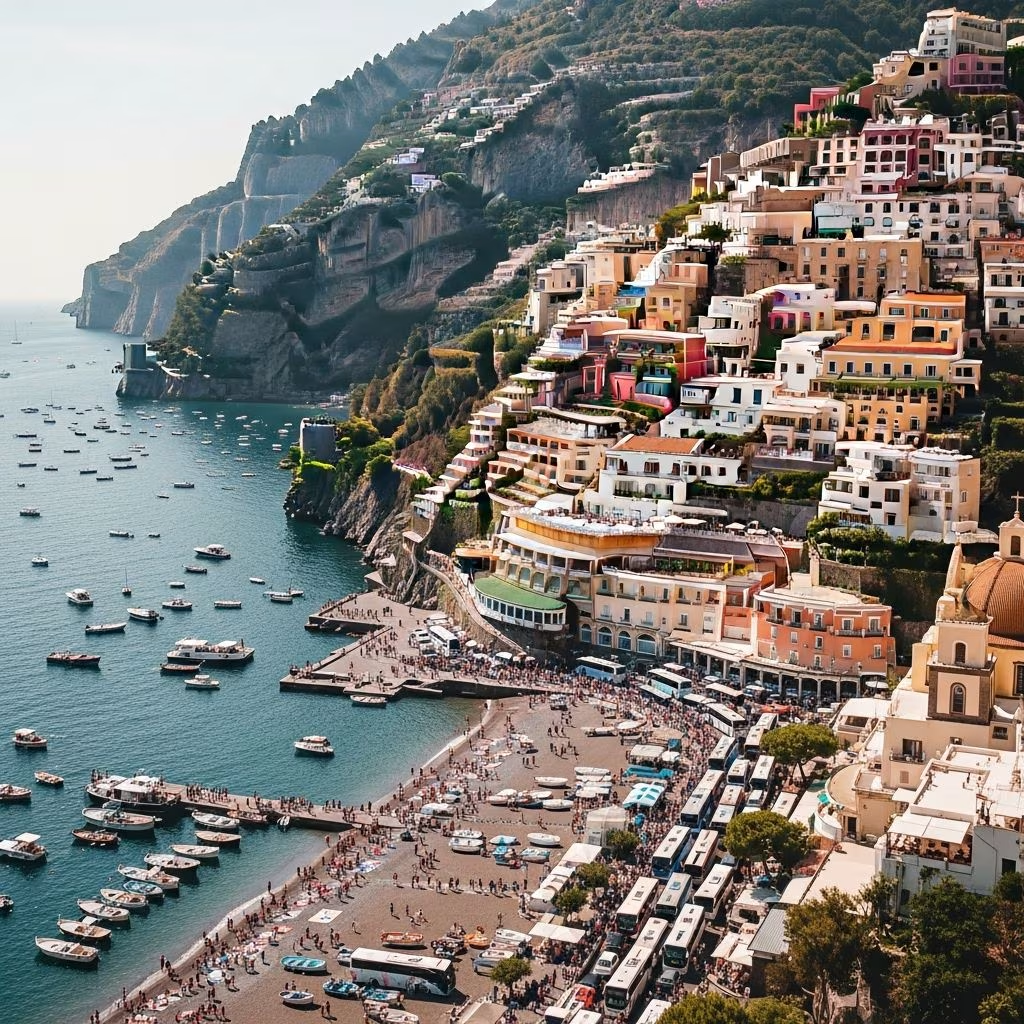
The influx creates a stark contrast between expectations and reality. Dreamy visions of empty beaches dissolve into gridlocked roads and packed ferries. High season (May to October) sees populations quadruple daily in small towns like Positano, home to just 3,800 residents.

Daily Struggles for Locals and Visitors

Residents face profound disruptions. In Atrani, a tiny hamlet, the population has dropped 17% over 15 years, leaving only 300 homes for 800 people amid booming short-term rentals. Rents have soared, pricing out families and forcing commutes from afar. Basic services strain under pressure: water shortages, overburdened medical facilities, and schools inaccessible due to ferry competition with tourists.

  • Traffic Nightmares: The SS163 highway, a winding cliffside road, clogs with cars, buses, and scooters from April to October, turning short drives into hours-long ordeals.
  • Port Overload: Positano’s tiny harbor hosts 400 boats daily in peak season, equivalent to two bus-sized spaces, sidelining locals’ transport needs.
  • Housing Crunch: Holiday lets offer owners higher profits, evicting long-term tenants and inflating costs—Positano rooms average €500/night.

Visitors encounter inflated prices too: €150 meals, €15 porter fees for minimal stairs, and €50 beach loungers packed shoulder-to-shoulder. Trails like Path of the Gods become hazardous congestions, even off-season.

Economic Boom with Hidden Costs

Tourism fuels 70% of Italy’s international visits concentrated on 1% of territory, boosting GDP but eroding livability. On the Amalfi Coast, hotel rates rose nearly 40% post-pandemic, shifting middle-income travelers to outskirts. While luxury yachts and VIPs enjoy exclusivity, mass low-end tourism overwhelms infrastructure, fostering resentment.

IssueImpact on LocalsImpact on Tourists
Visitor Surge17% population loss in Atrani9% rise to 564k in 2023
HousingRents unaffordable, evictions€500/night averages
TransportFerry access deniedSS163 gridlock
Trails/BeachesErosion, overcrowdingHours-long hikes

Environmental Toll on a Fragile Paradise

The 50km coast is vulnerable to erosion, climate change, and human pressure. Overcrowded paths accelerate soil loss, while boat traffic pollutes waters. Beaches, once pristine, suffer from trampling and waste. Italy-wide, similar spots like Sardinia’s La Pelosa cap visitors at 1,500/day (vs. 38,000 peaks) with fees and bookings. The Amalfi lacks such robust measures yet.

Government and Community Responses

Local authorities experiment with controls. Some towns limit cruise ships and day-trippers. Calls grow for short-term rental caps to preserve housing stock. Campania’s tourism agency tracks data, but enforcement lags. Experts like Francesca Coppola advocate destination management, blending tourism with resident needs.

Broader Italian efforts include Sardinia’s beach quotas (250-700/day, booked 72 hours ahead). Puglia eyes similar fates, learning from Amalfi warnings.

Responsible Travel Strategies

Travelers can mitigate harm:

  1. Opt for Hotels: Support full-time employers over Airbnbs, sustaining jobs and services.
  2. Travel Off-Peak: Visit April or October for fewer crowds; avoid July-August.
  3. Use Public Transport: SITA buses or ferries reduce car congestion—book ahead.
  4. Stay Longer, Deeper: Base in quieter Scala or Ravello; hike guided trails respectfully.
  5. Support Locals: Dine at family-run spots, buy regional products.

Guides like Gianluca Paolillo note trails remain enjoyable outside summer peaks. Focusing on authenticity over Instagram beats preserves culture.

Alternative Hidden Gems

Escape crowds in:

  • Scala: Elevated village with medieval charm, low-key vibes.
  • Ravello: Villas and gardens minus coastal crush.
  • Minori or Maiori: Wider beaches, relaxed pace.
  • Inland Cilento: Beaches without hype.

Future Outlook: Can Balance Be Restored?

Overtourism risks turning paradise into a theme park. Yet, with caps, education, and mindful visitation, recovery is possible. Data-driven policies, like visitor limits and rental taxes, mirror successes elsewhere. Travelers hold power: choose responsibly to ensure the Amalfi endures.

Frequently Asked Questions

Is the Amalfi Coast too crowded to visit?

It depends on timing. Peak summer overwhelms, but shoulder seasons offer manageable beauty.

How can I avoid traffic on the Amalfi Coast?

Ferries and buses bypass SS163 jams; park outside towns and walk.

What are sustainable accommodations?

Hotels and farmstays employ locals year-round, unlike short-term rentals.

Are there visitor limits?

Not yet widespread, but boats and trails see restrictions; check updates.

Best time for fewer crowds?

April-May or September-October balances weather and visitors.

References

  1. Lonely Planet’s guide to navigating overtourism on the Amalfi Coast — Lonely Planet. 2024. https://www.lonelyplanet.com/articles/amalfi-coast-overtourism
  2. Escaping Overtourism on the Amalfi Coast — Chandi Wyant, Substack. 2024. https://chandiwyant.substack.com/p/overtourism-problems-and-escaping
  3. Overtourism has ruined the Amalfi Coast – and Puglia could be next — The Telegraph. 2024-10. https://www.telegraph.co.uk/travel/destinations/europe/italy/overtourism-puglia/
  4. Amalfi Coast’s Glamorous Illusion and the Realities of Mass Tourism — La Voce di New York. 2024-09-01. https://lavocedinewyork.com/en/news/2024/09/01/amalfi-coasts-glamorous-illusion-and-the-realities-of-mass-tourism/
  5. Amalfi coast over-tourism — Tripadvisor Forum. 2024. https://www.tripadvisor.co.uk/ShowTopic-g187780-i567-k14757006-Amalfi_coast_over_tourism-Amalfi_Amalfi_Coast_Province_of_Salerno_Campania.html
  6. Overtourism in Italy Is a Problem. So What Can We Do About It? — Italy Segreta. 2023. https://italysegreta.com/overtourism-in-italy-is-a-problem/
  7. Responsible Tourism on the Amalfi Coast — Responsible Travel. 2024. https://www.responsibletravel.com/holidays/amalfi-coast/travel-guide/responsible-tourism-on-the-amalfi-coast
ME
medha deb
Medha Deb is an editor with…

Medha Deb is an editor with a master's degree in Applied Linguistics from the University of Hyderabad. She believes that her qualification has helped her develop a deep understanding of language and its application in various contexts. Medha specializes in the areas of beauty, health, sports, and wellness and is committed to ensuring that the content on the website is of the highest quality.Medha's passion for writing and editing began early in life when she joined a book writer's club with her mother. It was there that she discovered her love for the written word and the power it holds to inform, inspire, and transform lives. Since then, she has honed her skills as a writer and editor, working with a variety of clients and publications to produce compelling and informative content. Currently, she writes and edits for CultureTreker.She is also an ardent animal lover and dedicates her time and resources to the foster care of neonatal kittens, providing them with the love and attention they need to thrive. Her commitment to animal welfare is a testament to her compassion and empathy, and it underscores her belief in the importance of caring for the most vulnerable members of our society.

← Previous
Tipping in the Middle East: Country-by-Country Guide
‹›
