

 Travel Essentials
 Travel Essentials

Explore the Amami Archipelago's stunning islands via scenic ferries. From Amami Oshima's UNESCO forests to Yoron-to's coral sands, uncover Japan's overlooked tropical treasures.
 Travel Essentials
The Amami Archipelago, nestled in the East China Sea between Kyushu and Okinawa, offers a serene escape from Japan’s bustling mainland. This chain of subtropical islands boasts crystalline waters, dense jungles, and endemic wildlife, drawing adventurous travelers seeking authentic natural beauty. Unlike the crowded shores of Okinawa, Amami’s remote allure lies in its unspoiled landscapes and slow-paced island life, accessible primarily by ferry for an immersive hopping experience.
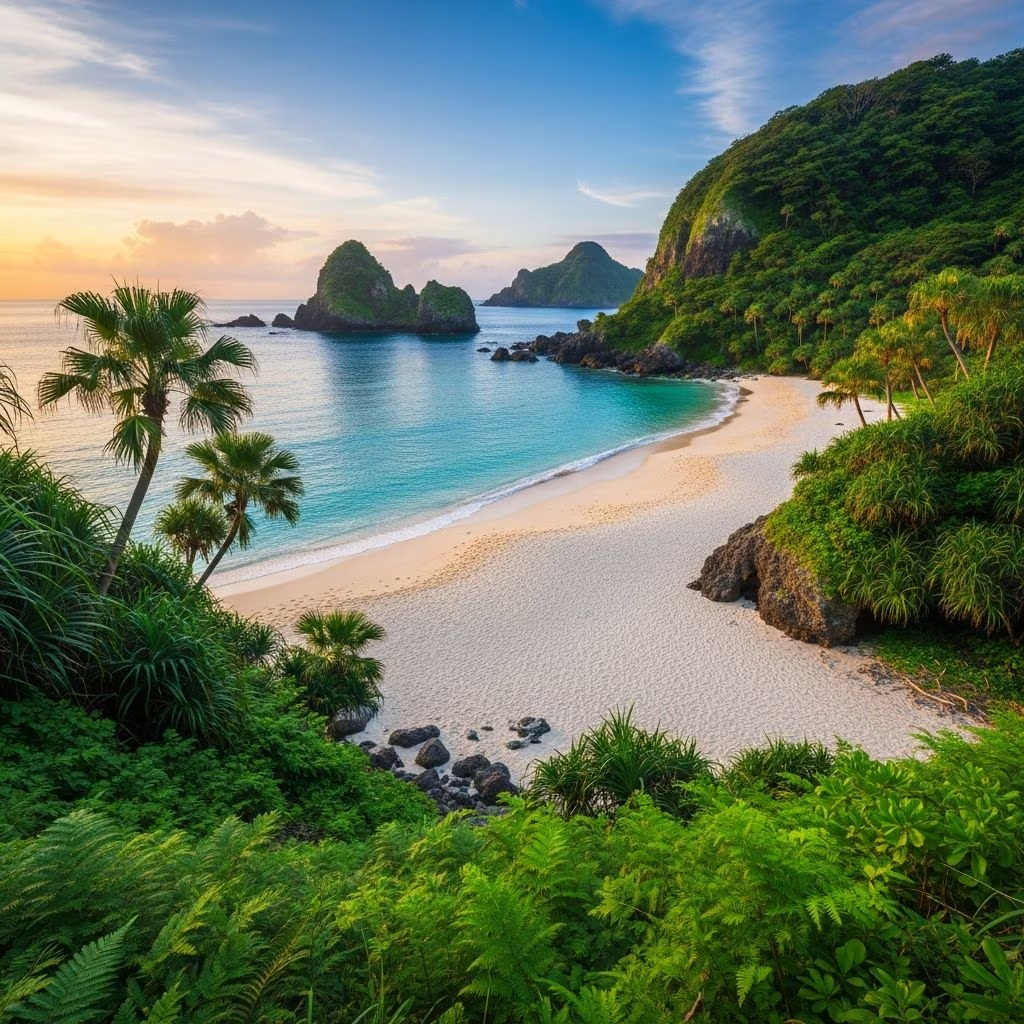
Amami stands out for its unique blend of Ryukyu culture, biodiversity, and accessibility. In 2021, parts of Amami Oshima earned UNESCO World Natural Heritage status for its ancient forests and rare species like the nocturnal Amami rabbit. The archipelago’s 13 islands feature mangrove swamps, coral reefs teeming with tropical fish, and beaches where powdery white sand meets turquoise lagoons. Ferry travel enhances the journey, with daily routes linking key ports over 25 hours, allowing stops at multiple islands without flights.
Travelers appreciate the lack of mass tourism, fostering intimate encounters with local traditions such as shochu distillation—a potent sweet potato spirit—and mangrove kayaking. Summer brings ideal swimming conditions, while winter offers mild hikes through mist-shrouded trails. With populations under 100,000 across the main islands, Amami preserves a tranquil vibe perfect for relaxation and exploration.
The prime way to experience Amami is via the daily ferry from Kagoshima (Kyushu) to Naha (Okinawa), or vice versa, stopping at four main islands: Amami Oshima, Kakeroma, Tokunoshima, and Yoron-to. Departing Kagoshima at evening, the southbound ferry arrives in Naha the next evening, with ports like Naze (Amami Oshima) en route. Northbound leaves Naha at 7am, reaching Amami Oshima by evening.
Flights provide quicker access: Amami Airport connects Tokyo (2h10m), Osaka (1h30m), and Kagoshima (50m) via JAL or Peach. Inter-island hops to Tokunoshima or Yoron-to cost 8,000-10,000 JPY but skip ferry seasickness. Rent cars or bikes upon arrival for flexibility.
Largest at 712 sq km with 73,000 residents, Amami Oshima captivates with 65% forest cover, including Japan’s second-largest mangrove system. Northern resorts fringe white-sand beaches like Tomori and Great Blue Beach, ideal for snorkeling amid vibrant reefs. The island’s UNESCO-listed interior harbors the Amami rabbit, habu snakes, and 200+ bird species—join guided night tours to spot them.
Top activities:
Stay in beachfront ryokans or eco-lodges; drive the coastal roads for panoramic views.
South of Amami Oshima, Tokunoshima’s dramatic cliffs and pastures host ushi-zumo—bull sumo wrestling, a cultural spectacle drawing locals yearly. The island’s wild beaches and clear waters suit surfing and free diving. Explore via scooter, stopping at hidden coves and freshwater springs. Limited accommodations emphasize farmstays, immersing visitors in rural life.
Just 23km around with 6,000 people, Yoron-to is a cyclist’s dream—60 white-sand beaches ring its raised coral atoll. Yurigahama islet emerges at low tide, perfect for photos and shelling amid turquoise reefs. Snorkel from shore to see colorful fish; evenings bring stargazing on deserted strands. Simple guesthouses and minshuku offer fresh seafood meals.
Linked to Amami Oshima by bridge, Kakeroma’s calm bays and mangrove channels invite paddleboarding and glass-bottom boat tours. Its secluded beaches and hot springs provide quiet respite. Hike to viewpoints overlooking the chain’s expanse.
| Aspect | Details |
|---|---|
| Best Season | April-November for swimming; avoid typhoon peak (Aug-Sep). |
| Budget (per day) | 15,000-25,000 JPY (ferry, lodging, food, rentals). |
| Transport | Rent cars (5,000 JPY/day), bikes (1,000 JPY), or buses. |
| Language | Japanese dominant; basic English at tourist spots. |
Pack reef-safe sunscreen, insect repellent, and cash—ATMs are sparse. Ferries run year-round but book ahead in peak summer. For multi-island itineraries, allow 7-10 days: 3 on Amami Oshima, 2 each on others.
Amami’s cuisine shines with chicken rice bowls, turmeric-spiced dishes, and fresh keihan (chicken rice). Savor shochu at distilleries; try keiko fish sashimi. Festivals like bull wrestling and silk weaving demos reveal Ryukyu roots blending Japanese and Okinawan influences.
Yes, low crime and friendly locals make it ideal; stick to marked trails for wildlife safety.
Minimum 5 days for two islands; 10+ for full route.
Best May-Oct; water stays warm (20°C+).
Limited; seek jimono (veggie tempura) or resort menus.
Standard Japan rules apply; 90 days visa-free for many nationalities.
Amami’s fragility demands responsible tourism: avoid touching corals, stay on paths, support local guides. National park status protects its ecosystems, ensuring future generations enjoy this paradise.
