

 Travel Essentials
 Travel Essentials

A comprehensive guide to America's most visually captivating college campuses, showcasing architectural excellence and natural beauty across diverse regions.
 Travel Essentials
The United States is home to hundreds of colleges and universities, many of which showcase remarkable architectural achievements and breathtaking natural surroundings. Beyond their role as centers of academic excellence, these institutions represent significant cultural and aesthetic landmarks that draw visitors from around the world. The physical environments in which students learn profoundly influence their educational experience, and many American campuses have been deliberately designed to inspire intellectual growth and contemplation through their spatial planning and visual appeal.
College campuses serve as more than mere locations where classes occur. They function as curated environments that reflect institutional values, historical traditions, and architectural movements spanning centuries. The layout of buildings, the preservation of natural landscapes, and the integration of public spaces create communities where students develop not only academically but also socially and personally. Universities have historically invested significant resources in creating aesthetically pleasing environments, recognizing that surroundings influence mood, creativity, and scholarly engagement.
The tradition of thoughtful campus planning in America dates back to the founding of early universities. Many institutions commissioned renowned architects and landscape designers to establish master plans that would guide their physical development. This commitment to aesthetic excellence continues today, with universities balancing modern facility requirements against the preservation of historic structures and natural features.
The northeastern United States hosts several universities renowned for their distinctive architectural styles and historical significance. These institutions often feature stone buildings with classical elements, ivy-covered walls, and manicured grounds that evoke centuries of academic tradition. Many were established during America’s early years and have maintained their original architectural character while adapting to contemporary educational needs.
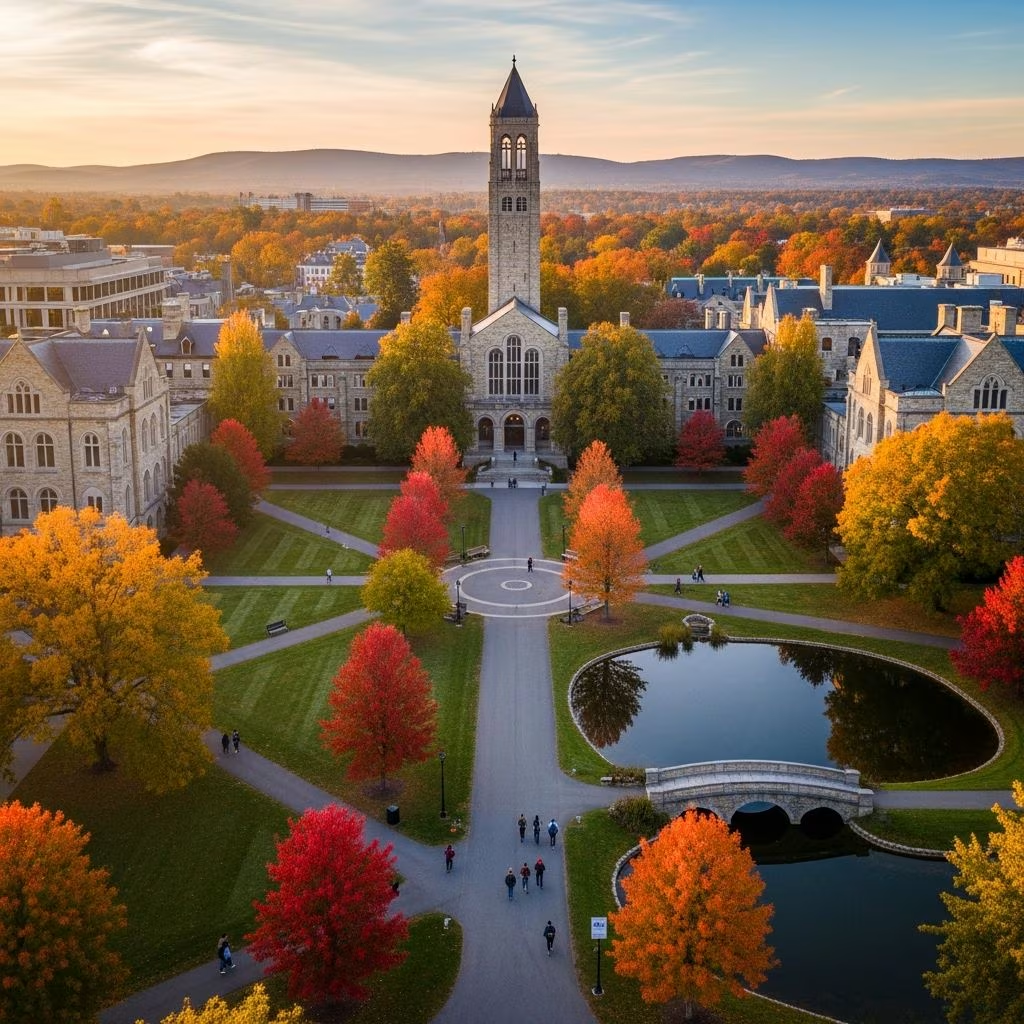
These campuses frequently incorporate elements of collegiate Gothic architecture, a style that emerged in the late 19th century as American universities sought to emulate the appearance of Oxford and Cambridge. Stone facades, arched windows, and tower elements create dramatic skylines that define entire towns and regions. The careful preservation of these structures demonstrates institutional commitment to honoring their heritage while welcoming successive generations of students.
Universities located in mountainous and high-elevation regions of America offer distinctive visual experiences characterized by dramatic natural backdrops and expansive vistas. These institutions benefit from proximity to pristine wilderness areas, alpine meadows, and forest ecosystems that provide natural boundaries and settings for campus development.
Mountain campuses often feature:
The elevation and geographical positioning of these institutions create distinct seasonal transformations, with campuses experiencing dramatic changes in snowfall, vegetation, and atmospheric conditions throughout the academic year. This dynamic natural environment provides students with constant connection to seasonal cycles and environmental processes.
Institutions situated along America’s Pacific coastline benefit from year-round moderate climates, ocean views, and distinctive architectural traditions influenced by Mediterranean design principles. These campuses often incorporate elements suited to sunny, dry climates, including courtyards, open-air walkways, and water features designed for visual interest and climate management.
Pacific coast universities frequently feature:
The mild climates of coastal regions support year-round outdoor activities and the maintenance of diverse plant species. Universities in these areas often showcase botanical gardens, native plant collections, and carefully designed landscapes that demonstrate horticultural expertise.
Universities throughout the American South often occupy campuses with deep historical roots, featuring architecture that reflects regional building traditions and cultural heritage. Many southern institutions have prioritized the preservation of historic structures while expanding to accommodate modern academic programs and student populations.
Southern campus characteristics include:
The preservation challenges faced by southern universities have led to innovative approaches combining historical accuracy with modern functionality. Many institutions have established dedicated preservation offices and consulted with architectural historians to ensure appropriate stewardship of their built heritage.
Universities in America’s Midwest often occupy expansive campuses that take advantage of wide-open spaces and relatively flat terrain. The architectural traditions of midwest institutions frequently reflect practical construction methods, emphasis on functional design, and adaptation to continental climate conditions featuring significant temperature variations and seasonal weather extremes.
Midwest campus features typically include:
| Architectural Style | Time Period | Key Features | Notable Examples |
|---|---|---|---|
| Collegiate Gothic | 1880-1940 | Stone construction, arched windows, tower elements, ivy-covered walls | Eastern universities with 19th-century foundations |
| Beaux-Arts | 1890-1920 | Symmetrical facades, classical ornamentation, grand staircases | Universities with formal master plans |
| Mediterranean Revival | 1900-present | Clay tile roofs, stucco walls, courtyards, arched colonnades | Pacific coast institutions |
| Modernist | 1950-1980 | Clean lines, open floor plans, concrete and glass construction | Mid-century university expansions |
| Contemporary | 1990-present | Sustainable materials, technological integration, flexible spaces | Recent campus renovations and new buildings |
Beyond architectural structures, natural landscape elements profoundly influence the aesthetic and functional qualities of college campuses. Universities have invested substantial effort in landscaping, botanical gardens, and ecological restoration projects that enhance visual appeal while supporting environmental stewardship and biodiversity.
Key landscape features found across premier campuses include:
Thoughtful campus design directly influences student satisfaction, academic performance, and community engagement. Research demonstrates that physical environments affect psychological well-being, social connection, and intellectual productivity. Universities recognized this reality and have increasingly invested in creating spaces that support diverse learning styles and student needs.
Effective campus planning considers:
Beautiful campuses typically combine quality architecture, thoughtful landscape design, historical significance, and natural features. The integration of these elements creates environments that inspire and engage visitors. Consistent architectural style, well-maintained grounds, and strategic use of open spaces contribute to overall visual impact.
Most American universities welcome visitors to their campuses, though access policies vary. Many institutions offer organized tours, outdoor spaces that remain accessible to the public, and visitor centers providing orientation and information. Visitors should check institutional websites for current policies and designated visiting hours.
Universities employ preservation specialists, establish endowments for restoration projects, and consult with architectural historians. Regular maintenance prevents deterioration, while strategic renovations balance historical accuracy with contemporary functionality. Many institutions train students in preservation techniques and involve them in maintenance projects.
Major construction projects, particularly those involving stone masonry or specialized materials, represent significant expenses. Ongoing maintenance, landscaping, and utilities also require substantial annual budgets. Donor contributions and endowment funds often support capital projects and preservation initiatives.
Universities increasingly employ architects who study existing campus aesthetics and design new structures that complement rather than contrast with established architectural character. Material selection, scale, proportions, and color schemes receive careful consideration to ensure visual cohesion.
For prospective students, families exploring educational options, and architectural enthusiasts, campus visits offer valuable experiences. Many universities provide guided tours highlighting significant buildings, explaining architectural histories, and showcasing student life. Spring and fall typically offer ideal visiting conditions, with pleasant weather and dynamic campus activity.
When visiting campuses, consider:
Contemporary universities increasingly integrate sustainability principles, technological infrastructure, and inclusive design practices into campus development. Future campus planning will likely emphasize climate resilience, renewable energy integration, and flexible spaces accommodating evolving educational methodologies. Historic preservation remains important while campuses balance heritage conservation with necessary modernization.
Emerging trends in campus design include green building certification, restoration of natural ecosystems, development of outdoor learning spaces, and creation of community gathering areas that enhance social connection and intellectual exchange.
