

 Travel Essentials
 Travel Essentials

A comprehensive guide to America's most stunning natural and cultural destinations, featuring iconic parks, coastal regions, and hidden gems.
 Travel Essentials
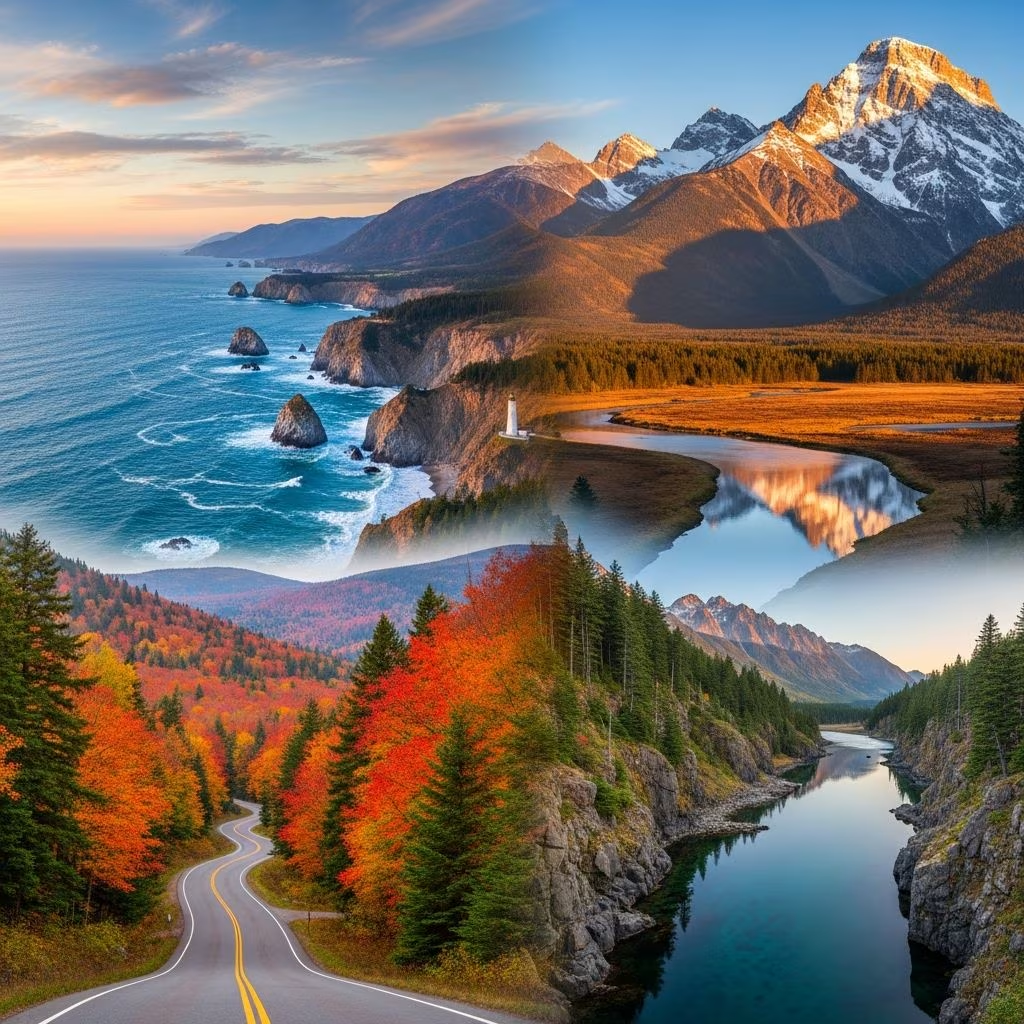
The United States encompasses an extraordinary range of landscapes, from towering mountain ranges to pristine coastlines, vibrant deserts, and lush forests. Each region of the country offers distinct natural beauty and cultural experiences that draw millions of visitors annually. Whether you seek adventure, relaxation, or cultural immersion, American destinations provide unforgettable experiences for every type of traveler.
The United States maintains one of the world’s most extensive and well-preserved systems of national parks and protected lands. These areas showcase geological formations, biodiversity, and natural phenomena that have captivated visitors for generations. The national park system, established to preserve America’s natural heritage, protects landscapes that range from sea level to alpine peaks.
Among the most visited and photographed destinations are the dramatic canyonlands of the American Southwest. These regions display geological history spanning billions of years, with rock formations in hues ranging from deep crimson to pale gold. The sheer scale and accessibility of these parks make them essential destinations for landscape photographers and nature enthusiasts alike.
Mountain ranges throughout the country offer hiking, climbing, and scenic driving opportunities. From the Appalachian Mountains in the East to the Rocky Mountains stretching through the center of the continent, these elevated regions provide cooler temperatures, alpine meadows, and expansive vistas. Visitors can experience everything from day hikes to multi-week backpacking expeditions.
Utah has emerged as a premier destination for those seeking dramatic geological formations and outdoor recreation. The state’s concentration of national parks and monuments provides visitors with access to some of North America’s most distinctive landscapes. Red rock formations, carved by millions of years of erosion, create natural amphitheaters and towering spires.
The northeastern coast of the United States features rocky shores, evergreen forests, and charming coastal communities. This region combines maritime heritage with pristine natural landscapes. Granite cliffs meet the Atlantic Ocean, creating dramatic seascapes particularly striking during autumn when deciduous trees display vibrant foliage.
America’s coastlines stretch across thousands of miles, encompassing diverse beach environments from tropical Caribbean-style shores to rugged Pacific cliffs. Coastal destinations attract visitors seeking relaxation, water activities, and scenic beauty combined with cultural experiences.
The southeastern coast features warm waters, Spanish moss-draped trees, and historic architecture. These destinations blend natural beauty with cultural significance, offering visitors opportunities to explore colonial history alongside contemporary cuisine and arts scenes. Barrier islands protect the mainland, creating shallow waters ideal for swimming and water sports.
The Pacific coast presents a different aesthetic, with dramatic cliffs rising directly from crashing waves. Dense redwood and coniferous forests extend nearly to the shore in many areas. Coastal towns maintain strong connections to maritime traditions while developing vibrant local cultures.
The Hawaiian archipelago represents the only US state consisting entirely of islands. Each island offers distinct characteristics: some feature dramatic sea cliffs, others showcase volcanic landscapes, and several provide pristine sandy beaches. The combination of tropical climate, unique flora and fauna, and Polynesian culture creates an unparalleled destination experience.
The Gulf of Mexico coastline extends across five states and encompasses diverse environments. Pristine white sand beaches transition to barrier islands, tidal marshes, and subtropical ecosystems. The region’s warm climate supports outdoor activities year-round and provides a distinct cultural identity influenced by maritime heritage and Latin American traditions.
The American Southwest presents some of the continent’s most unusual and visually striking landscapes. Vast expanses of open desert, interrupted by mountain ranges and canyon systems, create scenery that seems almost otherworldly. The arid climate preserves geological features that weather more rapidly in humid regions, creating natural sculpture gardens.
Desert ecosystems support specialized plant and animal communities adapted to extreme conditions. Visitors experience dramatic temperature variations between day and night, brilliant starry nights with minimal light pollution, and landscapes seemingly devoid of vegetation that actually teem with life. Photography enthusiasts favor these regions for the quality and uniqueness of light and shadow.
Arizona encompasses multiple distinct geological provinces within its borders. From the famous red rocks of Sedona to the Sonoran Desert’s saguaro cacti, the state displays remarkable diversity. Ancient geological formations provide evidence of former seas, volcanic activity, and erosional processes.
New Mexico combines desert landscapes with mountain regions and unique cultural heritage. The state’s relatively low population density in many areas ensures visitors encounter pristine wilderness experiences. Local art communities have established themselves in small towns, creating vibrant cultural centers amid natural beauty.
The eastern United States experiences pronounced seasonal changes that create distinct visual experiences throughout the year. Deciduous forests dominate much of the region, transitioning from spring blooms to summer greenery to spectacular autumn color displays.
Fall foliage attracts millions of visitors annually to northern regions where the combination of temperature fluctuations and precipitation creates particularly vivid color displays. Mountain ranges, particularly the Appalachians, provide elevated vantage points and scenic driving routes. The relatively compact geography makes it possible to experience multiple landscape types within short distances.
The Great Lakes represent one of North America’s most significant freshwater resources. Surrounding regions feature sandy beaches, rocky shorelines, dune systems, and diverse ecosystems. Seasonal variations create different experiences: summer beach seasons contrast sharply with winter snow-covered landscapes.
The Pacific Northwest combines coastal drama with temperate rainforest ecosystems. This region receives substantial precipitation, supporting dense vegetation that creates lush green landscapes. The combination of old-growth forests, rushing rivers, and dramatic mountain backdrops creates distinctive scenery.
This region’s climate supports outdoor recreation year-round, though seasonal variations affect access to higher elevations. Winter storms bring snow to mountain passes while lowlands experience rain. Summer months provide ideal conditions for hiking and water activities.
Each region of the United States offers distinct advantages for different types of travelers and seasons. Understanding regional characteristics helps visitors plan trips aligned with their interests and physical capabilities.
Different destinations require varying levels of physical exertion and technical skill. Some areas feature well-maintained trails and overlooks accessible to visitors of all abilities, while others require specialized hiking experience or climbing expertise. Planning should account for individual fitness levels, age considerations, and any physical limitations.
Destinations vary significantly in available accommodations, dining, and services. Some regions feature extensive tourist infrastructure with numerous hotel, restaurant, and activity options. Others maintain deliberately limited development to preserve natural character, requiring visitors to make advance reservations and self-prepare for stays.
America’s diverse landscapes provide endless opportunities for photography. Different destinations present distinct challenges and rewards for visual documentation. Understanding lighting conditions, seasonal variations, and optimal vantage points enhances the photography experience.
Professional photographers identify specific locations and conditions that consistently produce compelling images. Popular destinations attract photographers during optimal seasons, potentially creating crowded conditions at renowned viewpoints. Less-visited alternative vantage points often provide equally compelling views with greater solitude.
Visiting these natural destinations carries responsibility to minimize environmental impact. Popular areas experience degradation from overuse when visitors fail to follow established guidelines. Proper trail practices, waste management, and wildlife respect ensure these landscapes remain available for future generations.
Many destinations implement visitor management strategies including permit systems, capacity limits, and designated trail use. Understanding and respecting these guidelines preserves both the natural environment and the visitor experience for others.
Optimal visiting times depend on specific destinations and personal preferences. Summer offers peak season access to mountain parks, fall provides spectacular foliage in eastern regions, spring brings desert wildflowers, and winter suits those seeking snow-covered landscapes or tropical warmth. Shoulder seasons (spring and fall) often provide ideal combinations of pleasant weather and smaller crowds.
Group destinations by geographic proximity to minimize travel time between locations. Consider regional themes—a Utah canyon tour, a coastal Pacific Northwest route, or an eastern mountain circuit. Allow sufficient time at each destination to experience it thoroughly rather than rushing through multiple stops.
Essentials vary by destination and season but typically include appropriate footwear for hiking, weather-appropriate clothing with layers, sun protection, and adequate water. Check specific destination requirements for elevation-related items, specialized gear, or seasonal considerations before packing.
Many popular destinations feature accessible viewpoints, paved trails, and accommodations. However, accessibility varies significantly. Contact specific parks or destinations in advance to understand available options and plan accordingly.
National parks collectively receive hundreds of millions of visits annually. Individual parks vary in popularity based on location, facilities, and prominent features. Planning visits during off-peak seasons reduces crowds and enhances the experience at popular destinations.
Exploring America’s most beautiful destinations offers rewards ranging from peaceful solitude in pristine wilderness to vibrant cultural experiences in gateway communities. Whether seeking dramatic photography opportunities, physical outdoor challenges, or simple natural beauty appreciation, the United States provides unparalleled variety within its borders.
The diversity of American landscapes means multiple visits to different regions create entirely distinct experiences. From sea-level beaches to alpine peaks, from verdant eastern forests to stark desert vistas, from tropical islands to temperate rainforests, the US encompasses representative examples of nearly every ecosystem type found on Earth.
