

 Travel Essentials
 Travel Essentials

Explore unique canal tours in Amsterdam where participants fish out trash to combat plastic pollution, combining fun, education, and sustainability efforts.
 Travel Essentials
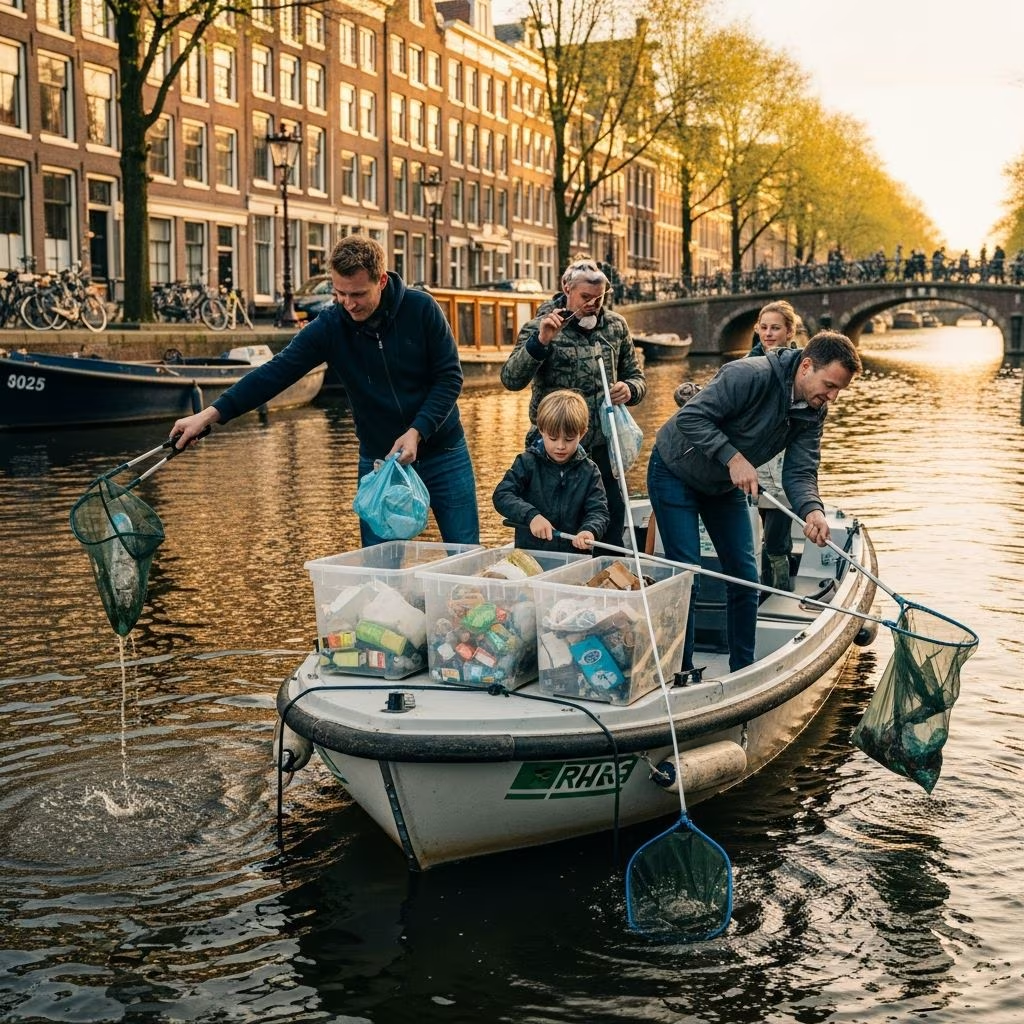
Amsterdam’s picturesque canals, a UNESCO World Heritage site, attract millions of visitors each year for leisurely boat rides. However, beneath the serene surface lies a hidden environmental challenge: plastic pollution. Innovative tours now invite travelers to participate in trash-fishing expeditions, turning sightseeing into a hands-on cleanup mission. These experiences, led by organizations like Plastic Whale, empower participants to remove waste directly from the water, fostering awareness and action against ocean-bound plastics.
Despite their beauty, Amsterdam’s 17th-century canals accumulate significant debris. Plastics, bottles, and discarded items flow in from urban runoff, threatening marine ecosystems. Each year, thousands of plastic bottles and tons of other waste are retrieved from these waters, highlighting the severity of the issue even in a well-maintained city. Fresh water circulation from nearby lakes helps, but ongoing human activity introduces new pollutants daily.
These tours reveal what standard cruises overlook: the gritty reality of urban waterways. Participants often uncover surprising items, from everyday litter to unexpected treasures, underscoring how everyday waste impacts even iconic landscapes.
These eco-adventures typically last two hours and depart from central docks. Here’s what to expect:
By tour’s end, groups often haul several bags of PET bottles, general plastics, and glass, contributing meaningfully to cleaner canals.
Founded to combat plastic pollution at its source, Plastic Whale operates in Amsterdam and Rotterdam. Their fleet of upcycled boats—built from fished-out waste—creates a circular economy. Since inception, they’ve removed over 105,000 bottles and 2,000 bags of debris as of late 2017, with ongoing efforts scaling up.
The social enterprise employs locals, supports artisans turning waste into furniture, and educates on plastic’s lifecycle. Tours emphasize prevention: by intercepting waste before it reaches seas, they protect global oceans.
Beyond Plastic Whale, Amsterdam boasts diverse options:
| Provider | Key Features | Duration & Cost | Location |
|---|---|---|---|
| Plastic Whale | Recycled boats, competitive fishing, upcycling info | 2 hours, from €20-30 | Amsterdam canals |
| Eco Boats Amsterdam | Low-cost nets provided, family-friendly | 1-2 hours, €3/person add-on | Central canals |
| Flagship Events | Team-building focus, electric boats | Custom, group rates | Amsterdam harbors |
These vary in focus—some prioritize fun, others corporate events—but all promote sustainability.
Trash-fishing isn’t just symbolic. Annually, initiatives like these extract over 25,000 bottles from Amsterdam’s canals alone. By repurposing collected plastic into boats and products, they reduce landfill waste and manufacturing demands. This closed-loop system inspires similar programs worldwide, proving tourism can drive conservation.
Water quality improves indirectly: less debris means healthier aquatic life and reduced microplastic spread. Participants leave with tangible proof of impact—bags of retrieved waste—and motivation to adopt plastic-free habits.
Tours yield eclectic hauls: passports, toys, furniture fragments, even mannequins. These artifacts spark conversations about consumerism and waste. Guides share tales of massive cleanups, like post-event littered zones, emphasizing collective responsibility.
Families bond over competitions, while solo travelers connect with like-minded eco-enthusiasts. Reviews praise the blend of education, exercise, and scenery, calling it a “refreshing twist on canal cruises”.
To maximize your experience:
Costs are comparable to standard cruises, with added value in purpose and uniqueness.
Amsterdam’s model redefines travel: from passive observer to active steward. It challenges the overtourism narrative by channeling visitor energy into positive change. Similar efforts in Venice and Bangkok show global momentum.
Cities benefit economically—jobs in cleanup and crafting—while tourists gain deeper cultural insights. This shift could transform high-traffic destinations, making environmental health a core attraction.
Yes, most are family-friendly with age minimums around 5-6 years. Kids love the net-fishing game and learn valuable lessons.
Averages 3-5 bags per boat, including bottles, plastics, and glass, varying by route and season.
No—guides train everyone. It’s accessible for all fitness levels.
It’s sorted, recycled into boats and products, creating a zero-waste cycle.
Tours operate year-round; covered boats and gear ensure comfort.
Standard cruises offer views; these deliver purpose. You’ll witness Amsterdam’s underbelly, contribute to its future, and share stories of your “catch.” In a world facing plastic crises, such tours embody responsible adventure.
