


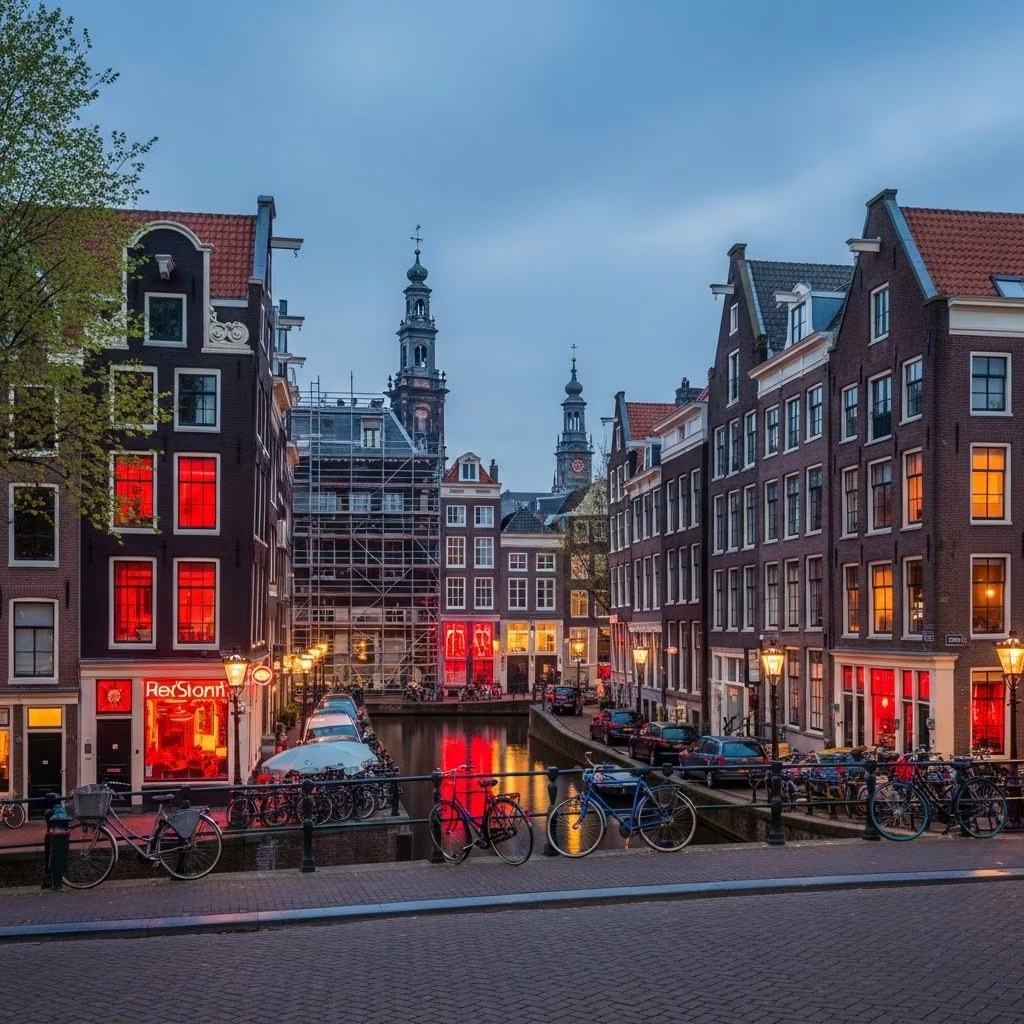
Amsterdam’s De Wallen, one of Europe’s oldest neighborhoods and home to the world’s most famous red light district, stands at a crossroads. For centuries, this compact area has functioned as a regulated space for legalized sex work, earning its place in global tourism guides and attracting millions of visitors annually. However, rapid growth in tourism and changing urban priorities have prompted city officials to envision a significant transformation. The proposed relocation of a substantial portion of the district to a new facility outside the city center represents one of the most ambitious urban planning initiatives in recent Amsterdam history.
Understanding the Current Red Light District
De Wallen occupies a unique position within Amsterdam’s cultural landscape. The neighborhood contains approximately 249 licensed prostitution windows, where sex workers operate under strict regulations designed to protect their safety and rights. Beyond its primary function, the area has evolved into a multifaceted destination featuring historic architecture, cultural venues, restaurants, and bars. Visitors encounter a carefully managed system where legalization and regulation distinguish Amsterdam’s approach from many other cities globally.
The traditional red neon lighting that illuminates the windows has become iconic imagery, instantly recognizable in popular culture and travel media. Yet this same visibility and attraction have contributed to mounting challenges that city administrators and residents increasingly view as unsustainable.
The Overtourism Crisis and Its Impact
Amsterdam has experienced explosive tourism growth over the past two decades, with visitor numbers frequently exceeding local population figures. The Red Light District, while representing only a fraction of the city’s total area, has become disproportionately affected by this phenomenon. Large groups of tourists, particularly young visitors from Northern Europe, flood the narrow streets primarily to observe rather than engage meaningfully with local culture or support established businesses.
This concentration of visitors creates multiple problems:
- Disruption of residential life for the approximately 2,000 people who call De Wallen home
- Noise pollution and street congestion during peak hours
- Environmental strain on historic infrastructure not designed for contemporary visitor volumes
- Degradation of the neighborhood’s character and authenticity
- Challenges for sex workers attempting to conduct business amid constant observation and photography attempts
Local businesses report mixed impacts, with some benefiting from tourism spending while others struggle against the chaos and disrespect displayed by intoxicated visitors.
Municipal Intervention: A New Vision Emerges
Mayor Femke Halsema has championed a comprehensive strategy to address these interconnected challenges since taking office in 2018. Her administration has implemented a series of progressive policies designed to reshape Amsterdam’s international image and restore quality of life for residents. These initiatives include banning public cannabis consumption within the district, mandating bar closures, restricting alcohol sales and advertising, and launching targeted campaigns discouraging certain visitor demographics from traveling to the city.
However, these regulatory measures represented only partial solutions. City officials recognized that managing the symptoms alone would prove insufficient to achieve their broader goals. A more transformative approach would be necessary—one that fundamentally restructured the relationship between the Red Light District and tourism while maintaining Amsterdam’s commitment to regulated, safe sex work.
The Proposed Erotic Centre: Vision and Location
In December 2023, Amsterdam unveiled an ambitious proposal: the creation of a dedicated Erotic Centre in Europaboulevard, a location in the city’s southern district removed from the historic center. This facility would operate as a comprehensive complex housing cultural programming, commercial establishments, and the relocated windows.
The facility’s design contemplates multiple functional areas:
- Two dedicated towers featuring the windowed brothel spaces
- Ground-floor commercial zones including sex shops, adult-oriented theaters, restaurants, and bars
- Dedicated LGBTQ+ spaces and programming
- Cultural event spaces hosting educational seminars, feminist lectures, and specialized wellness activities such as tantric yoga
Critically, the new structure would restrict window visibility exclusively to the interior of the building. Unlike the current street-facing design, passersby would encounter no views of sex workers or their workspaces. This architectural choice fundamentally alters the primary attraction driving casual tourist traffic to De Wallen.
Implementation and Timeline
The relocation plan proposes moving approximately 100 of the 249 existing windows, with an equal number closing in the current location. The total quantity of licensed sex work permits would remain constant across the city; no reduction in regulated opportunities would occur. Instead, the change would redistribute these workspaces geographically while modifying their visibility and accessibility.
The timeline extends across multiple years. City council debate is ongoing, with approval processes continuing through 2026. Should elected officials authorize the project, construction would require approximately seven years for completion. Opening is unlikely before 2031, allowing the city substantial time to work through implementation challenges, community consultations, and design refinements.
Strategic Objectives Behind the Transformation
The proposal pursues multiple interconnected goals simultaneously. First, relocating the most visible aspects of sex work to a contained, off-center facility would eliminate the primary motivation driving substantial portions of Amsterdam’s casual tourism to De Wallen. Individuals seeking merely to observe window displays or engage in intoxicated street behavior would have minimal reason to visit the historic neighborhood.
Second, the Erotic Centre would create improved working conditions for sex workers. A purpose-built facility designed with their safety, comfort, and professional needs in mind contrasts sharply with adaptation of centuries-old buildings. Modern construction could incorporate security systems, support services, and ergonomic features addressing long-standing worker concerns.
Third, removing the tourism magnet from De Wallen would allow residents to reclaim their neighborhood. Streets would experience reduced congestion and noise. Local businesses could serve community members rather than solely catering to intoxicated tourists. The historic character of Amsterdam’s oldest neighborhood could be restored and celebrated in ways disconnected from sex tourism narratives.
Community Response and Opposition
Predictably, the proposal has generated mixed reactions from various stakeholders. Residents of De Wallen have expressed both support for reducing tourism chaos and concerns about potential economic impacts to businesses dependent on visitor spending. Local shop owners, restaurant proprietors, and cultural institution directors offer divergent perspectives based on their particular circumstances.
Neighbors of the proposed Europaboulevard location have expressed objections, citing concerns about property values, neighborhood character, and the appropriateness of placing such a facility in their residential area. This classic opposition reflects broader tensions inherent in urban relocation projects; while one community seeks relief, another resistsbecoming the designated host.
Sex workers themselves display nuanced responses. Some recognize potential safety and professional improvements offered by purpose-built facilities. Others worry about isolation from central locations, potential loss of income if the relocation disrupts clientele patterns, and whether promises of superior working conditions will materialize. Worker voices remain essential yet sometimes underrepresented in official planning discussions.
Alternative Approaches Considered
Before settling on the relocation model, Amsterdam’s municipal government explored alternative strategies for managing the district’s challenges. These included scenarios ranging from moderate to radical interventions.
One approach involved maintaining windows in their current locations while permanently closing curtains and blinds. This would preserve the physical infrastructure and local community while eliminating visual observation—the primary tourist draw. However, this solution addressed symptoms without reducing core tourism demand for the neighborhood.
More extreme alternatives proposed completely closing De Wallen’s windows and redistributing sex workers across multiple smaller facilities throughout the city. While potentially reducing concentration effects, this approach faced substantial opposition from both residents and workers, as well as practical implementation challenges.
The relocation model ultimately emerged as balancing these competing interests more effectively than alternatives, offering meaningful tourism reduction while maintaining regulated opportunities and considering worker welfare.
Visiting the Red Light District Today
For travelers currently planning Amsterdam visits, understanding present conditions remains important. De Wallen remains fully operational and welcomes respectful visitors. The neighborhood functions as both a working community and historical site, demanding visitors exercise appropriate decorum.
Essential etiquette includes absolute prohibition against photographing sex workers or occupied windows—a rule strictly enforced with consequences including device confiscation and removal from the area. Alcohol consumption on streets is banned, with violators facing significant fines. Visitors should recognize that approximately 2,000 residents call this neighborhood home; noise and disruption during late hours disrespect their legitimate interests in peaceful living spaces.
Daytime visits reveal De Wallen’s historic character and cultural institutions, including the Oude Kerk (Old Church) and hidden religious structures, often overlooked by evening visitors focused solely on the district’s adult-oriented attractions.
Broader Implications for Amsterdam’s Future
The Red Light District transformation reflects Amsterdam’s evolving relationship with tourism and its identity. The city has increasingly recognized that managing visitor volumes and behavior requires structural interventions beyond conventional regulatory approaches. The current moment represents a potential inflection point where policy intentionally reshapes built environment and spatial organization to achieve social objectives.
This transformation also signals broader European cities’ growing recognition that unmanaged tourism creates negative externalities affecting both residents and the authentic character that initially attracted visitors. Amsterdam’s approach may offer lessons for other destinations struggling with similar challenges.
Looking Forward: Questions and Uncertainties
While the proposal represents thoughtful planning addressing multiple legitimate concerns, significant uncertainties remain. Will the relocated facility genuinely attract sufficient clientele to sustain economic viability for sex workers? Will the promised improvements to working conditions materialize? Will tourism genuinely decline in De Wallen, or will visitors seek alternative attractions? How will the transition period—spanning years during which both facilities exist—function operationally?
These questions will only resolve through implementation. The city’s commitment to monitoring outcomes and adjusting approaches will prove essential to the project’s ultimate success or failure.
References
- A new location for Amsterdam’s red light district has been unveiled — Timeout. 2023. https://www.timeout.com/news/a-new-location-for-amsterdams-red-light-district-has-been-unveiled-121923
- Amsterdam Picks New Spot For Red Light District Tourism — Skift. 2023-12-22. https://skift.com/2023/12/22/amsterdam-picks-new-spot-for-red-light-district-tourism/
- Why Amsterdam is Building a New Red Light District — YouTube. https://www.youtube.com/watch?v=sA0Fh91Wlm8
- Red Light District Amsterdam (2026): Rules, Safety & De Wallen Guide — StoryHunt. 2026. https://www.storyhunt.io/en/articles/red-light-district
- FAQ [2026] – Amsterdam Red Light District Questions — Amsterdam Red Light District Tour. 2026-04. https://www.amsterdamredlightdistricttour.com/information/faq/

