

 Travel Essentials
 Travel Essentials

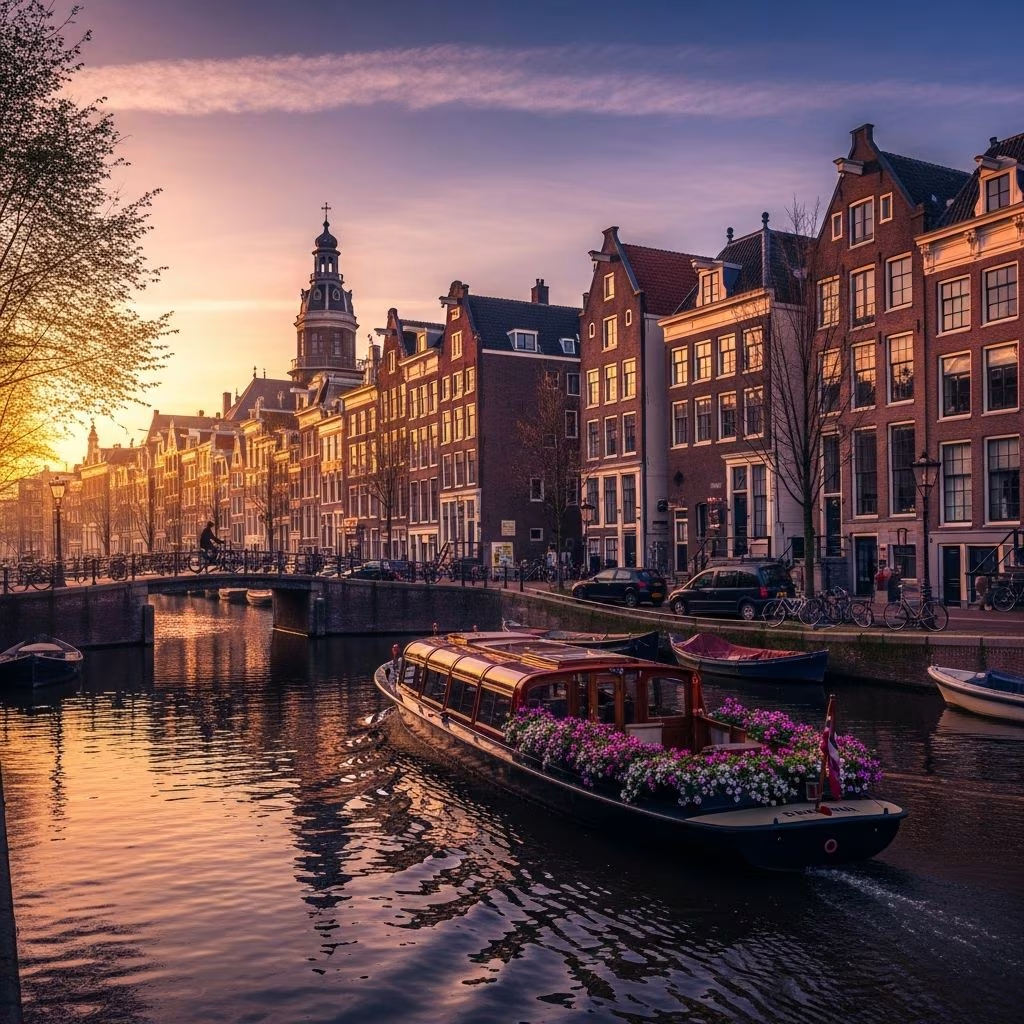
Amsterdam evolves beyond crowds with eco-innovations, bike-friendly designs, and inclusive experiences, aiming for a greener, circular future by 2050.
 Travel Essentials
Amsterdam, the iconic Dutch capital, is undergoing a profound transformation. Once synonymous with overtourism and lively nightlife, it now prioritizes sustainability, community well-being, and meaningful visitor experiences. As it approaches its 750th anniversary in 2025, the city is pioneering initiatives to become emission-free by 2030 and fully circular by 2050, blending historic charm with forward-thinking urban planning.
The city is tackling overtourism head-on to ensure it remains livable for 900,000 residents while welcoming quality visitors. Key measures include closing the cruise ship port in 2026, stricter regulations on short-term rentals, and limits on new hotels in the city center. These steps reduce overcrowding in historic areas like the Red Light District, where earlier bar closing times curb rowdy behavior.
This approach defines “visitors of value”—those seeking cultural depth over quick thrills—fostering a balanced ecosystem.
Bikes outnumber people 1.2 million to 900,000, making Amsterdam the world’s premier cycling city. Recent upgrades include massive underground garages at Centraal Station, holding 11,000 bikes and accommodating half of commuters. Cycle superhighways connect suburbs seamlessly, while trams offer efficient public transit on narrow streets.
| Infrastructure | Capacity/Features | Impact |
|---|---|---|
| Underwater Bike Garages | 11,000 spaces (opened 2023) | 50% commuter bike arrivals |
| Cycle Superhighways | Extensive network | Reduces car use by 40% |
| Tram System | Electric, frequent | Low-emission urban travel |
Pedestrian zones expand, and car restrictions prioritize human-scale mobility, aligning with the city’s emission-free ambitions.
A “green by default” policy replaces concrete with vegetation across rooftops, streets, and plazas. Every resident is within a 10-minute walk of a park, and nature reserves are a 15-minute bike ride away. Expansions include urban forests, rain gardens, and biodiversity corridors that manage stormwater and cool the city.
These efforts support the 2050 circular economy goal, where waste is eliminated through reuse and regeneration.
Amsterdam’s cultural scene thrives in regenerated spaces. Westergas, a former gasworks site, now buzzes with digital art galleries, organic breweries, music venues, and Westerpark’s green expanses. Host to festivals and markets, it exemplifies adaptive reuse.
Museums challenge norms:
These venues spark dialogue on equity, environment, and identity.
Leveraging its 165 canals, Amsterdam offers immersive eco-experiences. Plastic Whale’s boats, built from river plastic, host “plastic fishing” tours to clean waterways collaboratively. Rederij Lampedusa cruises on a repurposed refugee boat, sharing migrants’ stories for deeper empathy.
These activities embody circular principles, turning pollution into purpose and history into connection.
Flood-prone yet resilient, Amsterdam reclaims land and reimagines docks. Amphibious housing floats with rising waters, while former industrial zones become mixed-use havens. Architects like Kees Kaan and Gus Tielens pioneer public housing that integrates green tech and community spaces.
Key projects:
Grassroots efforts transform vacant spaces into vibrant hubs. Inspired by nearby Vlaardingen Commons, Amsterdam initiatives like pop-up gardens and temporary cultural spots build lasting legacies. Stad in de Maak models emphasize shared stewardship, influencing permanent developments.
As part of the Thriving Cities Initiative, Amsterdam commits to social justice and ecological safety. By 2025, circular practices will reuse all produced materials. Lessons from its 12th-century origins inform modern leadership in smart urbanism.
Cruise ships are banned from 2026, short-term rentals regulated, and hotel builds capped in the center to prioritize locals.
Extremely—rentals abound, with 11,000-space garages and superhighways. Helmets optional, but lights mandatory.
Try Plastic Whale tours, Fashion for Good, or Westergas for eco-culture blends.
Progressing: emission-free by 2030 targeted, with green infrastructure booming.
Visit off-peak (shoulder seasons), bike outskirts, explore neighborhoods like Oud-West or Noord.
To align with Amsterdam’s vision:
