

 Travel Essentials
 Travel Essentials

Save the stress of long-distance driving with Amtrak Auto Train tips on fares, accommodations, packing, dining, and arrival logistics.
 Travel Essentials
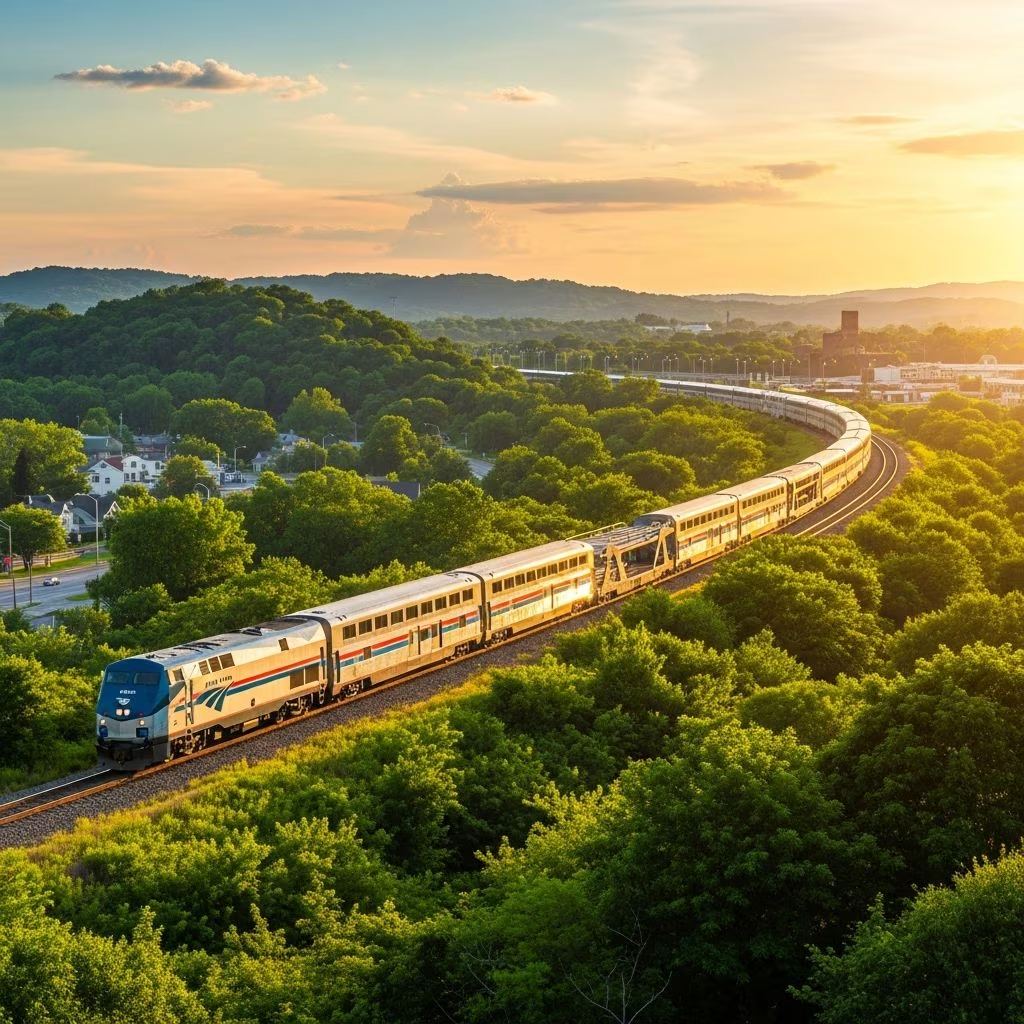
For travelers seeking an alternative to flying or driving the lengthy Florida route, the Amtrak Auto Train represents a distinctive transportation option that combines convenience with a more relaxed travel pace. Unlike traditional rail services, this specialized route allows passengers to bring their vehicles along, eliminating the stress of long-distance driving while still having access to personal transportation upon arrival. Understanding how to navigate this unique service can transform the journey from merely functional to genuinely enjoyable.
The Auto Train serves a niche but meaningful purpose in the American transportation landscape. It connects the Washington DC area (specifically Lorton, Virginia) with central Florida, allowing families, retirees, and relocating professionals to transport themselves and their belongings across 855 miles without the fatigue associated with extended highway driving. The overnight nature of the journey means travelers can sleep through most of the passage, arriving refreshed at their destination rather than exhausted from hours behind the wheel.
The service operates on a schedule that departs in the early evening and arrives the following morning, creating a natural sleep-through-travel pattern that appeals to those seeking to maximize their vacation time or minimize travel-related stress. This approach differs fundamentally from traditional long-distance trains, which prioritize passenger movement over vehicle transport, and from flights, which prohibit bringing cars entirely.
The Auto Train offers several accommodation tiers, each serving different comfort levels and budgets. Understanding these options helps travelers make informed decisions aligned with their priorities and willingness to invest in premium comfort.
Coach seating provides a practical and economical choice for passengers seeking basic comfort without premium pricing. These seats feature reclining mechanisms and substantial legroom comparable to business-class airline seating, with built-in footrests for extended relaxation. The spacious design allows passengers to stretch comfortably during the journey, and the ability to recline significantly enhances rest quality during the overnight passage.
Coach passengers enjoy access to all train amenities, including dining and lounge areas, making this option suitable for social travelers or those who prefer not remaining confined to a single space throughout the journey. However, travelers should note that cabin lighting dims around 9 PM to facilitate sleep, and some passengers find the rail noise and movement more noticeable in coach areas compared to private sleeping accommodations.
Roomettes provide a middle ground between coach and premium accommodations, offering private enclosed spaces with enhanced amenities. These compact cabins feature convertible seating that transforms into beds, private bathrooms, and access to premium dining options. For couples or solo travelers prioritizing privacy and a more hotel-like experience, roomettes deliver meaningful upgrades without the highest price tier.
Typical roomette pricing falls between $565 to $680 for the space itself, with passenger fares additional, making this option accessible to travelers seeking privacy without premium-tier expenses. The private bathroom facilities prove particularly valuable during an overnight journey, eliminating the need to navigate shared facilities in pajamas.
Bedroom suites represent the maximum comfort level, offering substantially larger spaces with enhanced furnishings and amenities. These accommodations suit families traveling together or passengers for whom comfort justifies higher expenses. Multiple passengers can occupy these spaces comfortably, and the larger configuration includes better storage for luggage and personal items.
Total Auto Train expenses encompass multiple components beyond basic tickets, and understanding each element prevents surprise charges and budget overruns.
Priority vehicle off-boarding represents a popular optional service, with costs around $60 per vehicle. This service proves valuable when time constraints exist at the destination—priority passengers receive vehicle access within 30 minutes rather than waiting over one hour. However, only approximately 30 priority passes sell per journey, so early booking becomes essential for those prioritizing this convenience.
Total journey costs for two adults with a roomette accommodation and vehicle transport typically range from $1,120 to $1,240, making this option competitive with flights plus rental car arrangements when factoring in rental car daily fees.
Successful Auto Train travel requires thoughtful packing that balances overnight necessities with spatial constraints inherent to cabin accommodations.
Successful travelers recommend bringing narrow, tall luggage that fits vertical storage spaces rather than large suitcases requiring horizontal placement. Compartmentalizing belongings into smaller bags—one for nighttime items, another for medications and toiletries—simplifies access without unpacking everything. This organization proves particularly valuable in compact roomette configurations where space management directly impacts comfort levels.
The Auto Train provides multiple dining options serving various budgets and dietary preferences. Coach passengers can access café services offering sandwiches, snacks, and beverages at moderate prices, while sleeping car passengers receive access to the full-service dining car featuring prepared hot meals. The dining experience offers an opportunity to leave your cabin, interact with other travelers, and break up the journey’s monotony.
Public spaces throughout the train invite exploration and social interaction. Lounge areas provide comfortable seating, viewing windows, and a social atmosphere where passengers can read, work, or simply observe the passing landscape. These communal spaces prove particularly valuable for families with children or solo travelers seeking social engagement during the journey.
Complimentary Wi-Fi service provides adequate connectivity for email and basic internet browsing, though bandwidth limitations may prevent seamless video streaming. This connectivity allows remote workers to maintain productivity during the journey, though most passengers use this service sparingly, preferring to disconnect and relax. Independent entertainment becomes essential—downloaded content, books, podcasts, or games ensure the 17-hour journey remains engaging.
Check-in procedures require passengers to arrive with vehicles by 3:00 PM, as missed deadlines result in vehicle transport to a later departure. Arriving earlier provides buffer time, reduces stress, and allows exploration of Lorton Station facilities. Understanding parking procedures and vehicle check-in requirements prevents confusion during what can be a busy period.
The 16-18 hour passage includes only one crew-change stop in South Carolina, meaning the train maintains steady progress with minimal delays beyond that single interruption. Overnight passengers can expect smooth riding in most sections, though some track sections produce noticeable motion and vibration. Managing expectations about sleep quality—particularly for light sleepers—prevents disappointment. Many experienced travelers recommend bringing earplugs and sleep masks to enhance rest quality.
Upon arrival in Orlando’s area station, standard off-boarding timelines range from one to 1.5 hours before vehicles become available. Priority off-boarding service accelerates this process significantly, making it a worthwhile consideration for time-sensitive travelers. Vehicle recovery remains organized and efficient despite the high volume of simultaneous departures.
Yes, families can travel successfully on the Auto Train, particularly when booking larger bedroom suites. Children find the train experience novelty-appealing, though managing cabin fever in small spaces requires planning. Bringing entertainment, snacks, and maintaining flexible expectations about sleep schedules contributes to positive family experiences.
The Auto Train offers distinct advantages: bringing personal vehicles, avoiding airport security procedures, and eliminating rental car expenses. Flight times are shorter, but when factoring in airport arrival requirements, security processing, and ground transportation at both ends, total travel time often approaches Auto Train duration. Cost comparisons depend heavily on vehicle necessity and rental car expenses.
First-time travelers often benefit from roomette accommodations, which balance cost and comfort while providing private space without the premium price of bedroom suites. This level allows genuine rest while remaining economically reasonable, helping establish whether future travels warrant premium accommodations.
Standard passenger automobiles fit comfortably, and many SUVs transport successfully. However, vehicles exceeding specific height or length limitations may incur additional fees or face transport challenges. Contacting Amtrak in advance with vehicle specifications ensures compatibility and prevents arrival complications.
The Auto Train serves travelers valuing convenience, vehicle transport, and a more relaxed journey pace over speed and premium amenities. Those relocating to Florida, families seeking alternative travel experiences, and passengers with vehicles requiring transport find exceptional value in this service. Budget-conscious travelers can manage costs through coach accommodations and strategic booking timing, while comfort-prioritizing passengers justify premium cabin investments.
Understanding realistic expectations—acknowledging that 17-hour journeys involve some discomfort, that sleep quality may be impacted by rail movement, and that premium pricing reflects genuine comfort enhancements—allows informed decisions aligned with personal travel values and priorities. For many travelers, the Auto Train experience transforms extended travel from necessary ordeal into genuinely enjoyable journey.
