


 Food & Culture
Food & Culture
Amtrak Dining Cars: History, Menus and Onboard Meals
Explore how trains prepare and serve food today, tracing evolution from station stops to high-end dining cars with regional specialties.
 Food & Culture
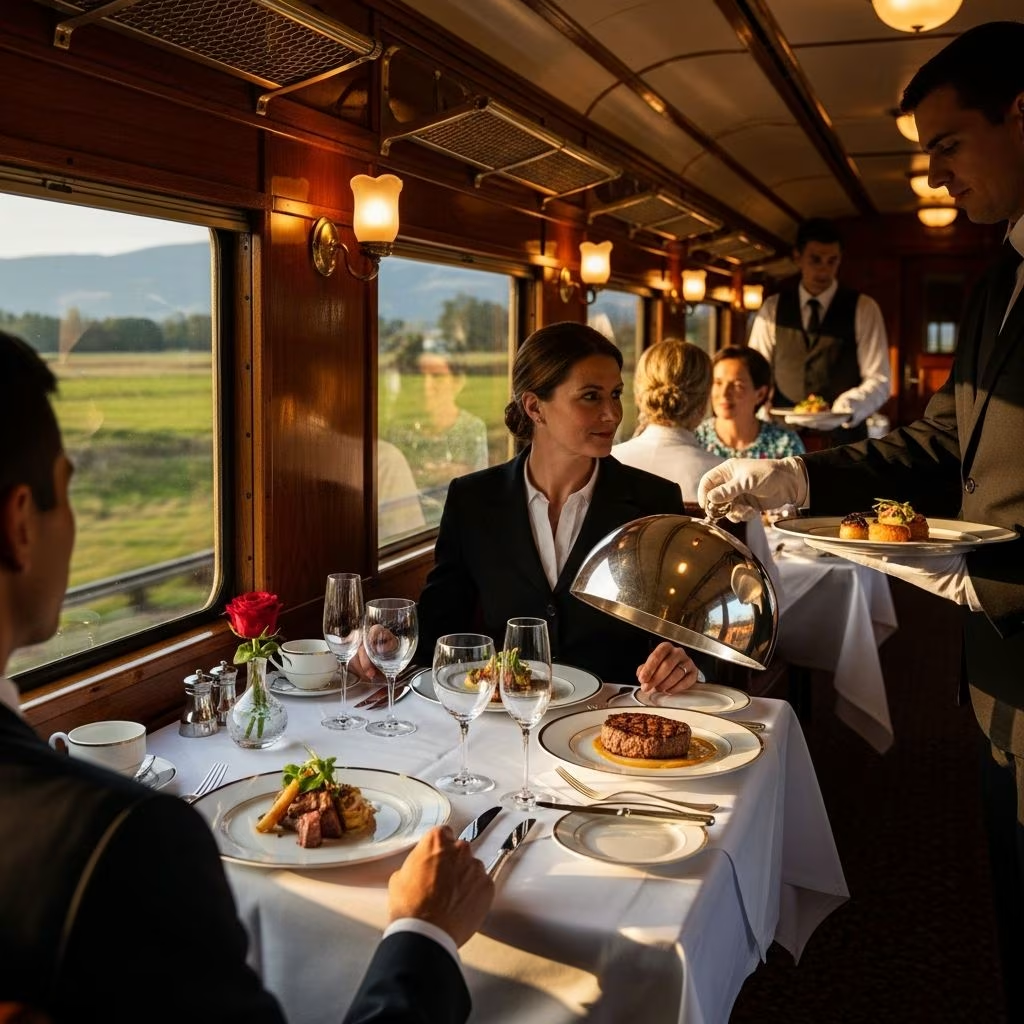
Train travel combines scenic views with culinary experiences that have evolved over centuries. Modern rail services like Amtrak stock trains with thousands of items daily, sourcing from American farms to create regionally inspired dishes prepared in compact onboard galleys.
The Logistics of Feeding Passengers on the Move
Supplying food for millions requires precision. Amtrak procures nearly $50 million in food and beverages annually for 28 million passengers, loading over 45,000 individual items per long-distance train each morning.1 Trucks deliver fresh produce, meats, and desserts from 13 warehouses in cities like Los Angeles to dining cars before departure.
More than 300 Amtrak trains depart daily across the US, each equipped for multiple meals. Warehouses act as hubs, ensuring perishables like 200,000 gallons of fruit juice yearly reach kitchens efficiently.1
- Fresh vegetables and juices loaded at dawn.
- Regional specialties, such as Michigan cucumbers or Maine crab cakes.
- Desserts and dinner items stocked for three daily services.
Historical Roots of Onboard Feasts
In the 1830s, early US passengers relied on rushed station meals or vendor sandwiches. By 1867, the Pullman Car Company introduced the first true dining car with a small kitchen, solving issues like food odors from personal provisions.3
The Chicago and Alton Railroad’s ‘Delmonico’ car, named after a famed New York restaurant, marked a luxury milestone. Regional railroads emphasized local flavors until Amtrak’s 1971 nationalization unified services.2
| Era | Food Practices | Key Example |
|---|---|---|
| 1830s-1860s | Station stops, onboard vendors | Hurried meals, personal food |
| 1867 onward | Dining cars with kitchens | Pullman dining car |
| 1920s-1930s | Regional specialties, vitamin trends | Baltimore & Ohio seafood, yeast drinks |
Baltimore and Ohio menus from 1921-1932 featured Chesapeake Bay clams, shad, and crab, paired with Deer Park spring water. Yeast, rich in B vitamins, appeared dissolved in milk or on crackers amid rising nutrition awareness.2
Inside the Moving Kitchen: Culinary Challenges
Onboard galleys are compact yet produce hundreds of gourmet meals three times daily amid motion. Chefs, assistants, waiters, and stewards collaborate in tight spaces originally designed for smaller crews.3
Historical menus included staples like Welsh rarebit, prunes, Virginia ham, and massive Northern Pacific baked potatoes (2-5 pounds). Today’s Amtrak kitchens adapt these traditions with modern twists.3
- Staff: Chef, 2-3 assistants, 4-6 waiters, steward.
- Challenges: Rocking train, limited space, high volume.
- Output: Breakfast, lunch, dinner for all passengers.
Regional Flavors on Iconic Routes
Amtrak highlights American agriculture. On the Starlight route from Los Angeles to Seattle, diners enjoy Washington salmon, Oregon-California cheeses, and local lettuce.1 Heartland routes feature farm-fresh items, connecting passengers to regional bounty.
These menus celebrate US producers: Maine crab cakes, Michigan cucumbers, supporting local economies while offering variety.1
Contemporary Menu Highlights and Innovations
Amtrak’s redesigned menus feature chef-prepared options like Signature Steak, Railroad French Toast, and Grilled Atlantic Salmon. Traditional Dining provides full-service meals; Flexible Dining and Café options suit varied needs.
Passengers can bring personal food to seats or sleeping cars. Special diets are accommodated: vegan meals standard, kosher with 72-hour notice for overnights or 24-hour for Acela First Class.4
| Dining Type | Features | Examples |
|---|---|---|
| Traditional | Full meals, table service | Steak, salmon |
| Flexible | Select trains, varied times | French toast, snacks |
| Café | Quick bites, self-service | Beverages, sandwiches |
Dietary Accommodations and Passenger Tips
Inclusivity is key. Advance notice ensures kosher or vegan options on select trains. Water quality was historically emphasized, a practice continuing today.2
- Notify origin station early for restrictions.
- BYO food allowed in seats/private areas.
- Check menus for regional, seasonal items.
From Past to Present: Evolution of Rail Gastronomy
Dining cars boosted rail appeal despite not always profiting directly; they enhanced passenger comfort and revenue indirectly.3 Amtrak upholds this, blending history with innovation for scenic journeys paired with quality eats.
Long-distance trips offer unmatched views alongside meals using farm-to-table principles on wheels. Future enhancements may include more sustainable sourcing.
Frequently Asked Questions
Can I bring my own food on Amtrak?
Yes, personal food and non-alcoholic beverages are permitted in seats or private accommodations.4
What special diets does Amtrak offer?
Vegan meals on select trains; kosher requires 72-hour notice for overnights, 24-hour for Acela.4
How much food does Amtrak load per train?
Over 45,000 items for long-distance services.1
Are dining cars available on all trains?
Primarily long-distance; shorter routes have café cars.4
What’s a historical rail food staple?
Prunes, Welsh rarebit, and large baked potatoes featured prominently.3
References
- Heartland Food Prepared and Served on Amtrak — YouTube (America’s Heartland). 2010. https://www.youtube.com/watch?v=r9GEKalLOTc
- The Introduction of the Railroad Dining Car — New-York Historical Society. 2023-10-12. https://www.nyhistory.org/blogs/dining-in-transit-the-introduction-of-the-railroad
- A History of Railroad Dining Cars — YouTube (NC Learn at Home). 2020. https://www.youtube.com/watch?v=d2c83p0I_eo
- Everything You Need to Know About Onboard Dining During Your Amtrak Vacation — Amtrak Vacations. 2024. https://www.amtrakvacations.com/blog/everything-need-know-onboard-dining-during-amtrak-vacation
On This Page
The Logistics of Feeding Passengers on the Move Historical Roots of Onboard Feasts Inside the Moving Kitchen: Culinary Challenges Regional Flavors on Iconic Routes Contemporary Menu Highlights and Innovations Dietary Accommodations and Passenger Tips From Past to Present: Evolution of Rail Gastronomy Frequently Asked Questions← Previous
Best Time to Visit Jamaica: Seasons, Weather & Events
Next →
How to Leave a Hotel Room at Checkout: Etiquette Checklist
Related Reading
More in Food & Culture
Food & Culture Food & Culture
 Food & Culture
Best Places to Eat in Rome: Neighborhood Dining Guide
 Food & Culture
 Food & Culture