

 Travel Essentials
 Travel Essentials

Complete guide to exploring the Andaman Islands featuring water sports, historical sites, island hopping, and marine ecosystems.
 Travel Essentials
Nestled in the Bay of Bengal, the Andaman Islands represent one of India’s most captivating tropical destinations. This archipelago comprises approximately 1,200 islands, though only 36 remain inhabited, creating vast opportunities for exploration and discovery. The islands offer an extraordinary blend of natural beauty, historical significance, and thrilling adventure activities that attract travelers seeking both relaxation and excitement. Whether you’re drawn to pristine beaches, diverse marine ecosystems, or cultural heritage sites, the Andaman Islands deliver unforgettable experiences that cater to every traveler’s preferences.
The Andaman Islands form part of India’s Union Territory and span across the northeastern Indian Ocean. The archipelago’s geography includes volcanic formations, dense mangrove forests, and some of the world’s most unspoiled marine environments. The main population centers include Port Blair, the capital, along with accessible islands such as Havelock (Swaraj Dweep), Neil Island (Shaheed Dweep), and numerous smaller islands. The region’s climate remains tropical throughout the year, with distinct monsoon seasons influencing travel patterns and activity availability.
The Andaman Islands boast numerous beaches, each with distinctive characteristics and appeal. While many visitors flock to popular spots, discovering lesser-known beaches provides more intimate connections with the landscape. Wandoor Beach stands out as a primary destination, featuring a long white-sand shoreline framed by dense forest vegetation rather than typical palm trees. The beach’s unique ecosystem hosts abundant birdlife, and visitors can explore adjacent islets within the Mahatma Gandhi National Marine Park.
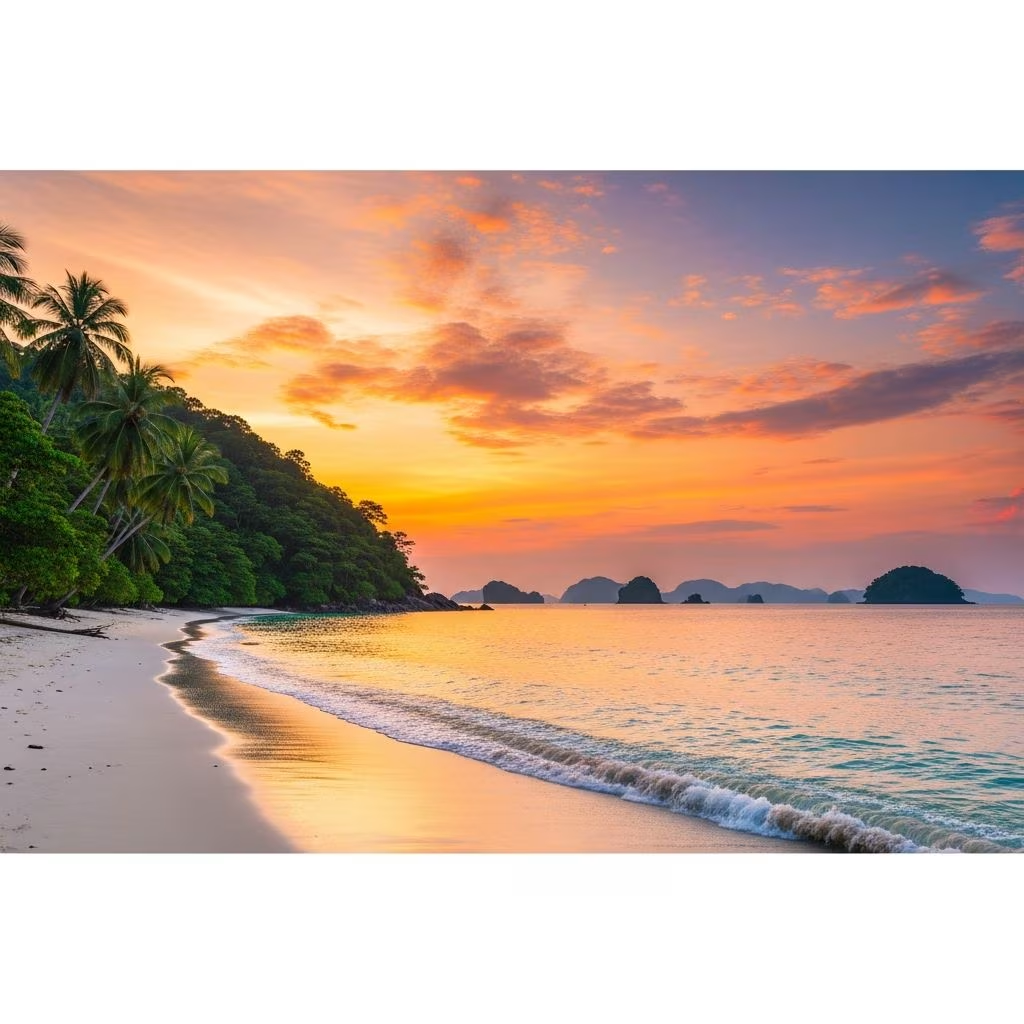
Corbyn’s Cove near Port Blair offers accessibility combined with scenic beauty, making it ideal for travelers based in the capital. The beach provides calm waters suitable for swimming and serves as a launching point for various water-based activities. Radhanagar Beach on Havelock Island represents another remarkable destination, famous for spectacular sunset views that create magical lighting conditions for photography enthusiasts.
Beach activities extend beyond passive sunbathing. Many beaches feature designated zones for snorkeling, allowing visitors to observe coral formations and marine life without venturing far from shore. The islands maintain relatively uncrowded beaches despite their popularity, enabling visitors to discover private spots for relaxation and contemplation.
One of the Andaman Islands’ most distinctive natural features involves extensive mangrove forests that thrive along coastal areas. Guided kayaking tours through these waterways provide extraordinary opportunities to experience these ecosystems firsthand. Flat Bay, located west of Port Blair’s central area, offers particularly serene paddling conditions where visitors navigate between mangrove roots and sandbanks while listening to native birdsong.
A typical 90-minute kayaking excursion immerses paddlers in the forest’s tranquility, creating nearly meditative experiences for participants. Some tours include interactive elements such as collecting floating seed pods to replant in the mangrove forest, allowing visitors to contribute directly to environmental conservation. Advanced kayakers can arrange evening expeditions to witness bioluminescence created by neon-blue plankton illuminating the water’s surface, transforming the experience into something otherworldly.
These paddling adventures require no prior experience, making them accessible to travelers of varying skill levels. Local guides provide instruction, ensure safety, and share ecological knowledge about mangrove ecosystems and their importance to marine biodiversity.
The Andaman Islands rank among the world’s premier diving destinations, featuring unspoiled marine environments with exceptional biodiversity. An estimated 750 fish species inhabit individual reefs alone, alongside manta rays, reef sharks, loggerhead turtles, and numerous coral varieties. Many species exist nowhere else on Earth, representing unique evolutionary developments within isolated ecosystems.
Chidiya Tapu, located approximately 25 kilometers south of Port Blair, serves as a gateway to the region’s diving scene. Multiple dive centers operate from this locale, organizing expeditions to renowned sites including Corruption Rock and historical dive locations such as World War II-era shipwrecks. Reputable operators prioritize safety and environmental stewardship while providing memorable underwater encounters.
Snorkeling experiences don’t require specialized certification or extensive training, making them accessible to broader audiences. Jolly Buoy Island, part of the Mahatma Gandhi National Park, ranks among the premier snorkeling destinations, offering pristine waters and extraordinary coral diversity. Visitors encounter vibrant red, blue, and sponge corals, many displaying color-changing properties. Starfish, anemones, and countless fish species populate these underwater gardens.
Most beaches accommodate snorkeling activities, with equipment rentals readily available. However, tide conditions significantly impact snorkeling quality, with high tide offering superior visibility and coral protection. Professional guides often recommend specific timing to optimize the experience and minimize environmental damage.
Beyond snorkeling and diving, the islands offer comprehensive water sports portfolios catering to adventure enthusiasts. Banana boat rides provide thrilling experiences as motorized speedboats tow passengers across the waves. Parasailing combines aerial perspectives with adrenaline-pumping descents, offering panoramic island views from elevated vantage points. Jet skiing appeals to visitors seeking high-speed water adventures, while glass-bottom boat rides allow observation of marine life without entering the water.
Underwater walking represents one of the region’s most distinctive activities, particularly available at North Bay Island and Havelock Island. Participants don specially designed helmets permitting normal respiration while walking along the seafloor. Professional divers accompany walkers, providing fish food and ensuring safety. This experience brings visitors face-to-face with corals, sea anemones, and colorful fish species, creating intimate encounters with marine ecosystems impossible to achieve through snorkeling alone.
Dolphin watching tours operate from various beach locations, offering opportunities to observe these intelligent marine mammals in their natural habitat. Morning and evening expeditions typically yield the best sightings, as dolphins actively hunt during these periods.
The Andaman Islands possess rich historical narratives extending from colonial periods through India’s independence movement. Port Blair’s Cellular Jail stands as the archipelago’s most significant historical monument, representing a crucial chapter in India’s freedom struggle. The jail complex features a light and sound show that educates visitors about the prison’s history and the revolutionaries imprisoned there.
Beyond the Cellular Jail, Port Blair houses several museums offering insights into regional history and natural heritage. The Anthropological Museum portrays the indigenous tribes of the Andaman Islands, including the Negrito populations, Jarawas, Sentinels, and Onges, providing cultural context for understanding the islands’ original inhabitants. The Samudrika Marine Museum, operated by the Indian Navy, displays biodiversity specimens and educates visitors about the region’s marine ecosystems.
Ross Island, accessible via day trips from Port Blair, features remnants of colonial-era structures, naval installations, and cemeteries that document the islands’ complex history. Walking these ruins while observing the landscape’s gradual reclamation by nature creates powerful reflections on historical changes and environmental resilience.
Exploring multiple islands provides comprehensive perspectives on the archipelago’s diversity. Havelock Island (Swaraj Dweep) has emerged as a popular destination combining beach relaxation with adventure activities. Neil Island (Shaheed Dweep) offers distinct character, featuring unique limestone rock formations accessible via beach walks. The natural bridges on Lakshmanpur Beach present dramatic geological formations adorned with lush vegetation reminiscent of prehistoric landscapes.
Ferry connections link major islands, though scheduling and tide conditions affect accessibility and travel times. Planning island-hopping itineraries requires coordination with local transport operators and consideration of seasonal weather patterns. Day trips prove feasible for nearby islands, while overnight stays enable deeper exploration of more distant destinations.
Diglipur, located in North Andaman, provides access to Ross and Smith Islands, connected by an idyllic tropical sandbar appearing at low tide. A 25-minute speedboat journey from Arial Bay Jetty reaches these islands, where snorkeling opportunities and pristine beaches reward visitors. The sandbar itself represents a dynamic geological feature constantly shaped by tidal and weather patterns.
The Andaman Islands’ coral reef systems represent irreplaceable natural treasures dating from the last glacial period. These ancient formations transformed as melting ice raised sea levels, flooding continental shelves and creating the marine landscape existing today. Contemporary coral ecosystems support extraordinarily diverse life, with thousands of interdependent species occupying specific ecological niches.
Access to certain islands and reef areas rotates seasonally, with specific locations closed periodically to permit ecosystem recovery. Visitors should confirm accessibility before planning expeditions and respect restricted areas. Responsible snorkeling and diving practices—including avoiding touching corals, not standing on reef formations, and maintaining appropriate distance from marine life—directly contribute to ecosystem preservation.
Visiting Jolly Buoy Island or Red Skin Island provides excellent coral reef viewing opportunities while supporting conservation efforts through managed tourism. These protected marine parks balance visitor access with environmental stewardship, allowing controlled exploration while maintaining ecosystem integrity.
| Aspect | Details |
|---|---|
| Best Season | October to May (moderate weather, stable conditions) |
| Main Transportation Hub | Port Blair (airport and ferry connections) |
| Primary Activities | Water sports, snorkeling, diving, island hopping, cultural sites |
| Key Islands | Havelock, Neil, Ross, Jolly Buoy, Diglipur |
| Duration Recommendation | 7-10 days for comprehensive experience |
Water activities require basic preparations and awareness. Most water sports accommodate non-swimmers, though comfort in water significantly enhances enjoyment. Professional operators provide equipment, instruction, and safety protocols for all activities. Bringing appropriate sun protection—including reef-safe sunscreen, rash guards, and hats—prevents sunburn and protects marine ecosystems from chemical damage.
Physical fitness varies in importance depending on chosen activities. Snorkeling demands minimal fitness, while diving and kayaking require moderate endurance. Participants should disclose health conditions to operators, ensuring appropriate activity recommendations. Travel insurance covering water sports and evacuation protection provides essential security for tropical island adventures.
The Andaman Islands’ coastal setting produces exceptional seafood cuisines reflecting local traditions and available catches. Fresh fish, crustaceans, and mollusks feature prominently in regional restaurants. Many beachside establishments offer dining experiences combining culinary excellence with ocean vistas, creating memorable meal settings. Food lovers can explore local markets, sampling regional specialties and understanding traditional preparation methods.
Snorkeling requires no certification and remains accessible to all fitness levels. Scuba diving requires certification or supervised instruction through recognized agencies. Many dive centers offer introductory courses and guided dives for uncertified participants.
October through May offers optimal conditions with moderate weather and stable sea states. The monsoon season (June-September) brings heavy rainfall and rough seas, limiting certain activities and affecting accessibility to remote islands.
Many water activities accommodate non-swimmers, including underwater walking, glass-bottom boat rides, and some snorkeling experiences. Professional operators prioritize safety and provide appropriate instruction and equipment modifications for varying swimming abilities.
A 7-10 day itinerary permits comprehensive exploration of major islands and participation in diverse activities. Shorter visits concentrate on primary destinations near Port Blair, while extended stays enable deeper exploration of remote islands and niche experiences.
While the islands attract increased visitors during optimal months, beaches remain relatively uncrowded compared to mainland Indian destinations. Exploring beyond primary tourist zones yields even quieter, more intimate beach experiences.
The Andaman Islands offer transformative travel experiences combining natural beauty, adventure, history, and cultural immersion. Whether seeking adrenaline-fueled water sports, meditative mangrove paddling, or historical exploration, the archipelago accommodates diverse preferences and travel styles. Responsible tourism practices ensure these extraordinary ecosystems remain pristine for future generations while enabling contemporary visitors to forge meaningful connections with this remarkable destination. Planning thoughtfully, respecting environmental guidelines, and remaining open to unexpected discoveries transforms an Andaman Islands visit into a life-changing adventure.
