

 Travel Essentials
 Travel Essentials

Explore Anguilla's deep cultural legacy, including indigenous origins, colonial past, music, festivals, crafts, and key sites preserving its unique identity.
 Travel Essentials
Anguilla, a slender Caribbean gem, boasts a captivating tapestry of history and traditions shaped by millennia of human presence, colonial encounters, and resilient local spirit. From prehistoric Arawak settlements to vibrant contemporary festivals, the island’s cultural narrative offers travelers profound insights into its enduring identity.
The story of Anguilla begins over 4,000 years ago when Amerindian peoples, primarily the Arawak and Taino, navigated from South America in dugout canoes to claim this eel-shaped paradise, naming it Malliouhana for its serpentine form. These early inhabitants established around 40 villages, thriving as fisher-planters who cultivated cassava, cotton, and tobacco while relying heavily on marine resources for sustenance, as no large land animals existed on the island.
Archaeological evidence reveals a sophisticated society. Sites across Anguilla feature large settlements, pottery identical to neighboring St. Martin, and ceremonial artifacts like zemis—three-pointed stone idols dedicated to Yócahu, the deity of cassava and the sea. Petroglyphs etched into cave walls and stalagmite carvings at Fountain Cavern National Park depict spiritual symbols, including representations of Jocahu, underscoring the island’s role as a regional ceremonial hub. Anguilla’s Amerindian sites are notably expansive for such a small landmass, suggesting it was a key node in trade networks exporting high-status items like greenstone axes and shell-adorned wooden idols.
Population growth peaked during the post-Saladoid period (AD 600/800–1500), with new villages sprouting on nearby Dog Island and St. Barts, facilitated by sea highways rather than barriers. Decline came in the 15th century due to environmental pressures and external arrivals, but remnants like shell masks and snuff tubes endure, offering glimpses into chiefly authority and daily rituals.
European contact transformed Anguilla dramatically. Christopher Columbus may have sighted it in 1493, dubbing it after the Italian for ‘eel’ due to its shape, though permanent settlement waited until British colonists arrived in 1650, establishing salt ponds and modest plantations. French rivalries ensued, but Britain solidified control, introducing African enslaved labor despite the island’s thin soil limiting sugar profitability.
Unlike lush neighbors, Anguilla’s poor soil and scant rainfall curbed large-scale plantations, fostering smaller farms and sparing intense racial divides post-emancipation in the 1830s. Freed people acquired lands abandoned by departing planters, evolving into independent smallholders, sailors, and fisherfolk—a society marked by personal autonomy. The 19th and early 20th centuries saw mass migration to Dominican Republic salt works and Britain for work, as limited resources pushed Anguillians seaward.
The 1967 Revolution marked a pivotal stand against St. Kitts-Nevis association, with locals barricading roads and expelling federated police to demand separation and direct British rule, cementing modern autonomy. Today, this history underscores Anguilla’s British-Caribbean fusion, evident in governance and traditions.
Music pulses at Anguilla’s heart, blending African rhythms, Caribbean flair, and British undertones into genres like calypso, soca, reggae, and folk. Steelpan drums, fiddles, and boom drums animate gatherings, with home-based ‘tea meetings’—impromptu dances in backyards—embodying communal joy.
Events like the Anguilla Summer Festival amplify these sounds, drawing locals and visitors into rhythmic reverie.
Anguilla’s calendar bursts with events honoring heritage. Anguilla Day (May 30) commemorates the 1967 Revolution with boat races, beauty pageants, and feasts, symbolizing seafaring prowess and emancipation.
| Festival | Date | Highlights |
|---|---|---|
| Anguilla Day | May 30 | Revolution reenactments, yacht races, family picnics. |
| Summer Carnival | August | Costumed parades, calypso competitions, beach parties. |
| Moonsplash | April | Live reggae, rock fusion on Rendezvous Bay. |
Carnival dazzles with vibrant costumes, soca monarch contests, and J’ouvert street processions, while Christmas ‘shoal’ bands with cow horns and goat skin drums evoke African roots. These gatherings foster ‘belonger’ pride—deep-rooted community ties.
Anguillan cuisine mirrors its history: fresh seafood, cassava derivatives, and salt-cured meats from Arawak and African influences, tempered by British pies. Staples include johnny cakes, goat water stew (spiced with rum and cloves), and lobster grilled beachside.
Rum shops serve bush tea and homemade maubi, fermented bark drinks, blending herbal wisdom with social hubs.
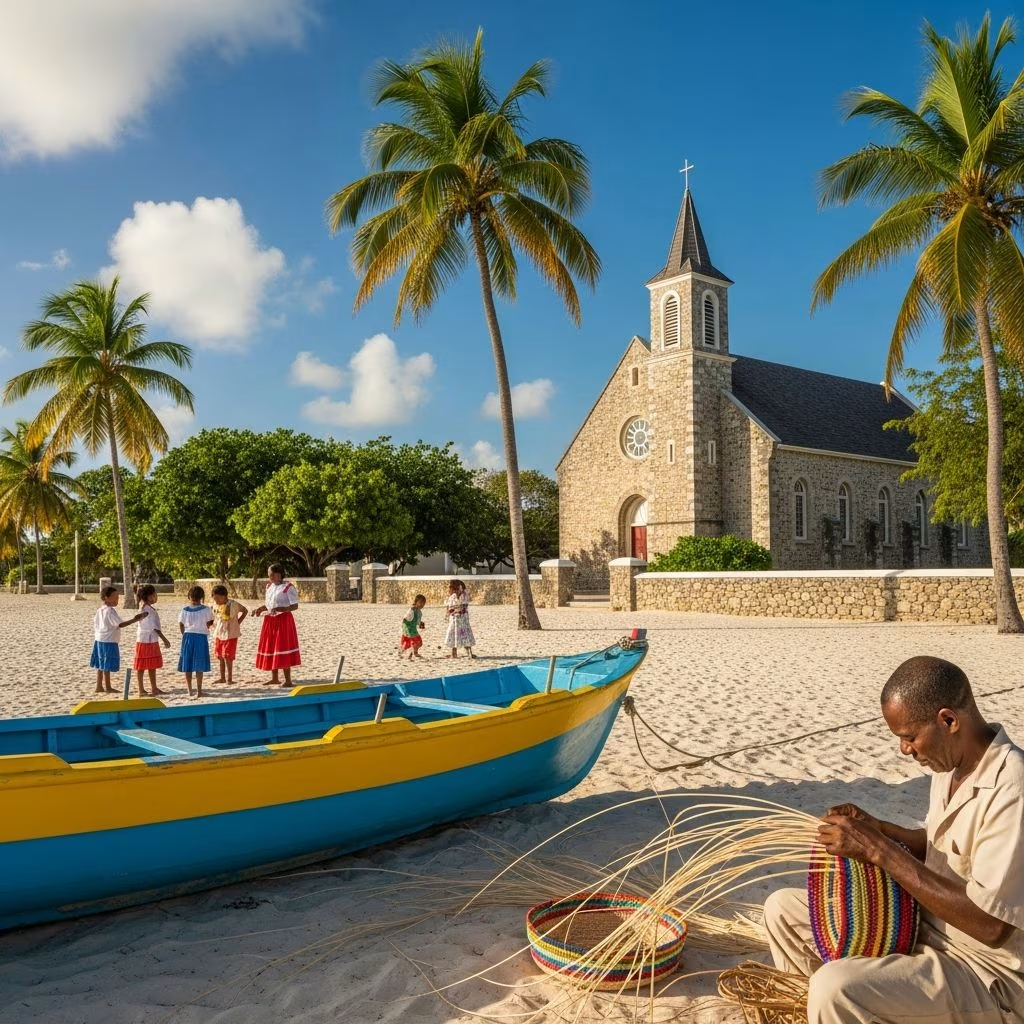
Local artisans channel heritage into basketry from thatch palms, wood carvings of wildlife, and pottery echoing Saladoid designs. Contemporary painters capture turquoise bays and petroglyph motifs, while sculptures honor revolutionaries.
The Anguilla Heritage Museum in Island Harbour displays artifacts from Arawak villages to Revolution relics, chronicling slavery, migration, and salt pond labor. The National Trust safeguards sites like Big Springs petroglyphs and Wallblake Plantation (1787), offering guided tours of 1,000-year-old carvings and historic homes.
Anguilla’s culture thrives quietly: roadside barbecues, string band serenades, and storytelling ‘yard limes.’ British formality meets Caribbean warmth in cricket matches and high tea with a twist. Tourism respects this balance, with eco-lodges supporting crafts.
For immersion:
From Italian ‘anguilla’ (eel), noting its shape, though Arawaks called it Malliouhana (sea serpent).
May for Anguilla Day, August for Carnival—peak vibrancy.
Yes, Anguilla National Trust offers petroglyph and plantation visits.
Calypso, soca, folk with steelpans and drums, rooted in African-Caribbean fusion.
Land access created independent small farms, averting plantation dependencies.
