

 Travel Essentials
 Travel Essentials

Your complete guide to Anguilla covering beaches, dining, activities, best times to visit, and insider tips for an unforgettable Caribbean vacation.
 Travel Essentials
Nestled in the northeastern Caribbean, Anguilla represents one of the region’s most tranquil and underrated destinations. This British Overseas Territory has cultivated a reputation as an exclusive retreat for travelers seeking sophistication without pretense, offering world-class amenities alongside genuine hospitality. The island’s commitment to preserving its natural landscape and cultural identity makes it increasingly attractive to discerning visitors looking for authenticity in their tropical escape.
Anguilla occupies a distinctive position in the Caribbean archipelago, located just seven miles from St. Martin and accessible via a brief 20-minute ferry journey. The island’s geography is characterized by a predominantly flat terrain of limestone and coral formations, creating a landscape that differs markedly from the mountainous islands nearby. This geological makeup has shaped Anguilla’s development patterns, keeping infrastructure scaled to preserve the island’s intimate character.
The Valley serves as the administrative hub and cultural heart of Anguilla, concentrating the island’s commercial and governmental functions while maintaining a relaxed Caribbean atmosphere. Despite being a British territory, Anguilla has developed a uniquely blended cultural identity that incorporates British administrative traditions with deeply rooted Caribbean values and customs. This fusion extends to practical matters such as driving conventions, as visitors must remember that traffic flows on the left side of the road, following the British standard.
Selecting the appropriate season significantly impacts your Anguilla experience, as the island experiences distinct climate variations throughout the year. The winter months, spanning December through March, represent peak season for international visitors. During this period, temperatures remain comfortable—typically in the mid-70s to low-80s Fahrenheit—while humidity levels drop considerably. The skies achieve that brilliant clarity Caribbean postcards promise, and the social scene reaches its zenith with enhanced cultural programming and elevated restaurant offerings.
The shoulder seasons, bookending the peak period, offer compelling advantages for budget-conscious travelers and those preferring smaller crowds. April through May and November showcase pleasant weather patterns with occasional afternoon showers, yet accommodation costs decline noticeably. The summer months bring increased humidity and tropical warmth, though the waters remain inviting for aquatic pursuits. Hurricane season considerations, typically spanning June through November, should factor into planning calculations for risk-averse travelers, though modern forecasting and building standards significantly mitigate historical concerns.
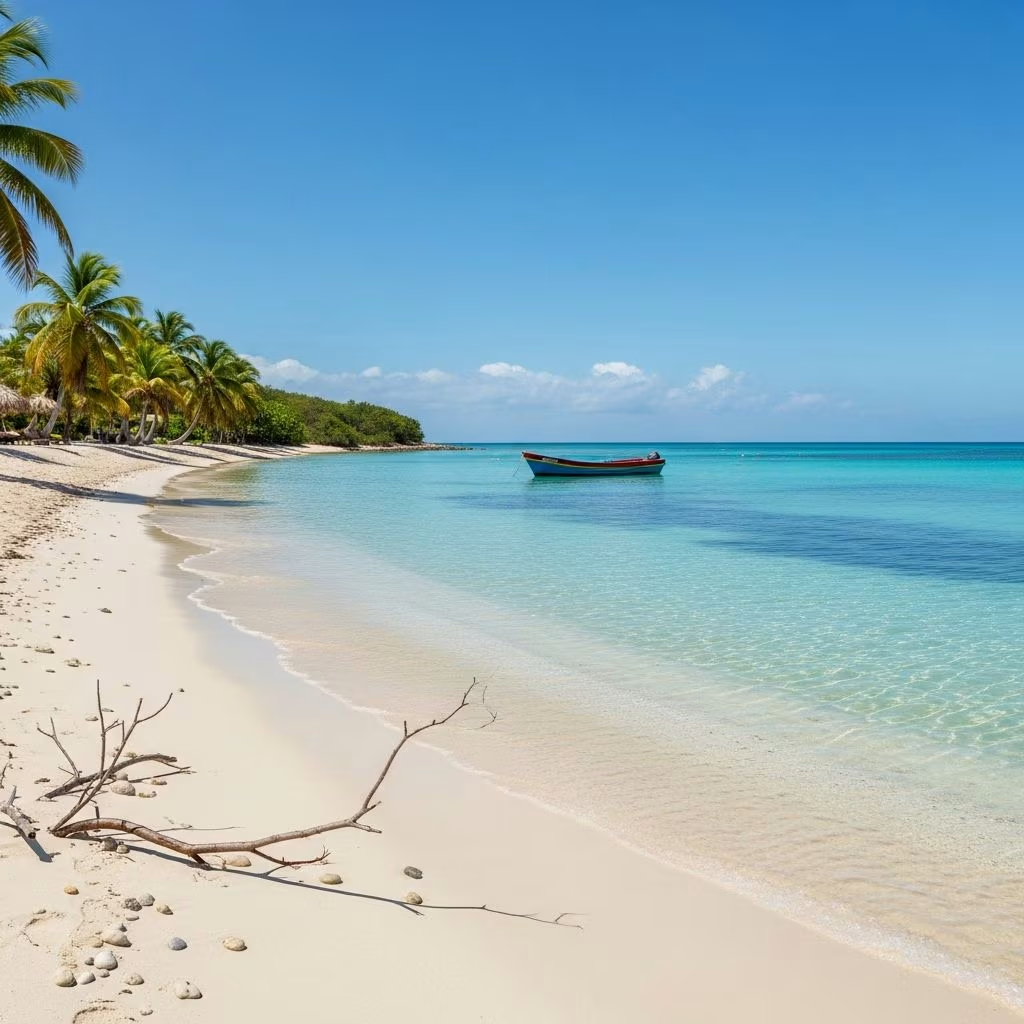
Anguilla’s primary distinction within Caribbean tourism derives from its extraordinary collection of pristine beaches, numbering more than three dozen accessible locations. These sandy stretches feature the characteristic white sand and turquoise waters that define tropical paradise imagery, yet each possesses distinct characteristics worth exploring.
The beaches surrounding Sandy Ground attract visitors seeking vibrant social atmospheres, featuring beachfront bars and water sports facilities. This area has evolved into a beach community hub where sunset celebrations attract both locals and tourists. The clear shallow waters make this location particularly suitable for families and less experienced swimmers.
Beyond the main beach clusters, cays and smaller islands accessible by boat provide intimate experiences for those seeking solitude. Sandy Island, located just offshore from Sandy Ground and requiring only a $10 ferry journey, offers the quintessential Robinson Crusoe experience. The exceptional water clarity at this location allows visitors to observe marine life while lounging in the shallows.
Rendezvous Bay presents a striking contrast to more developed beach areas, offering extended stretches of largely undeveloped coastline. Hiking opportunities to nearby vantage points provide panoramic perspectives of the surrounding seascape and neighboring islands.
Anguilla has cultivated an impressive gastronomic reputation that extends beyond typical resort offerings. The island’s dining scene reflects both international sophistication and Caribbean authenticity, with restaurants ranging from beachfront casual establishments to fine dining venues. Fresh seafood plays a central role in local cuisine, with daily catches featuring prominently on menus throughout the island.
Beach bar dining has become a signature Anguilla experience, combining casual atmospheres with oceanfront settings. Establishments along Sandy Ground exemplify this tradition, offering everything from lunch fare to evening entertainment. The social dimension of dining in Anguilla often proves equally important as culinary excellence—restaurants serve as gathering points where visitors and locals intermingle.
For travelers prioritizing budget considerations, dining at local establishments frequented by residents typically offers superior value compared to tourist-oriented venues. Market visits and food stalls provide authentic flavors and reasonable pricing for those comfortable venturing beyond formal restaurant settings.
The surrounding waters define much of Anguilla’s recreational landscape. Snorkeling opportunities rank among the Caribbean’s finest, with accessible coral formations hosting diverse marine ecosystems. The crystal-clear visibility often exceeds 100 feet, enabling observers to appreciate underwater environments even without advanced diving certifications.
Yacht charters and private boat experiences cater to various preferences and budgets. Sunset sailing excursions have become iconic Anguilla activities, combining relaxation with photographic opportunities. Tradition Sailing and similar operators offer well-established itineraries that balance adventure with comfort.
For visitors seeking more active water engagement, diving clubs operate from multiple locations, offering both guided dives and certification courses. The island’s reef systems support healthy coral and fish populations, making these experiences educationally enriching alongside being entertaining.
Exploring nearby islands via boat adds dimensional variety to water-based exploration. Day trips to St. Maarten or St. Barts are feasible for those desiring regional island hopping, positioned conveniently across relatively brief crossings.
While beaches dominate Anguilla’s tourism narrative, supplementary attractions enrich longer stays. Anguilla Arch, a natural limestone formation on the island’s western coast, represents a geological feature worthy of exploration. This natural wonder carved into the cliffs provides an alternative activity for those seeking diversity beyond sun and sand.
Cultural festivals occur throughout the year, offering insights into local traditions and contemporary Caribbean society. These celebrations often feature live music, traditional cuisine, and authentic community participation rather than being exclusively tailored to visitor consumption.
Hiking opportunities, particularly around Rendezvous Peak, provide cardiovascular activity combined with elevated perspectives of the surrounding landscape. These pursuits appeal to visitors seeking engagement beyond passive beach lounging.
Navigating Anguilla requires consideration of several transportation options, each with distinct advantages and limitations. Taxis operate throughout the island but tend toward premium pricing, making them suitable for occasional journeys rather than primary transportation. Car rentals, typically available at $45 daily rates, offer flexibility and cost efficiency for visitors comfortable driving on the left-hand side of the road.
The island’s compact size means no location remains extremely distant from any other, reducing the travel time penalty for choosing distributed accommodations. However, distributed development means walking between destinations often proves impractical, necessitating some form of motorized transportation for most visitors.
Ferry services connect Anguilla to neighboring islands, particularly St. Martin, enabling day trip possibilities for those curious about regional exploration. Regular schedules and reasonable fares make these connections convenient options for varied activities.
Anguilla’s accommodation landscape accommodates diverse budgets despite its luxury reputation. Contrary to assumptions that the island accommodates only ultra-wealthy travelers, budget options exist for those prioritizing experiences over accommodation extravagance. Guesthouses and smaller properties operate throughout the island, offering reasonable rates particularly during shoulder and low seasons.
Mid-range resorts and villa rentals provide comfortable environments without maximum-luxury pricing. These establishments often position themselves near beaches while maintaining independence from sprawling resort complexes, appealing to travelers valuing authenticity alongside reasonable comfort.
Luxury accommodations certainly exist and cater to guests seeking premium experiences, though these properties remain selective in accepting reservations. Many luxury establishments prioritize personalized service and exclusive amenities over size, maintaining Anguilla’s overall character.
| Category | Essential Items | Additional Considerations |
|---|---|---|
| Clothing | Lightweight, breathable fabrics; swimwear; casual evening wear | Light layers for air-conditioned venues; sun hat |
| Sun Protection | High-SPF sunscreen; reef-safe formulations preferred | Lip balm with SPF; sunglasses with UV protection |
| Water Activities | Snorkel equipment optional; water shoes | Underwater camera; beach bag |
| Documentation | Valid passport; travel insurance recommended | Copies of important documents |
Traveling to Anguilla need not require maximum-tier financial resources despite its upscale reputation. Strategic planning enables substantial cost reductions without compromising experience quality. Visiting during shoulder seasons yields immediate accommodation savings of 20-40% compared to peak period rates, while weather typically remains favorable.
Dining at establishments patronized by locals rather than tourist-focused restaurants produces significant savings. Market visits and prepared food purchases further reduce meal expenses while providing authentic cultural engagement. Many beaches offer complimentary access, requiring only modest expenditures for refreshments if desired.
Car rentals prove more economical than consistent taxi usage for multi-day stays, particularly for travelers comfortable with left-side driving. This option enables flexible scheduling and exploration of less-developed areas without premium transportation costs.
Visitors from most countries require valid passports for entry to Anguilla. Many nationalities receive automatic visitor visas upon arrival, typically valid for periods ranging from 30 to 90 days depending on citizenship. Travelers should verify specific requirements based on nationality before departure.
While Anguilla sits within the Atlantic hurricane belt, direct major hurricane strikes remain relatively infrequent compared to other Caribbean locations. Modern construction standards require hurricane-resistant design, and comprehensive warning systems provide adequate advance notice for evacuations if necessary. Travel insurance remains advisable for hurricane season visits, though statistical risk levels remain comparatively modest.
Three to five days provides adequate time for beach relaxation combined with activity exploration and dining experiences. Longer stays enable more thorough island exploration and deeper cultural engagement without rushed schedules creating stress.
The Eastern Caribbean Dollar (EC$) represents the official currency, though US dollars achieve widespread acceptance throughout the island. Exchange rates remain relatively stable, with modest variations by establishment.
Peak season visits absolutely require advance accommodations reservations, as availability diminishes considerably during December through March. Shoulder and low seasons offer greater spontaneity options, though popular establishments benefit from advance notice. Dining reservations at well-regarded restaurants ensure table availability, particularly for evening service during busier periods.
Anguilla occupies a distinctive position within Caribbean tourism as a destination that has successfully maintained authentic character while developing sophisticated services. The island appeals to travelers valuing understated elegance over flashy resorts, pristine environments over developed infrastructure, and genuine cultural connection over manufactured tourism experiences.
Whether visiting for pure relaxation, adventure pursuits, cultural exploration, or gastronomic indulgence, Anguilla accommodates diverse travel styles within a compact, easily navigable geography. The island’s commitment to preservation ensures contemporary travelers experience similar landscapes and cultural authenticity as previous generations, distinguishing it from increasingly commercialized Caribbean alternatives.
Strategic planning enables visitors across economic spectrums to access Anguilla’s distinctive offerings, while flexibility regarding timing optimizes value without sacrificing experience quality. The combination of natural beauty, hospitality, culinary excellence, and cultural authenticity positions Anguilla as a compelling choice for those seeking Caribbean experiences that transcend stereotypical resort tourism.
