

 Travel Essentials
 Travel Essentials

Explore exotic aphrodisiacs from around the world, from maca and ginseng to chocolate and white asparagus, plus what science says about them.
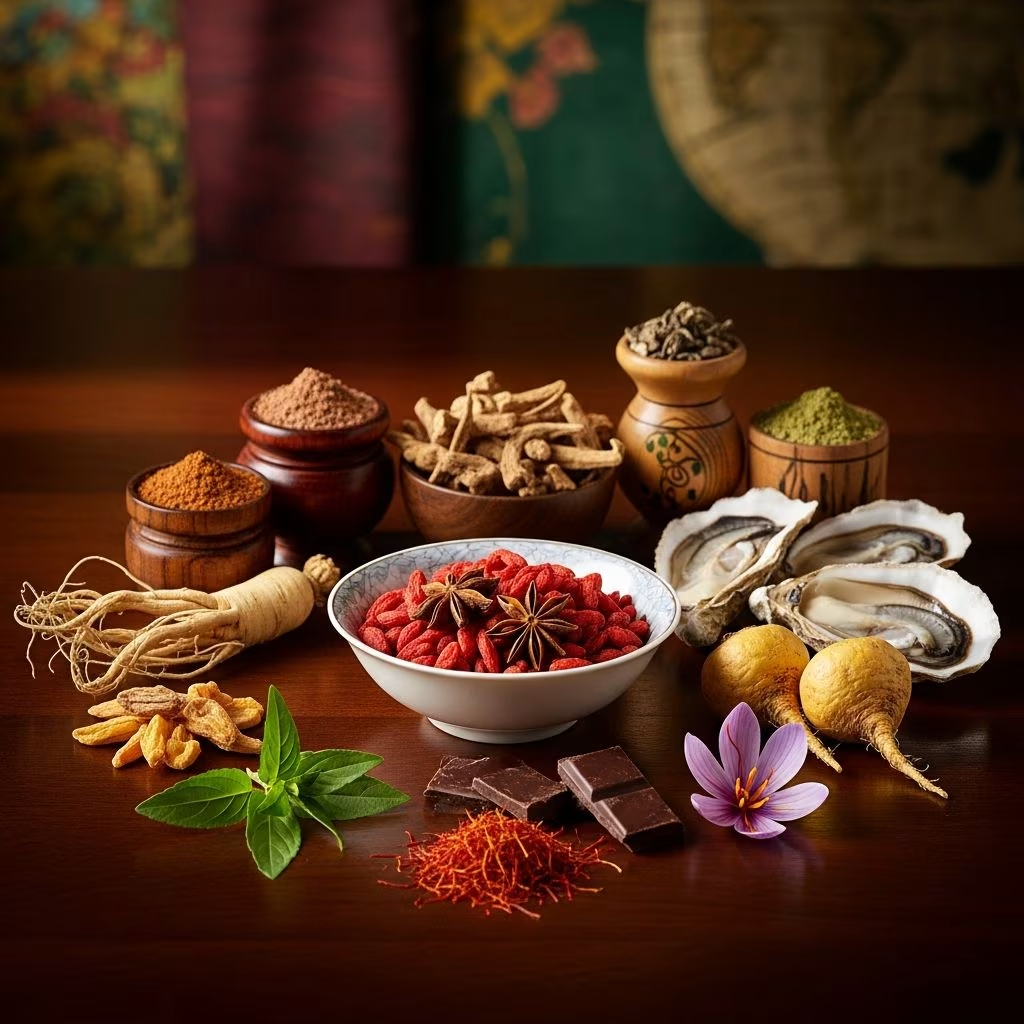 Travel Essentials
Throughout human history, cultures across the globe have sought natural ways to enhance romantic connection and sexual vitality. From the bustling markets of Southeast Asia to the refined dining halls of Europe, societies have identified and celebrated ingredients believed to kindle desire. These substances, known as aphrodisiacs, represent a fascinating intersection of culinary tradition, folklore, and modern science. Whether grounded in biochemical reality or cultural mythology, these exotic offerings continue to captivate those seeking to elevate intimate experiences.
An aphrodisiac refers to any substance—food, herb, or compound—purported to heighten sexual arousal and desire. The term derives from Aphrodite, the ancient Greek goddess of love, reflecting humanity’s long-standing fascination with enhancing romantic passion. What distinguishes genuine aphrodisiacs from mere folklore involves examining both traditional use patterns and contemporary scientific evidence. Some substances work through physiological mechanisms such as increasing blood flow, while others may operate primarily through psychological suggestion or cultural association. The efficacy of many traditional aphrodisiacs remains contested among medical professionals, who often caution against exaggerated claims while acknowledging limited evidence supporting certain botanical remedies.
Among the world’s most coveted aphrodisiacs are substances derived from marine environments, particularly those requiring significant effort or expense to obtain. Ambergris, a waxy substance produced within sperm whale digestive systems, represents one of nature’s most exclusive romantic aids. This material, formed as a protective barrier against indigestible squid beaks, occasionally surfaces in ocean waters where it becomes one of the planet’s most expensive commodities. Historical records indicate that Casanova, the legendary lover, incorporated ambergris into his chocolate preparations. Beyond its luxurious status and distinctive musky aroma—which made it invaluable in perfumery—scientific analysis suggests ambergris may elevate testosterone concentrations. However, its rarity and legal restrictions in certain jurisdictions, including the United States, have made procurement extremely challenging for most consumers.
Bird’s nest soup, particularly prized in Chinese cuisine, represents another oceanic delicacy attributed with romantic properties. Constructed from the saliva of specific swiftlet species, these nests command extraordinary prices and remain symbols of prestige and refinement. Traditional medicine practitioners have long recommended this preparation for enhancing vitality and sexual performance, though scientific substantiation remains limited.
The plant kingdom offers a remarkable diversity of substances traditionally employed to enhance sexual desire. Maca root, native to Peru’s Andean highlands, exemplifies a botanical remedy with emerging scientific support. This perennial crop has been utilized in traditional Peruvian medicine for centuries, with contemporary small-scale clinical trials demonstrating measurable improvements in sperm production and sexual drive among healthy males. Despite these promising findings, medical professionals maintain measured skepticism regarding certain promotional claims, noting that rigorous large-scale studies remain limited.
Epimedium, colloquially termed “horny goat weed” in Western contexts, represents another significant botanical candidate with established historical precedent in traditional Chinese medicine spanning centuries. Practitioners in China, Japan, and Korea have long valued this herb for its purported capacity to elevate testosterone and amplify libido. The active component, icariin, functions through a mechanism analogous to pharmaceutical interventions like sildenafil (Viagra), inhibiting a chemical known as PDE5 that restricts erectile capacity. This compound is commercially available in multiple formats including tablets, capsules, powdered preparations, and tea formulations.
Panax ginseng commands particular reverence in traditional East Asian medicine, with etymological roots reflecting its supposed universal healing properties—the term literally translating to “all-healing” in ancient Greek. Clinical investigations have demonstrated that ginseng consumption may ameliorate erectile dysfunction and diminish sexual dissatisfaction, particularly among men experiencing severe erectile challenges. The herb continues gaining recognition in modern wellness communities, though practitioners emphasize the necessity for sustained consumption and individual variation in responsiveness.
Tribulus terrestris, commonly known as bindii and indigenous to African, North American, and Asian regions, exemplifies how plants sometimes dismissed as agricultural nuisances possess remarkable pharmacological properties. Traditional Ayurvedic and Chinese medicine practitioners have incorporated this botanical for generations. Contemporary research indicates that among women reporting reduced sexual desire, consumption of Tribulus terrestris extract demonstrated substantial improvements in sexual satisfaction, arousal, lubrication quality, and orgasmic intensity.
Certain dishes, while challenging conventional palates, have earned recognition as potent libido enhancers through centuries of cultural tradition. Balut, a Filipino delicacy comprising a fertilized duck or chicken embryo consumed directly from its shell, presents an extreme example of adventurous aphrodisiac consumption. This protein-dense preparation is consumed warm and crunchy, commonly encountered in Filipino street food culture. Filipinos attribute to balut considerable energizing properties and associations with masculine vigor, potentially attributable to its substantial nutrient composition which may enhance physical stamina and sexual endurance.
Durian, the tropical Southeast Asian fruit notorious for its pungent aroma, has earned aphrodisiac status throughout the regions where it flourishes. Despite—or perhaps because of—its overpowering olfactory characteristics, this fruit has achieved near-legendary status among those seeking natural desire enhancement.
Fugu, the Japanese pufferfish delicacy, represents one of the world’s most dangerous culinary experiences. While consuming fugu can produce euphoric sensations associated with romantic arousal, the risks prove severe: fugu toxicity rivals cyanide in potency, creating substantial health hazards for diners. Only extensively trained chefs licensed through rigorous certification processes prepare this preparation, yet incidents of fatal poisoning continue occurring.
White asparagus has achieved near-reverential status among German culinary traditions, where its aphrodisiac reputation transcends mere folklore to approach cultural obsession. Beyond its distinctive elegant appearance and delicate, subtly sweet flavor profile, this pale vegetable possesses particular nutritional characteristics. The vegetable promotes histamine production within the body, which scientific literature suggests may facilitate and intensify orgasmic response. Seasonality presents a significant constraint for enthusiasts: white asparagus availability remains restricted to a narrow window spanning late April through mid-June, making it a prized seasonal indulgence rather than year-round staple.
Kola nuts, derived from West African Cola acuminata and Cola nitida trees, represent another example of regional specialties achieving broader recognition as aphrodisiacs. Rich in caffeine content and historically utilized in soft drink formulation, these nuts function primarily through stimulatory mechanisms. Their three principal active constituents—caffeine, kolanin, and theobromine—operate as powerful stimulants, elevating blood circulation, energy levels, and emotional excitement. Jamaican traditions particularly emphasize kola nuts’ aphrodisiac properties, incorporating them prominently into cultural practices surrounding romantic attraction.
Beyond fresh or minimally processed ingredients, certain refined products have accumulated aphrodisiac associations through historical tradition and cultural significance. Chocolate represents perhaps the most universally recognized aphrodisiac among Western populations, containing compounds capable of elevating mood while providing caffeine-like energetic stimulation. However, the quantities required to achieve meaningful physiological effects exceed amounts most individuals typically consume in single sittings, suggesting psychological and cultural dimensions predominate in chocolate’s romantic reputation.
Manuka honey, particularly sourced from New Zealand where production remains geographically concentrated, offers another specialized substance attributed with romantic properties. This distinctive honey variety contains elevated enzyme concentrations that generate natural hydrogen peroxide, providing antimicrobial advantages alongside potential sexual wellness applications.
| Substance | Geographic Origin | Primary Mechanism | Accessibility | Scientific Evidence |
|---|---|---|---|---|
| Maca Root | Peru (Andes) | Hormone regulation | High (supplements available) | Moderate (small trials supportive) |
| Epimedium | China, Japan, Korea | PDE5 inhibition | High (multiple formats) | Moderate (traditional use documented) |
| Panax Ginseng | East Asia | Blood flow enhancement | High (widely available) | Moderate (clinical studies positive) |
| Tribulus Terrestris | Africa, Asia, Americas | Sexual satisfaction enhancement | Moderate (supplement form) | Moderate (women-focused studies) |
| Ambergris | Ocean-derived (sperm whale) | Testosterone elevation | Very Low (rare, restricted) | Limited scientific confirmation |
| White Asparagus | Europe (Germany emphasized) | Histamine production | Seasonal (late April-mid June) | Limited (cultural tradition primary) |
| Balut | Philippines | Nutritional density/stamina | Regional (specialty markets) | Minimal (cultural attribution) |
| Fugu | Japan | Euphoric sensation | Very Low (dangerous) | Toxicological concerns documented |
While exploring global aphrodisiacs offers cultural and culinary interest, several substances warrant serious health warnings. Yohimbe, extracted from African tree bark and employed traditionally as an aphrodisiac, carries documented associations with cardiac incidents and seizures. Consumers should exercise particular caution and consult medical professionals before utilizing this substance. Similarly, certain exotic aphrodisiacs including Casu Marzu—a Sardinian cheese containing living larvae—present obvious food safety hazards regardless of romantic properties.
Evidence remains mixed and complex. Some substances like certain ginseng preparations demonstrate modest improvements in specific sexual function measures within clinical research contexts. However, many traditional aphrodisiacs’ effectiveness may derive partly from cultural expectation, psychological anticipation, and the ritualistic elements surrounding their consumption rather than purely physiological mechanisms.
Culinary items like chocolate, honey, and asparagus integrate safely into normal dietary patterns. Herbal supplements including maca and epimedium have relatively modest documented adverse effects in typical consumption quantities, though individuals should verify absence of medication interactions.
Price does not correlate reliably with efficacy. Ambergris and bird’s nest represent expensive options, yet scientific evidence supporting their superior effects remains limited. Conversely, accessible ingredients like chocolate and maca show comparable or superior research substantiation.
Absolutely not. Individuals experiencing erectile dysfunction or other sexual health concerns should consult healthcare professionals rather than relying exclusively on traditional remedies, which may mask underlying health conditions requiring medical intervention.
The intersection between traditional wisdom and contemporary scientific methodology creates fascinating territory for exploring aphrodisiacs. While certain substances demonstrate measurable physiological effects in controlled research settings, others appear primarily effective through psychological and cultural mechanisms. This distinction matters less for culinary adventures than for medical applications, where rigorous evidence becomes essential. The enduring human fascination with enhancing romantic connection through natural substances reflects both our biological imperative toward reproduction and our cultural investment in elevating intimacy beyond mere biological necessity.
As global food cultures continue intersecting and evolving, aphrodisiac traditions adapted from distant regions find new audiences and applications. The exploration of these substances—whether motivated by genuine sexual enhancement desires, culinary curiosity, or cultural appreciation—enriches our understanding of how different societies perceive the relationship between food, desire, and human connection. Moving forward, balanced perspectives acknowledging both traditional knowledge and scientific rigor will likely guide more informed choices regarding which aphrodisiacs merit exploration and which require caution or skepticism.
