

 Travel Essentials
 Travel Essentials

The Apostle Islands ice caves on Lake Superior are reopening after nearly a decade, offering a unique winter adventure. Learn about access, safety tips, and what makes this natural spectacle so rare.
 Travel Essentials
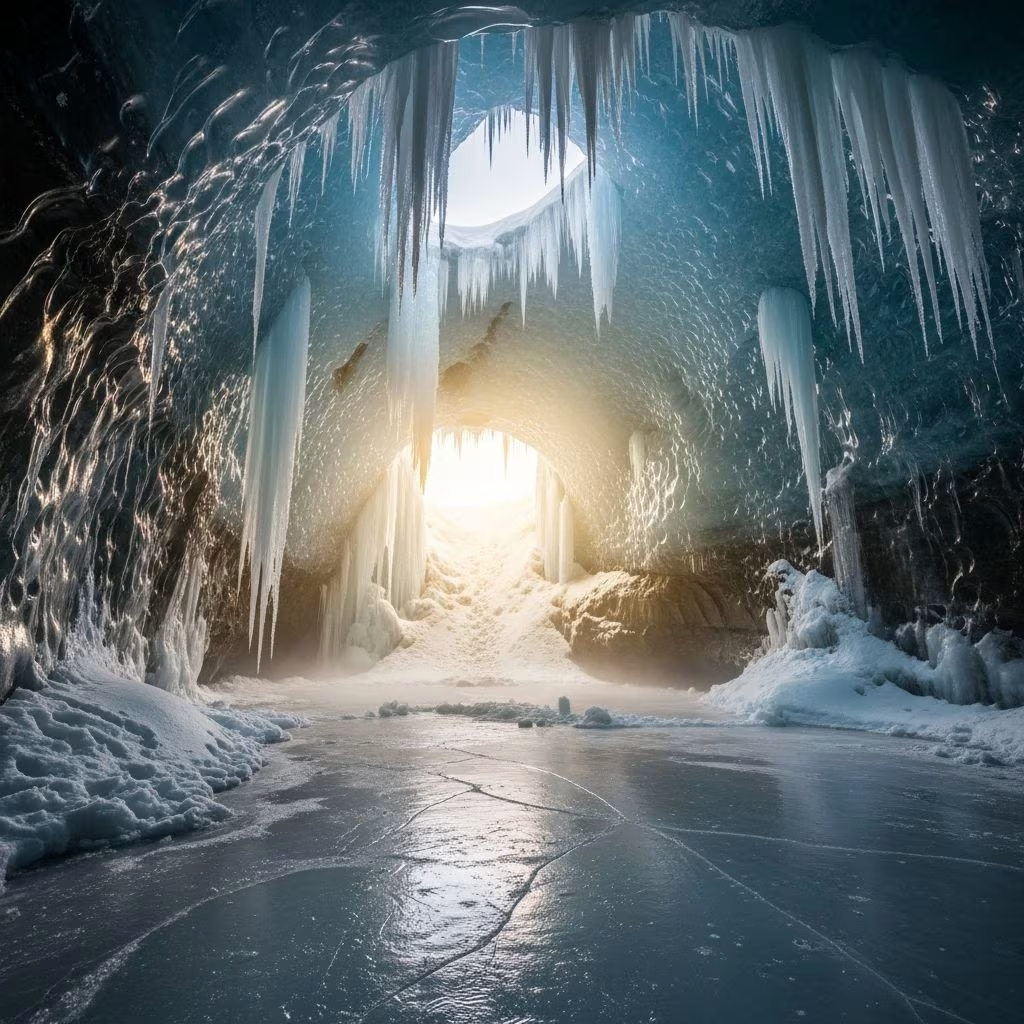
Winter adventurers in the Midwest have a rare opportunity this season as the stunning ice caves along Lake Superior’s Apostle Islands National Lakeshore become accessible once again. These natural formations, hidden beneath layers of frozen lake ice, have not welcomed visitors since 2015 due to insufficient ice coverage and safety concerns. Recent extreme cold snaps have created the ideal conditions for safe exploration, drawing crowds eager to witness this fleeting phenomenon.
The ice caves are not true caves but dramatic icing-over of ancient sea caves carved into sandstone cliffs by the relentless power of Lake Superior over millennia. Located primarily along the mainland’s south shore within the Apostle Islands National Lakeshore in southern Wisconsin, these formations emerge only when sub-zero temperatures persist without strong winds, allowing thick ice shelves to bridge the gap between shore and cliffs.
Geological processes have sculpted these cavities into the soft red sandstone, creating arches, grottos, and overhangs that transform into ethereal blue ice cathedrals during harsh winters. Waves crashing against the cliffs erode the rock year-round, but winter’s freeze encases them in translucent ice, revealing inner chambers aglow with refracted light. This rare display requires Lake Superior to freeze at least 90%—far above its typical 60% annual average—to support safe foot travel across the lake ice.
From 2000 to 2023, the mainland ice caves were open for public access on just 2% of days, underscoring their scarcity. The last openings in 2014 and 2015 saw peak ice coverage near 95%, attracting over 120,000 visitors to the Bayfield Peninsula area in mere weeks before closures for safety. Recent announcements confirm the caves will reopen on February 16 for the first time in a decade, contingent on stable conditions.
This event coincides with weeks of below-zero temperatures, mimicking the perfect storm of cold and calm needed for thick, walkable ice. Officials emphasize that conditions can shift rapidly, so the window may last days or weeks, much like past seasons when access ended abruptly.
| Year | Ice Coverage Peak | Days Open | Visitors |
|---|---|---|---|
| 2014-2015 | 95% | ~60 days | 120,000+ |
| 2000-2023 Avg | 60% | 2% of days | N/A |
| 2025 Reopen | 90%+ | TBD | Expected high |
Reaching the ice caves demands a serious 2- to 6-mile round-trip hike over uneven lake ice, with no facilities, cell service, or shelter along the way. The journey starts from Meyers Beach in the Apostle Islands National Lakeshore, where shuttle services operate every 25 minutes for a $5 per-person fee, easing the initial snowy approach.
Once on the ice, hikers face vast expanses of frozen lake, potential snowdrifts, and pressure ridges where ice shifts create hazardous cracks. The path leads to the cliff bases, where visitors can peer into frozen grottos up to 50 feet high. Photography opportunities abound, but never venture beneath overhanging ice, which can calve without warning.
The National Park Service stresses preparation, as hypothermia, frostbite, and ice breaks pose real risks. Extreme cold below zero demands specialized equipment, and rangers advise checking conditions daily via official channels.
Pro tip: Test ice thickness (aim for 4+ inches clear blue); avoid white or black-spotted areas signaling weakness. Rangers patrol but cannot rescue everyone in whiteouts.
Optimal viewing occurs mid-morning when sun illuminates interiors without midday melt risk. Aim for calm, clear days post-cold snap; high winds shatter ice shelves. The season typically spans late January to mid-March, but 2025’s late start reflects delayed freeze-up.
Monitor Apostle Islands National Lakeshore updates for openings, as closures happen fast. Weekdays beat weekends for fewer crowds and safer ice.
These caves highlight Lake Superior’s vulnerability to climate shifts, with fewer freeze events projected ahead. Visitors must tread lightly—no littering, touching formations, or off-trail wandering to protect fragile ice and cliffs. The National Park Service limits daily numbers if needed, prioritizing sustainability.
Base in Bayfield, Wisconsin, 30 minutes from Meyers Beach, with cozy inns offering cave packages including shuttles and gear rentals. Book early; past peaks overwhelmed hotels. Drive from Duluth (2 hours) or fly into Ashland airport.
Past explorers describe otherworldly silence broken by creaking ice, rainbows in frozen arches, and humbling scale. One 2015 visitor noted, “It’s like stepping into a fairy-tale freezer—blue ice everywhere, no one else for miles.” Prepare for physical challenge but reward of a lifetime.
A $5 shuttle fee applies; lakeshore entry is free with America the Beautiful pass.
2-6 miles round-trip on ice, 3-6 hours depending on pace and exploration.
Rangers announce closures; turn back if ice groans or cracks appear.
Children 12+ recommended; no pets on ice for safety.
Yes, but drones prohibited; respect no-touch rules.
The Apostle Islands ice caves offer a profound connection to nature’s raw power. With openings so rare, seize this chance for an unforgettable Midwest winter quest. Check NPS sites daily and gear up responsibly.
