

 Travel Essentials
 Travel Essentials

The Apostle Islands ice caves near Meyers Beach are open after 10+ years, offering a unique chance to explore stunning frozen formations on Lake Superior. Learn about access, safety, and rarity.
 Travel Essentials
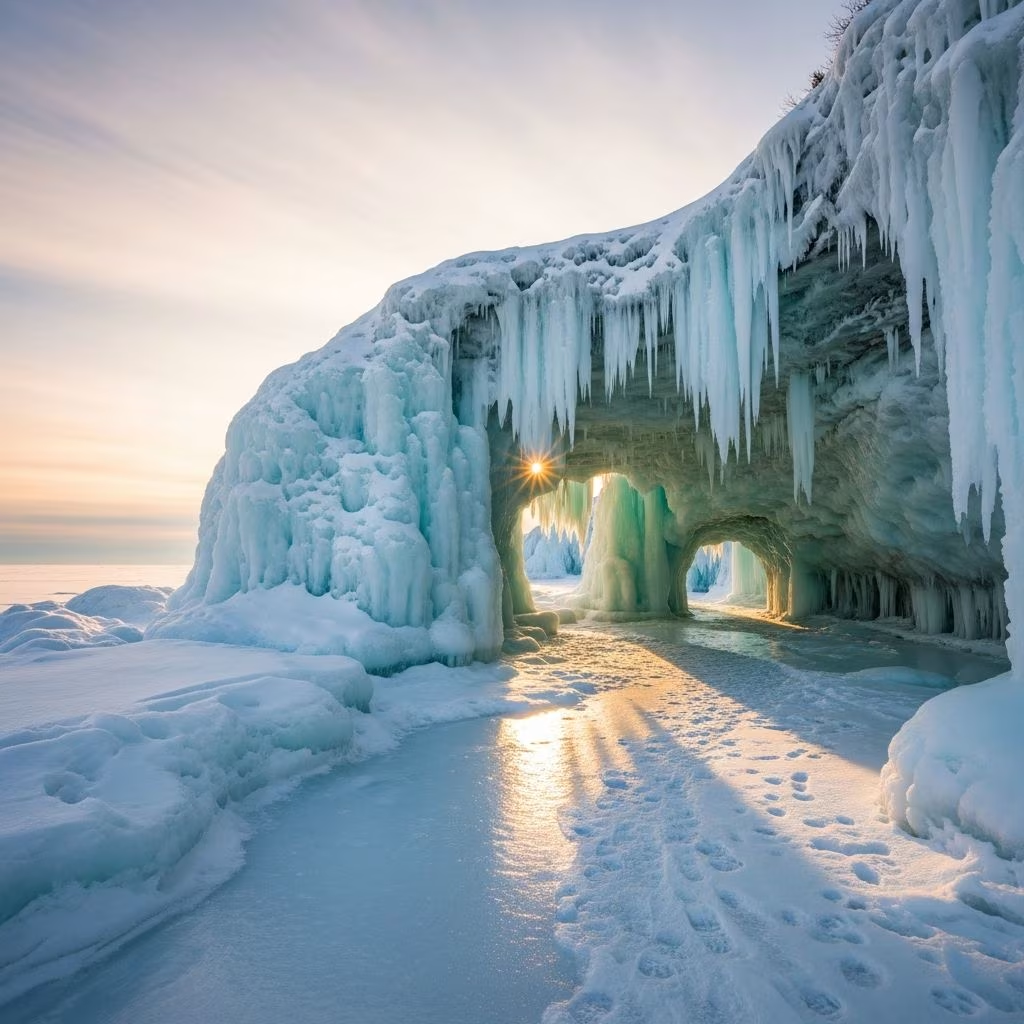
The Apostle Islands ice caves along Lake Superior’s shoreline have reopened to visitors for the first time since 2015, drawing adventurers to this rare natural spectacle in northern Wisconsin. These frozen formations, carved into sandstone cliffs and encased in thick ice, create an otherworldly landscape accessible only during exceptional winters.
At the heart of this phenomenon are sea caves formed over millennia by the relentless action of Lake Superior’s waves eroding the soft sandstone cliffs. Primarily located on Devils Island, Sand Island’s Swallow Point, and the mainland near Meyers Beach within the Apostle Islands National Lakeshore, these caves transform dramatically in winter. When frigid temperatures prevail, lake spray freezes layer upon layer, building massive ice walls, columns, and chambers that shimmer in hues of blue and white.
This process requires precise environmental conditions: sustained sub-zero temperatures that allow ice to accumulate without interruption. The result is a subterranean world of translucent ice sculptures, some towering dozens of feet high, where visitors can walk through arched entrances and peer into frozen grottos. Unlike typical rock caves, these are ephemeral, melting away each spring, making each viewing a unique experience.
Public access to these ice caves demands a perfect storm of factors, which has occurred only sporadically. From 2000 to 2023, the mainland ice caves at Meyers Beach were open for just 2% of all days, clustered in outlier years like 2004, 2008, 2009, and 2014. The last opening lasted a mere nine days in 2015, following record ice coverage exceeding 95%—far above the long-term average maximum of 60% since 1973.
Safe traversal requires a stable ice shelf bridging the 1.5 to 3 miles from Meyers Beach parking to the caves. Wind, waves, or warm spells can shatter this bridge rapidly, even after initial formation. The northeastern exposure to open lake waters exacerbates instability, as swells from the largest Great Lake prevent consistent land-ice connections. Recent winters have failed to produce such extremes, with diminishing ice seasons linked to broader climate patterns shortening the window for safe visits.
| Year | Ice Coverage Peak | Caves Accessible? | Duration |
|---|---|---|---|
| 2015 | >95% | Yes | 9 days |
| 2014 | >95% | Yes | ~2 months |
| 2009 | >90% | Yes | Limited |
| Avg. Annual Max | 60% | No | N/A |
This table highlights the correlation between high ice coverage and access, underscoring the caves’ rarity.
The 2026 reopening marks the first since 2015, triggered by a prolonged cold snap mirroring conditions from a decade ago. The National Park Service (NPS) monitors ice thickness, stability, and weather forecasts meticulously before permitting entry. Once open, access continues daily until deterioration forces closure, but visitors should anticipate challenging walks due to variable ice quality.
In 2015, over 120,000 people flocked to the Bayfield Peninsula, overwhelming trails and prompting early shutdowns. Expect similar crowds now; early mornings offer the best solitude and photography light. The NPS emphasizes that conditions evolve rapidly—no fixed closing date exists, so check updates via official channels.
Preparation is non-negotiable. Layer with wool or synthetics, avoiding cotton, and wear insulated, waterproof boots with aggressive treads. Bring microspikes or crampons for traction, trekking poles for balance, and a thermos of hot liquids. Essential gear includes a fully charged phone with offline maps, emergency whistle, and high-energy snacks. Travel in groups of 4+ for safety.
Lake Superior’s ice is unpredictable; even ‘stable’ shelves can crack underfoot. Key risks include thin ice near shorelines, pressure ridges from shifting plates, and open water leads. The NPS mandates staying on marked trails, prohibiting solo travel or venturing beyond designated caves.
Recognize danger signs: slushy surfaces, recent cracks, or water pooling. If ice breaks, spread-eagle to distribute weight and crawl back slowly. Hypothermia sets in fast in sub-zero winds—know the symptoms: shivering, confusion, numbness. Rescue is challenging; cell service is spotty, so carry a personal locator beacon if possible.
Historical data shows most incidents stem from inadequate gear or ignoring advisories. In 2015, rangers rescued several ill-prepared hikers. Heed all closures and turn back if conditions worsen.
Climate trends complicate predictions. Lake Superior’s ice season has shortened, with peak coverage declining. Warmer averages reduce extreme cold spells needed for thick, stable ice. Yet, variability persists—2026’s anomaly proves outliers remain possible.
Conservation efforts focus on minimizing impact: pack out waste, stick to paths to protect fragile ice edges, and avoid touching formations to prevent premature melting. The NPS studies ice dynamics to refine access models, balancing wonder with preservation.
Base in Bayfield or Cornucopia for proximity. Charming inns offer ice cave packages with shuttles and gear rentals. Beyond caves, explore the Apostle Islands’ 21 isles by kayak (summer) or snowshoe nearby trails. Savor Lake Superior whitefish at waterfront eateries or sip wines from local vineyards.
Winter festivals, ice fishing derbies, and aurora viewing enhance stays. Book early—2015 demand spiked lodging rates 300%.
These caves beg for cameras. Early light pierces ice for ethereal glows; wide-angle lenses capture scale. Use tripods on ice, protect gear from cold, and shoot RAW for post-editing blues. Drones are banned to protect wildlife and safety.
Check NPS.gov for real-time status; openings are weather-dependent and short-lived.
Expect uneven, slippery ice; fitness level moderate-high required. Not suitable for young children or mobility-impaired.
Join guided tours from Bayfield outfitters for expertise and insurance.
No—summer access is by kayak only, viewing exteriors without entering frozen interiors.
Apostle Islands entry is free; parking at Meyers Beach may have a small fee.
These ice caves symbolize nature’s fragility and power. As access grows rarer, each visit underscores the need for stewardship. Plan responsibly, respect limits, and cherish the fleeting beauty of Lake Superior’s winter masterpiece.
