

 Travel Essentials
 Travel Essentials

Explore Apostle Islands National Lakeshore: 21 islands, historic lighthouses, sea caves, kayaking, camping, and Lake Superior beauty in Bayfield, Wisconsin.
 Travel Essentials
The Apostle Islands National Lakeshore stands as a breathtaking expanse of natural splendor on the northern edge of Wisconsin, where Lake Superior’s vast waters embrace 21 wooded islands and 12 miles of rugged mainland shoreline. Spanning 69,540 acres, this protected area captivates with its dramatic sandstone sea caves, historic lighthouses, pristine beaches, and diverse wildlife habitats.
Congress established the Apostle Islands National Lakeshore in 1970 through Public Law 91-424, signed by President Richard M. Nixon on September 26. U.S. Senator Gaylord Nelson, a Wisconsin native and environmental pioneer, championed the legislation. Nelson’s efforts also contributed to the National Trails System, the Wilderness Act, and the first Earth Day celebration.
The area holds deep cultural significance as part of the ancestral homeland of the Ojibwe people, who refer to Lake Superior as “Gitchigumi.” Early European explorers named the islands after the 12 apostles, though there are 22 in total, with 21 forming the lakeshore. Madeline Island, the largest and home to the town of La Pointe, remains outside the park boundaries but features Big Bay State Park.
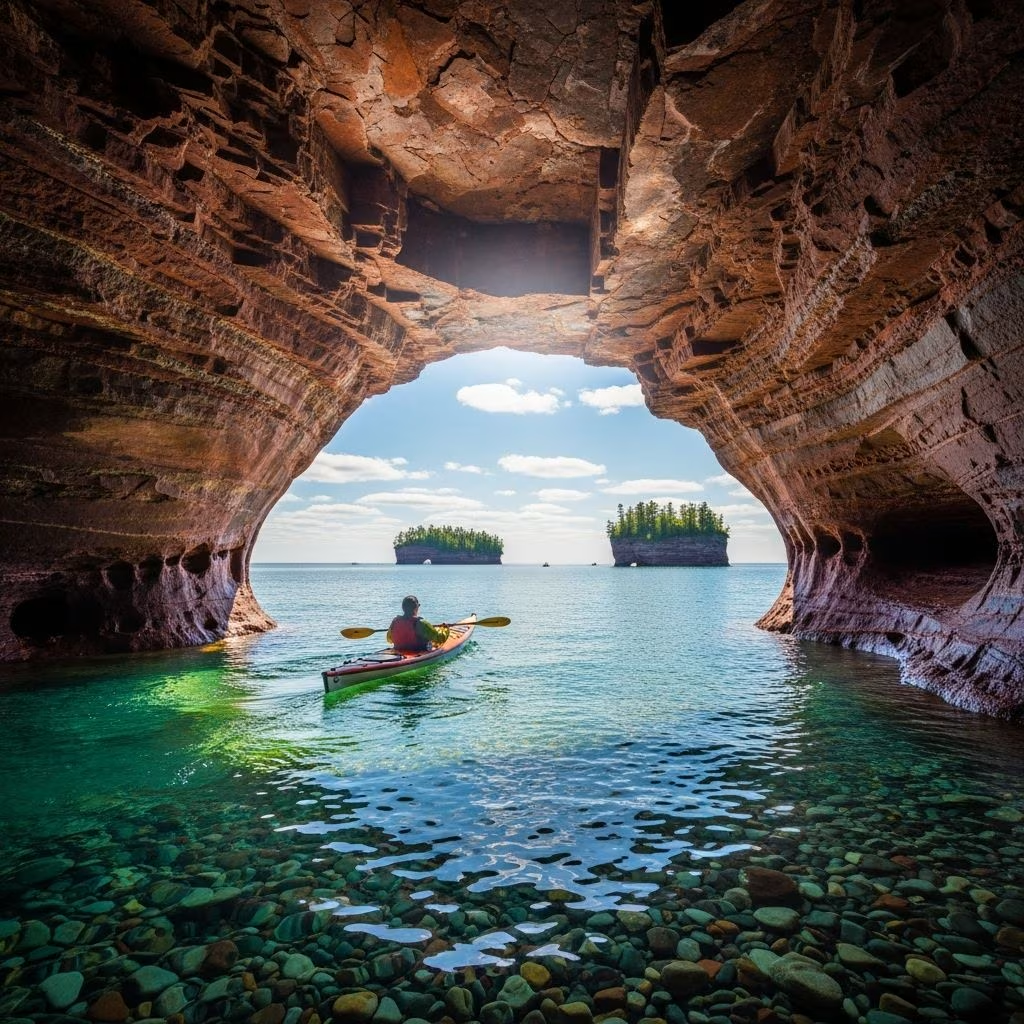
Situated in Bayfield County off the Bayfield Peninsula, the lakeshore includes 42,308 acres of land and 27,232 acres of water, extending a quarter-mile into Lake Superior from 155 miles of shoreline. Towering sandstone cliffs, sea caves sculpted by centuries of wave action and freeze-thaw cycles, old-growth remnant forests, and sandy beaches define the landscape.
The park boasts the largest collection of historic lighthouses in the National Park System, with several offering summer tours. These structures, dating back over a century, guided maritime traffic through the treacherous waters. Natural features like windswept beaches and marine habitats support black bears, otters, and migratory birds.
Year-round pursuits draw adventurers to this wilderness gem. Summer brings ideal conditions for water-based exploration, while winter transforms the landscape into an icy wonderland.
Boat cruises from Bayfield provide panoramic views of the archipelago, narrated by knowledgeable guides highlighting lighthouses and wildlife. Kayaking tours allow paddlers to navigate into sea caves on calm days, island-hopping between Stockton, Oak, and Raspberry Islands.
Fishing charters target lake trout, walleye, and smallmouth bass in the nutrient-rich waters. Sailing enthusiasts appreciate the steady breezes, with private charters available for customized itineraries.
When Lake Superior freezes, an ice road connects to Madeline Island, enabling snowshoeing, cross-country skiing, and ice cave hikes. Spectacular ice formations in the sea caves create ethereal displays, though conditions require caution and guided expertise.
| Season | Top Activities | Access Methods |
|---|---|---|
| Summer | Kayaking, boat tours, lighthouse visits, camping | Cruises, ferries, private boats, shuttles |
| Winter | Ice cave hiking, snowshoeing, skiing | Ice road, guided tours |
| Spring/Fall | Hiking, birdwatching, fishing | Mainland trails, charters |
Nineteen islands permit camping at 66 designated sites, reachable by boat shuttles to Oak and Stockton Islands. Mainland trails wind through forests, past historic fishing camps, offering solitude amid towering cedars and hemlocks. The largest wilderness area in Wisconsin spans 18 islands, prohibiting motorized vehicles to preserve tranquility.
Popular hikes include the 4-mile round-trip to the mainland sea caves, starting with boardwalks before ascending moderate terrain. Permits are required for overnight stays, emphasizing Leave No Trace principles.
Bayfield serves as the gateway, hosting the park headquarters and visitor center. Summer swells the town’s population with ferry departures and outfitters. Advance reservations are essential for campsites, tours, and kayaks.
The lakeshore teems with black bears foraging on beaches, river otters along shores, and bald eagles soaring overhead. Old-growth forests shelter rare plants, while aquatic ecosystems support fish populations vital to the food web.
Friends of the Apostle Islands National Lakeshore nonprofit supports preservation, funding trail maintenance and education. The park’s wilderness designation safeguards biodiversity against invasive species and climate impacts.
Explore eight lighthouses, including Devils Island (the most remote), Outer Island, and La Pointe. Tours via Apostle Islands Cruise Service reveal tales of keepers enduring isolation. These icons symbolize maritime history in a region shaped by Ojibwe heritage and European settlement.
No, Madeline Island is privately owned with commercial development in La Pointe but accessible by ferry or ice road. A portion is Big Bay State Park.
Guided tours recommended for safety; solo paddling requires experience, permits, and calm conditions.
Summer for water activities; winter for ice caves. Shoulder seasons offer fewer crowds and fall colors.
Pets permitted on leashes in designated areas; not in buildings or certain campsites.
Reserve through Apostle Islands Cruise Service or park shuttles; check NPS website for schedules.
This lakeshore blends raw wilderness with accessible adventures, from serene paddles into glowing caves to hikes through ancient forests. Its lighthouses whisper of bygone eras, while Lake Superior’s moods add unpredictability. Whether camping under stars or ice trekking, the Apostle Islands deliver profound connections to nature.
Plan meticulously, respect the environment, and prepare for an unforgettable journey into one of America’s most scenic corners.
