

 Travel Essentials
 Travel Essentials

Explore après-ski traditions, etiquette, fashion, and destination hotspots worldwide. Master the art of relaxation and celebration after hitting the slopes.
 Travel Essentials
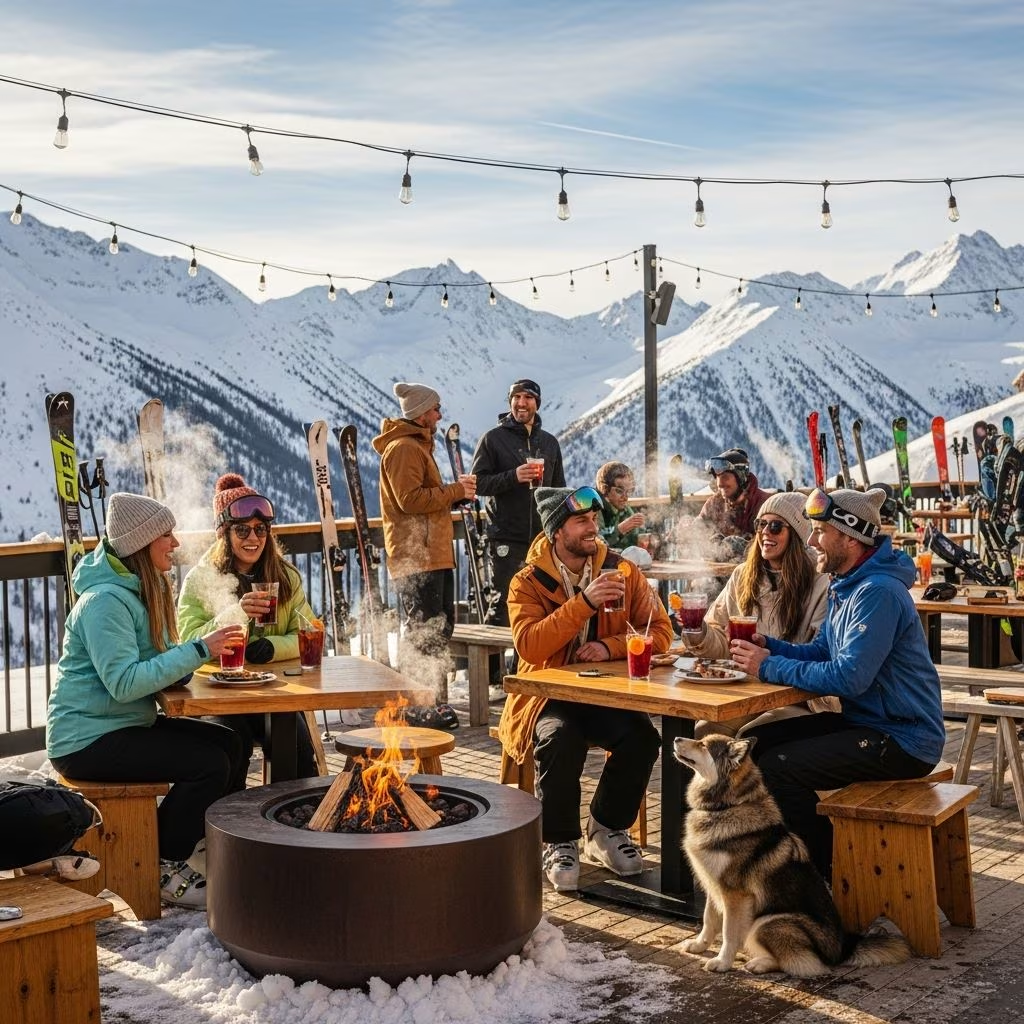
When the last run down the mountain concludes, a different kind of adventure begins. Après-ski represents one of the most anticipated aspects of any winter mountain vacation, yet many visitors remain uncertain about what exactly this tradition entails, how to participate authentically, and where the best experiences happen. Whether you’re a seasoned skier or someone who simply wants to enjoy the vibrant social scene at mountain resorts, understanding après-ski culture transforms your winter vacation into something truly memorable.
Après-ski literally translates to “after ski,” but the experience extends far beyond a simple post-activity drink. Après-ski represents a complete social and cultural phenomenon that encompasses everything from casual afternoon refreshments to elaborate evening celebrations. The tradition has become as integral to the winter mountain experience as skiing itself, creating a unique blend of athleticism, relaxation, and community that defines resort culture across the globe.
The après-ski experience typically unfolds in distinct phases throughout the afternoon and evening. Early après begins around noon to 2 PM when skiers are still in their gear, grabbing casual drinks and light bites while soft background music sets a relaxed tone. As the afternoon progresses into peak après between 2 and 5 PM, energy escalates significantly—DJs take over, patios fill with crowds, and the atmosphere becomes increasingly vibrant. By evening, the celebration often transitions into nightclub scenes or dinner venues, with some European mountain towns known to sustain parties until dawn.
Unlike structured activities with set schedules, après-ski operates on a flexible timeline. Most après-ski events begin in late afternoon, typically around 4 PM, though this varies by location and season. The tradition has no official endpoint—celebrations can continue through dinner, into late-night dancing, or until establishments close. The only universal rule involves skier superstition: never call a run your final one of the day, as legend suggests this invites bad luck.
Après-ski culture varies dramatically depending on geographic location and local traditions. Each mountain region has developed its own distinct flavor, reflecting local customs, attitudes toward celebration, and natural surroundings.
European Alpine Tradition
Austria stands as the epicenter of wild après-ski experiences, particularly in St. Anton. St. Anton’s après scene features legendary establishments like MooserWirt, singalongs, and 3 AM dance parties fueled by oversized beers and Jägermeister shots. The town has cultivated a reputation for unapologetic celebration, where oompah music, traditional clothing, and infectious energy create an unmistakably Alpine atmosphere. Other European powerhouses like Ischgl (Austria), Val d’Isère (France), and Verbier (Switzerland) maintain similarly spirited reputations for rowdy après-ski scenes.
North American Sophistication
North American resorts, particularly Aspen, Colorado, have been recognized by Condé Nast Traveler as offering the best après-ski scene in North America. The American approach tends toward either laid-back informality in casual mountain towns or high-end sophistication in upscale destinations. Canadian resorts maintain a distinctly Canadian aesthetic—beer-fueled, laid-back, and refreshingly unfussy. The approach emphasizes comfort and genuine connection over pretension.
Southern Hemisphere Innovation
New Zealand’s après-ski culture reflects Southern Hemisphere patterns, with prime skiing occurring from late June through mid-October. After spending time at accessible ski fields like the Remarkables or Coronet Peak, visitors transition to Queenstown for proper after-parties. Some resorts offer creative approaches, such as Coronet Peak’s Wednesday and Friday night skiing from 4 to 9 PM, allowing skiers to extend their day and transition seamlessly to après activities.
While après-ski fashion varies by destination and venue type, certain fundamental principles apply universally. The primary goals are remaining warm, comfortable, and achieving effortless style.
The most practical approach involves maintaining your skiing attire while making strategic substitutions. Rather than heading home to change completely, experienced mountain-goers swap ski boots for waterproof winter boots suitable for walking, add a beanie to conceal helmet hair, and layer with fleece or puffer jackets as needed. This approach keeps you warm while appearing ready for après activities rather than exhausted from active skiing.
Destination-Specific Style Considerations
| Destination Type | Dress Approach | Formality Level |
|---|---|---|
| Casual Mountain Towns (California, Vermont) | Well-worn fleece, minimal accessories | Low |
| Upscale Resorts (Aspen, St. Moritz) | Coordinated outfits, designer pieces | High |
| European Alpine Villages | Traditional elements, statement pieces | Medium-High |
| Canadian Resorts | Practical layering, authentic gear | Low-Medium |
At certain upscale ski resorts, some visitors intentionally dress to be noticed during après-ski, incorporating designer pieces and fashionable accessories. However, this remains optional rather than required—the après-ski atmosphere welcomes diverse style approaches.
Specific boot choices warrant attention. Rather than remaining in ski boots, options include Merrell boots, LL Bean boots, or specialized après-ski boots designed for style and warmth. Women can incorporate furry boots for added comfort and visual appeal, though the goal involves appearing authentically mountain-oriented rather than overly fashionable or high-maintenance.
A common misconception suggests you must be an active skier to access après-ski venues. This assumption is largely incorrect. At most major resorts, après-ski spots are accessible to everyone via foot traffic and gondola rides. Only specialized locations like on-piste clifftop bars require skiing ability to access.
Major resorts typically feature multiple venue options at varying elevations. Aspen Snowmass, for example, offers mid-mountain locations like The Cabin, providing high-end on-mountain dining with exceptional wine lists in rustic-yet-elegant settings. Venues at higher elevations often provide scenic gondola experiences—Elk Camp, Eleven212, and Sundeck offer both après-ski scenes and dramatic mountain vistas accessible via scenic gondola rides. Some venues offer free gondola rides during après events, while others require separate sightseeing tickets.
Beyond physical appearance and venue selection, successful après-ski participation involves specific social strategies that transform casual visits into memorable experiences.
Bartender Relationships
Tipping early and enthusiastically while remembering bartenders’ names creates immediate rapport. This investment in relationships yields immediate returns—bartenders remember regular faces, provide superior service, and often offer recommendations for other venues or hidden gems within the resort. You’ll transition from anonymous tourist to valued member of the après-ski community.
Positioning and Observation
Strategic location selection matters significantly. Securing a prime bar stool near windows allows you to observe descending skiers during the day’s final runs. This positioning facilitates conversations and creates natural entertainment while waiting for friends or enjoying your beverages.
Timing Optimization
Understanding how après-ski phases unfold throughout the day helps you time your visit appropriately. Early afternoon suits quieter conversations and lighter meals, while peak hours from 2 to 5 PM deliver maximum energy and social activity. Evening transitions offer different atmospheres—some venues shift toward dinner service, while others escalate into nightclub mode.
Après-ski culture embraces specific beverage traditions that define the experience. Classic après drinks include craft cocktails, hot toddies, mulled wine, local beers, and spiked hot chocolate. These selections reflect both the mountain climate and social atmosphere—warm beverages provide comfort while alcohol fuels celebration and connection.
Food pairings typically emphasize shareable plates and substantial comfort fare. Rather than formal dining, après-ski dining favors casual, communal eating that encourages sharing and conversation. Many venues specialize in traditional Alpine cuisine, regional specialties, or hearty dishes designed to complement beverages and sustain extended celebrations.
St. Anton, Austria remains legendarily wild, attracting international crowds seeking authentic Alpine celebration. The town’s commitment to après-ski entertainment, combined with excellent skiing and distinctive cultural traditions, creates incomparable experiences.
Aspen, Colorado offers North America’s most renowned après-ski scene, balancing sophistication with genuine hospitality. The town provides diverse venue options accommodating various social preferences and formality levels.
Whistler, British Columbia and Mont-Tremblant, Québec deliver distinctly Canadian après-ski experiences, emphasizing relaxed atmospheres and genuine community connection.
Queenstown, New Zealand transforms into a premier après destination during Southern Hemisphere winter, offering unique combinations of adventure sports culture and sophisticated nightlife.
Prime Seasons
Northern Hemisphere skiing peaks from late November through April. Planning après-ski trips during this window ensures maximum venue activity, festive atmosphere, and social energy. Southern Hemisphere opportunities occur from late June through mid-October.
Pre-Trip Preparation
Research specific resorts’ après-ski reputations, establish appropriate expectations based on your social preferences, and pack clothing that supports your strategy. Bring versatile pieces that work both on slopes and in après venues. Comfortable non-skiing boots deserve priority packing status.
Realistic Expectations
Après-ski ranges from quiet afternoon drinks to all-night celebrations. Select experiences matching your energy level, social comfort, and vacation goals. There’s no single “right” way to après—authentic participation involves enjoying the experience in whatever form appeals to you.
Après-ski represents far more than alcohol consumption or social obligation. It embodies a mountain culture celebrating community, relaxation, and connection after physical exertion. Whether you participate through quiet afternoon drinks, energetic evening celebrations, or anything between, après-ski welcomes all who approach with authentic enthusiasm.
Understanding après-ski traditions—from fashion norms and venue logistics to beverage selections and regional variations—transforms casual visits into confident, memorable participation. The culture’s beauty lies in its flexibility and inclusivity, accommodating diverse preferences while maintaining genuine Alpine spirit.
Your next winter mountain vacation offers opportunities to embrace this beloved tradition. Whether you’re in Austria’s festive Alpine villages, Aspen’s sophisticated resorts, Canadian laid-back mountain towns, or New Zealand’s Southern Hemisphere slopes, après-ski awaits with warm beverages, welcoming communities, and the perfect excuse to extend your day beyond the slopes.
