
 Stays
StaysStays
Architectural Hotels: Where Luxury Meets Design
Explore exceptional hotels that showcase visionary architecture and award-winning design, from historic conversions to contemporary masterpieces.
 Stays
StaysThe modern luxury hotel transcends its fundamental purpose of providing accommodation. Today’s most celebrated hospitality venues function as immersive environments where architectural vision, interior innovation, and guest experience converge into unified artistic statements. These establishments demonstrate that thoughtful design considerations extend far beyond aesthetic appeal—they create emotional resonance, sustainability practices, and spaces that inspire contemplation and wonder in their guests.
The Evolution of Hotel Design Philosophy
Contemporary hospitality architecture represents a departure from conventional design approaches. Rather than serving as mere containers for guest services, today’s most distinctive hotels embody the philosophy that architecture itself becomes the primary attraction. This shift reflects changing traveler expectations, particularly among audiences seeking authentic cultural experiences and spaces that challenge conventional notions of luxury.
The transformation began decades ago when pioneering hoteliers recognized that distinctive design could become a competitive advantage. This realization spawned an era where architects received unprecedented creative freedom to reimagine hospitality spaces. The result: buildings that command attention, generate cultural conversation, and establish themselves as destinations worthy of pilgrimage for design enthusiasts worldwide.
Repurposing Historic Structures for Modern Hospitality
Among the most compelling contemporary hotel projects, the conversion of historically significant buildings into luxury accommodations stands out as particularly meaningful. These ventures require exceptional sensitivity to architectural heritage while introducing contemporary comfort standards and technological infrastructure.
Historic conversions demonstrate that architectural preservation and modern hospitality need not exist in opposition. When executed thoughtfully, these projects celebrate past architectural achievements while making them accessible to contemporary audiences. The process involves extensive research, structural analysis, and creative problem-solving to maintain authentic character while meeting current building codes and guest expectations.
- Adaptive reuse advantages: Preserves cultural heritage while reducing environmental impact through existing structural frameworks
- Authentic character: Original architectural details provide uniqueness impossible to replicate in new construction
- Community integration: Revitalized historic sites often become neighborhood anchors and cultural gathering places
- Economic sustainability: Historic tax incentives and heritage designations can support project viability
Contemporary Design Languages in Hospitality
Modern hotel architecture embraces diverse design vocabularies, from minimalist geometry to organic forms inspired by natural environments. Contemporary design excellence often prioritizes experiential qualities—how spaces make guests feel rather than merely how they appear in photographs.
Leading contemporary hotels frequently incorporate sustainable design principles as fundamental architectural strategies rather than supplementary features. Green building certification, renewable energy integration, water conservation systems, and material sourcing practices have become essential components of luxury hospitality design rather than optional environmental considerations.
The relationship between interior and exterior spaces has evolved significantly. Progressive hotel designs often blur traditional boundaries between public and private areas, creating fluid transitions that encourage exploration and social interaction among guests. Landscape architecture receives equal emphasis to building design, with outdoor spaces functioning as integral components of the overall environmental experience.
Geographic Diversity in Architectural Expression
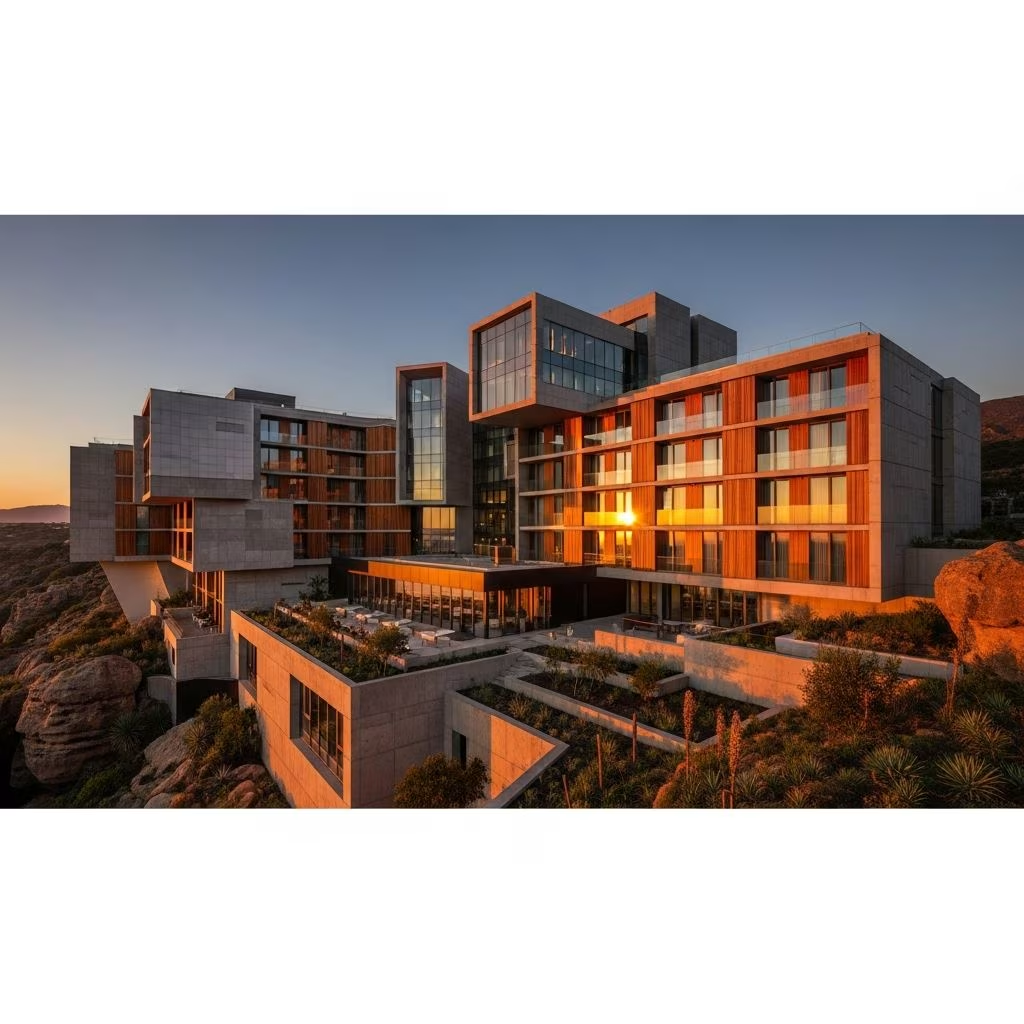
Exceptional hotel design manifests distinctly across different geographic contexts. Properties developed in mountainous regions often demonstrate sensitive integration with topography, while urban hotels frequently engage in dialogue with surrounding architectural fabric. Coastal installations balance structural resilience with visual lightness, creating buildings that appear to hover above dramatic landscapes.
Regional architectural traditions increasingly inform contemporary hotel design rather than being displaced by international modernism. This approach generates properties that feel authentically rooted in their locations while maintaining contemporary relevance. The most successful examples demonstrate deep cultural understanding and respect for local design heritage.
Technological Integration and Guest Experience
Sophisticated hotels seamlessly integrate advanced technology without allowing mechanical systems to dominate architectural expression. Smart building systems, personalized lighting controls, and integrated communication networks operate invisibly, enhancing guest comfort without compromising design purity.
Acoustical design represents a frequently overlooked but essential component of hotel architecture. Careful material selection, spatial planning, and sound isolation techniques ensure that guests experience tranquility despite urban or natural environmental conditions. The relationship between acoustic design and perceived luxury often exceeds that of visual aesthetics alone.
Distinctive Features of Award-Winning Hotel Architecture
| Design Element | Purpose | Guest Impact |
|---|---|---|
| Dramatic Atrium Spaces | Create visual interest and sense of scale | Generates memorable first impressions and wayfinding clarity |
| Integration with Nature | Connects indoor environments with outdoor landscapes | Enhances psychological wellbeing and visual engagement |
| Authentic Material Expression | Celebrates inherent qualities of building materials | Creates tactile richness and sense of authenticity |
| Lighting Design Strategy | Controls ambiance and spatial perception | Influences mood and emotional response to environments |
| Cultural Programming Spaces | Facilitates community engagement and artistic expression | Transforms hotel into cultural destination beyond guest accommodation |
The Economics of Architectural Hotel Development
Investing in distinctive architecture requires significant capital commitment and extended development timelines compared to standardized hospitality construction. However, properties demonstrating architectural excellence consistently command premium pricing, attract international recognition, and generate sustained media coverage that amplifies marketing value.
The relationship between architectural distinction and operational success proves complex. While striking design generates initial interest and critical acclaim, long-term viability depends on how thoughtfully design solutions address practical hospitality requirements. The most successful properties balance artistic vision with operational efficiency, ensuring that visual drama never compromises guest comfort or staff functionality.
Sustainable Architecture as Competitive Advantage
Leading hospitality developments increasingly pursue environmental certification through organizations emphasizing rigorous sustainability standards. These frameworks encourage architects to innovate beyond baseline regulatory compliance, creating properties that demonstrate measurable environmental benefits while maintaining luxury standards.
- Energy-efficient systems reducing operational carbon footprints
- Water reclamation and conservation technologies integrated into design
- Responsibly sourced materials reflecting ethical procurement practices
- Passive design strategies minimizing mechanical system reliance
- Biodiversity initiatives enhancing local ecological systems
Hospitality Design Across Different Scales
Architectural excellence manifests across hospitality properties ranging from intimate boutique establishments to large-scale resort destinations. Boutique hotels often excel at creating highly curated, personalized environments where every design detail reflects deliberate artistic choices. Larger properties face distinct challenges in maintaining design coherence across extensive square footage while serving diverse guest preferences.
The most accomplished large-scale hospitality developments employ hierarchical design strategies that establish clear design themes while allowing variations that prevent monotony across numerous guest rooms and public spaces. This approach requires exceptional restraint and clarity of vision, preventing the accumulation of disconnected design gestures that undermine overall coherence.
Cultural and Artistic Programming
Distinguishing hotels increasingly function as cultural venues, hosting exhibitions, performances, and artistic residencies that extend their significance beyond hospitality infrastructure. This programming approach transforms hotels into neighborhood cultural anchors while enriching guest experiences and supporting artistic communities.
The integration of public art, commissioned installations, and rotating exhibitions requires careful spatial planning during architectural development. The most successful examples embed cultural programming into the fundamental design strategy rather than treating it as supplementary activity.
Frequently Asked Questions About Architectural Hotels
What defines a hotel as architecturally significant?
Architectural significance typically encompasses innovative design solutions, cultural heritage preservation, integration with local context, sustainability leadership, and demonstration of design principles that influence broader architectural discourse. Recognition often involves critical acclaim from architecture publications, industry awards, and sustained interest from design professionals.
Do architecturally distinctive hotels cost more to stay at?
While properties demonstrating exceptional architectural achievement often command premium room rates, the relationship between design investment and guest pricing varies considerably. Some properties leverage architectural acclaim to justify significant rate increases, while others maintain competitive pricing despite substantial design distinction, viewing architecture as a marketing advantage rather than a pricing multiplier.
How do hotels balance design vision with practical operational requirements?
The most successful hospitality projects involve collaborative relationships between architects, hospitality consultants, and operations teams from project conception. This integration ensures that visionary design translates into spaces that function efficiently for both guests and staff while maintaining aesthetic integrity.
Are sustainable design practices compatible with luxury hospitality?
Contemporary luxury increasingly incorporates sustainability as a fundamental value proposition rather than optional environmental consideration. Guests increasingly expect high-performance environmental systems integrated seamlessly into elegant design, viewing sustainability and comfort as complementary rather than conflicting objectives.
How long do architectural hotel projects typically require for development?
Complex hospitality projects often require 3-7 years from initial conception through opening, depending on project scale, design complexity, historic preservation requirements, and regulatory approval processes. Projects involving significant adaptive reuse or environmentally sensitive locations frequently require extended development timelines.
The Future of Hotel Architecture
Emerging trends suggest hospitality architecture will increasingly emphasize flexibility and adaptability, accommodating evolving guest preferences and shifting travel patterns. Climate resilience will become increasingly central to design strategy as environmental conditions change. Architects will likely develop sophisticated approaches to accommodating technological innovation without compromising timeless design principles.
The democratization of architectural information through digital platforms continues influencing guest expectations and design trends. Properties must now appeal simultaneously to local communities, international travelers, design professionals, and social media audiences—a complex requirement demanding sophisticated design thinking.
Hospitality architecture stands at an exciting inflection point where environmental responsibility, cultural authenticity, technological sophistication, and aesthetic excellence can converge. Properties that successfully integrate these considerations will establish themselves as significant cultural institutions while delivering exceptional guest experiences that justify their substantial design investments.
References
- The Best Architecture and Design Hotels in the World — Michelin Guide. 2025. https://guide.michelin.com/us/en/article/travel/best-architecture-design-hotels-michelin-award-2025
- 9 All-Star Architects Pick Their Favorite Hotels — Cultured Magazine. 2025-12-26. https://www.culturedmag.com/article/2025/12/26/architecture-architects-favorite-hotels-travel-guide/
- Top Architecture Designs of Hotels in USA — Russell and Dawson Inc. https://www.rdaep.com/blogs/top-hotel-architecture-designs-usa/
- Design Hotels – 300+ Best Boutique & Luxury Hotels — Design Hotels™. https://www.designhotels.com/hotels/
On This Page
The Evolution of Hotel Design Philosophy Repurposing Historic Structures for Modern Hospitality Contemporary Design Languages in Hospitality Geographic Diversity in Architectural Expression Technological Integration and Guest Experience Distinctive Features of Award-Winning Hotel Architecture The Economics of Architectural Hotel Development Sustainable Architecture as Competitive Advantage Hospitality Design Across Different Scales Cultural and Artistic Programming Frequently Asked Questions About Architectural Hotels The Future of Hotel Architecture← Previous
Best Luxury Safari Camps in Africa for 2026
Next →
Art Hotels: Luxury Stays for Culture Lovers
Related Reading