 Stays
StaysStays
Are Hotel Room Safes Really Secure? What Travelers Need to Know
Learn how to maximize hotel safe security, understand common vulnerabilities, and adopt best practices for safeguarding valuables on the road.
 Stays
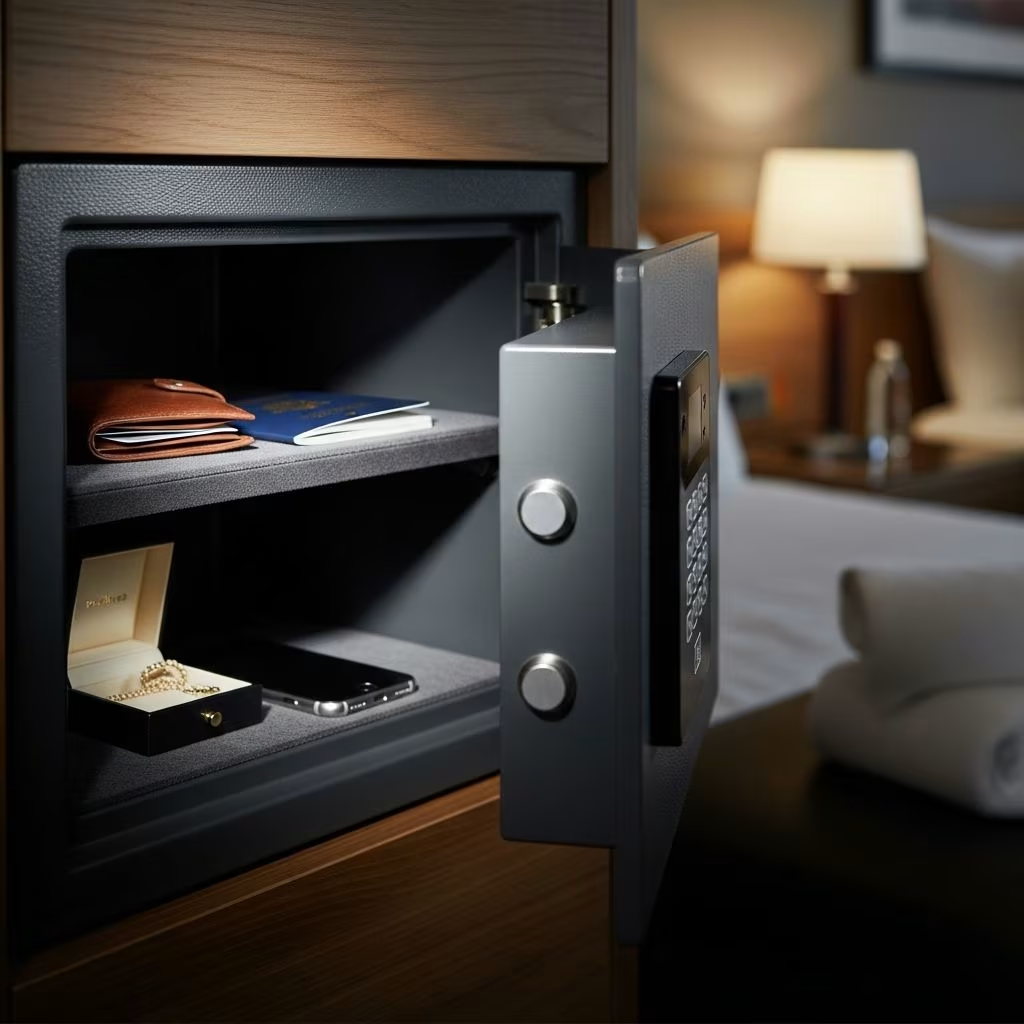
StaysHotel safes provide a convenient way to protect passports, cash, jewelry, and electronics while traveling, but their effectiveness depends on understanding their design, limitations, and proper usage. Modern in-room safes typically feature electronic keypads where guests set personal codes, offering quick access without physical keys. However, vulnerabilities like staff override codes and basic construction mean travelers must layer additional precautions for true security.
Understanding Types of Hotel Room Safes
Hotels deploy various safe models to balance security, convenience, and cost. Recognizing these differences helps guests assess reliability at check-in.
- Electronic Keypad Safes: Dominant in mid-range and luxury properties, these allow 3-8 digit PIN entry with staff override capabilities. They prioritize user simplicity but rely on battery power.
- Mechanical Dial Safes: Common in budget stays, requiring code rotation. Lacking electronics, they resist power failures yet demand precise manipulation.
- RFID and Bluetooth Models: Emerging in upscale hotels, these unlock via room keycards or apps, enabling temporary access sharing. Convenience trades against potential hacking risks.
- Biometric Safes: Rare premium options using fingerprints for access, reducing code-forgetting issues but dependent on sensor accuracy.
- Key-Locked Units: Phasing out, these use physical keys prone to duplication and loss.
Selecting accommodations with advanced safes enhances baseline protection. Inspect the unit upon arrival: test the lock mechanism, verify door solidity, and note any visible damage.
Key Features That Define Secure Hotel Safes
Robust construction separates reliable safes from inadequate ones. Prioritize models with these attributes for optimal safeguarding.
| Feature | Description | Benefits |
|---|---|---|
| Solid Steel Body | Thick (0.25-inch+) steel plating on doors and walls | Resists prying, drilling, and forced entry |
| Digital Keypad | ADA-compliant, programmable codes | Easy guest customization; audit trails for management |
| Override System | Master key or device for emergencies | Balances access for forgotten codes without full compromise |
| Capacity | 17-inch interior for laptops/devices | Fits common valuables like passports, cameras |
| Fire Resistance | Insulated materials tested for heat endurance | Protects against incidental fires |
Advanced units include access logs tracking openings, invaluable for theft disputes. Hotels maintain these via regular inspections, testing locks and batteries routinely.
Common Vulnerabilities in Hotel Safes
Despite conveniences, safes harbor exploitable weaknesses exploited by thieves or even dishonest staff.
- Master Override Codes: Standardized defaults (e.g., 0000 or room number) or staff master keys allow front-desk access, bypassing guest codes.
- Bolt-Down Limitations: Many safes aren’t permanently fixed, enabling removal by opportunists.
- Battery Failure: Dead batteries force reliance on overrides, exposing contents.
- Thin Construction: Budget models succumb to tools like screwdrivers within minutes.
- No Liability: Hotels disclaim responsibility for safe-stored losses, treating them as room items.
Real-world incidents highlight these risks: thieves use insider knowledge of codes, underscoring the need for supplementary measures.
Proven Strategies to Fortify Your Hotel Safe
Enhance safety by combining safe usage with proactive tactics, turning standard units into formidable barriers.
- Use Complex Codes: Opt for non-obvious PINs avoiding birthdays or room numbers. Change upon re-entry to detect tampering.
- Attach External Locks: Secure a heavy-duty padlock to the safe door, thwarting override attempts even by staff.
- Layer Valuables: Store only non-essentials in the safe; carry passports/IDs on secure lanyards, using hotel deposit boxes for high-value items.
- Monitor and Document: Photograph contents before locking; note staff interactions. Enable safe audit if available.
- Integrate Room Defenses: Pair with door jammers, handle alarms, and window locks for comprehensive room security.
For tech-savvy travelers, Bluetooth safes permit remote monitoring via apps, alerting to unauthorized access attempts.
Hotel Security Beyond the In-Room Safe
Safes complement broader property defenses. Reputable hotels employ electronic key cards, CCTV, and intrusion sensors for layered protection.
- Access Controls: Mobile keys and biometric room entry log movements, integrating with central systems.
- Front Desk Protocols: ID verification and encrypted payments reduce fraud risks.
- Physical Barriers: Reinforced doors/windows and staff-monitored lobbies deter break-ins.
Request ground-floor alternatives or safes during booking; inspect rooms immediately, rejecting unsafe setups.
Selecting Hotels with Superior Safe Security
Research properties emphasizing guest safety. Chains like Marriott or Hilton often standardize high-quality safes with features like fireproofing and logs. Review recent guest feedback on platforms for safe reliability mentions.
Budget travelers: Confirm electronic models over key-locks. Luxury stays: Seek biometrics or smart integrations. Always inquire about maintenance schedules.
FAQs on Hotel Safe Security
Are hotel room safes truly secure?
High-end models with steel construction and electronic locks deter most thefts, but vulnerabilities like overrides persist. Layer precautions for best results.
What if I forget my safe code?
Staff uses master overrides or keys. Document your code and consider external locks to limit access.
Can hotels be held liable for safe thefts?
No, safes are considered room amenities; hotels bear no responsibility for contents.
What’s the ideal safe size?
17 inches accommodates laptops and documents—most practical for travelers.
Should I use the safe for everything?
No; reserve for mid-value items. Use body pouches for passports, hotel vaults for jewelry.
Emergency Protocols and Insurance
In theft scenarios, report immediately to management and local police, providing photos/logs. Travel insurance covering valuables offers reimbursement absent hotel liability. Portable safes or money belts serve as backups.
By mastering these techniques, travelers transform hotel safes from mere conveniences into reliable guardians, ensuring worry-free adventures.
References
- Hotel security: the complete guide — Garda. Accessed 2026. https://www.garda.com/articles/hotel-security-the-complete-guide
- How to Secure Your Valuables When the Hotel Room Safe Can’t Be … — Market.com. Accessed 2026. https://www.market.com/tools-home-improvement/safes/guides/hotel-room-safe-security-tips/
- Why Every Guestroom Needs a Hotel Room Safe: Guest Security … — Nathosp.com. Accessed 2026. https://www.nathosp.com/blog/why-every-guestroom-needs-a-hotel-room-safe-guest-security-essentials/
- Guide to the Best Hotel Safes: Ensuring Guest Valuables Stay Secure — Safesandmore.com. Accessed 2026. https://safesandmore.com/blogs/articles/guide-to-the-best-hotel-safes-ensuring-guest-valuables-stay-secure
- Rest Easier with These 7 Hotel Room Safety Tips — AAA Club Alliance. Accessed 2026. https://cluballiance.aaa.com/the-extra-mile/advice/travel/7-hotel-room-safety-tips
- Is Your Hotel Room Safe REALLY Safe to Use? — Travelingbroad.com. Accessed 2026. https://www.travelingbroad.com/is-your-hotel-room-safe-really-safe/
On This Page
Understanding Types of Hotel Room Safes Key Features That Define Secure Hotel Safes Common Vulnerabilities in Hotel Safes Proven Strategies to Fortify Your Hotel Safe Hotel Security Beyond the In-Room Safe Selecting Hotels with Superior Safe Security FAQs on Hotel Safe Security Emergency Protocols and Insurance← Previous
Best Belgian Beer Spots: Breweries, Abbeys and Iconic Pubs
Next →
One Day in Petra: The Ultimate Itinerary and Travel Guide
Related Reading